Tokyo-The Perfect 6-Day Itinerary
Tokyo is a city where ancient traditions meet cutting-edge innovation. From historic temples and peaceful gardens to towering skyscrapers, vibrant shopping districts, and world-famous cuisine, Japan’s capital offers something for every traveller.
Whether you’re exploring the bustling streets of Shibuya, admiring the skyline from Tokyo Skytree, or enjoying fresh sushi at a local market, Tokyo is a destination full of unforgettable experiences and endless discoveries.
The flight felt really long.
We flew nonstop from Montreal (YUL) to Tokyo, so the trip took quite a while.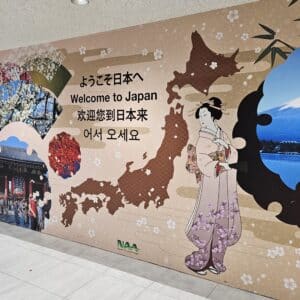
After flying for 13.5 hours, we had a 75-minute train ride to reach our hotel.
When you fly west from Montreal to Tokyo, you cross the Date Line and lose a day. For instance, if you leave Montreal on a Friday evening, you usually get to Tokyo on Sunday morning!
We’re staying at the Nest Hotel Tokyo in Chiyoda City.
The hotel is only a one-minute walk from Hanzomon Station on the Tokyo Metro Hanzomon Line, so it’s really convenient for exploring the city.
Day 1: Chiyoda City Attractions
Because the hotel is in Chiyoda Ward, we are well-positioned to explore:
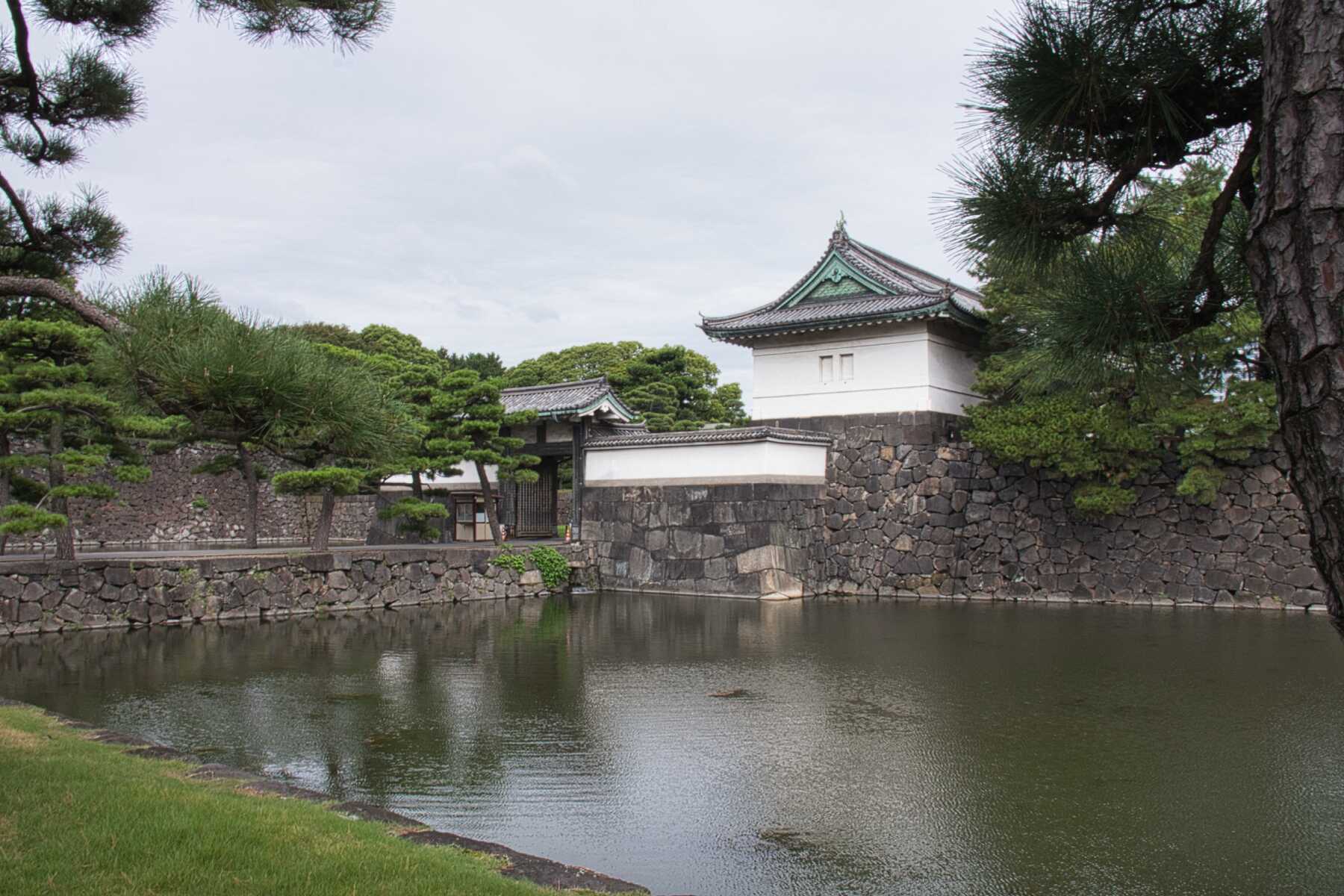
1- Tokyo Imperial Palace – 15-minute walk away.
The main residence of Japan’s emperor has beautiful park-like grounds.
( Tokyo Imperial Palace: We were disappointed to learn that visitors are not allowed inside.)
We were not the only ones there. A whole busload of people was also walking around outside for the same reason.)
2- The East Gardens of the Imperial Palace- (10-15 minutes on foot).
Free to visit, with the ruins of the former Edo Castle.
3- Akihabara – Famous electronics and otaku culture district
4- Tokyo Station – Historic railway station with beautiful architecture
5- Marunouchi Street Park – In the heart of Tokyo’s bustling business district, this charming pedestrian street connects to an upscale area between the Imperial Palace and Tokyo Station.
This elegant tree-lined boulevard features luxury stores, cafes, and outdoor dining. It serves as a serene pedestrian-only zone during the day.
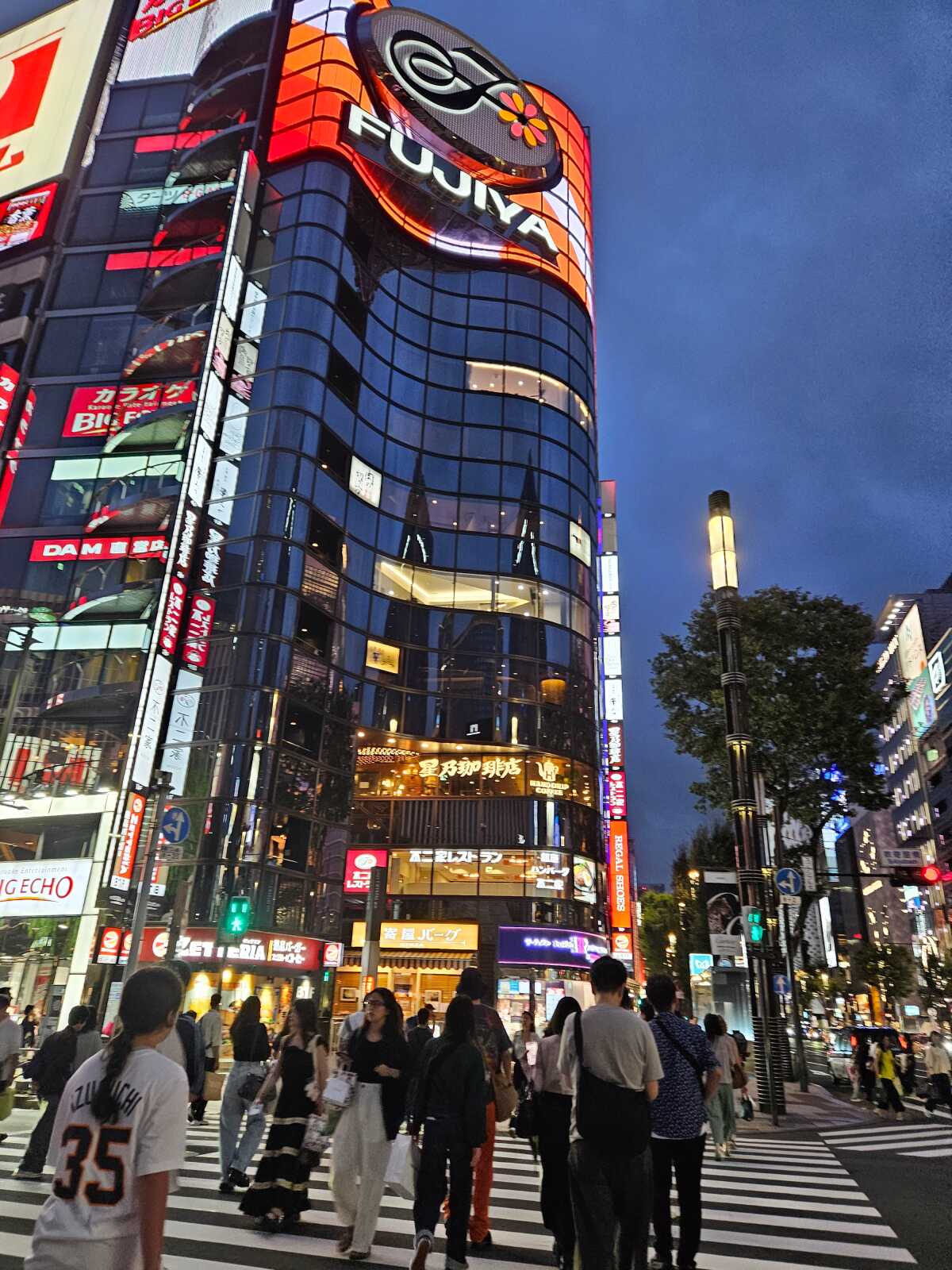
Ginza District:
Luxury shopping district with high-end brands, department stores, and restaurants.
*To Ginza: By Subway (Recommended):
You can take the Tokyo Metro Hanzomon Line, and the ride only takes about 7 minutes.
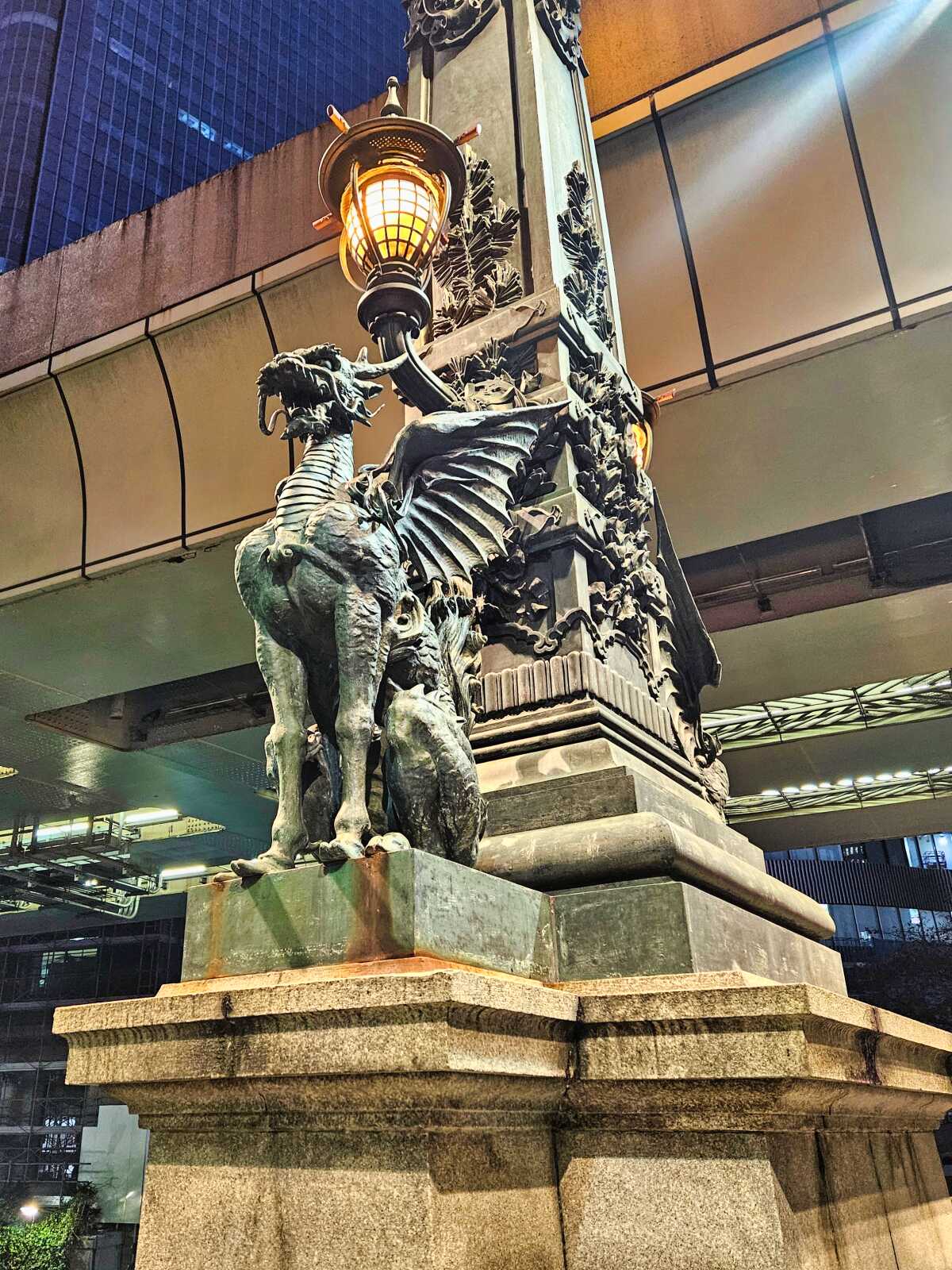
We decided to walk instead and ended up at Nihonbashi Bridge. The bridge’s unique design and statues give you a glimpse into its history.
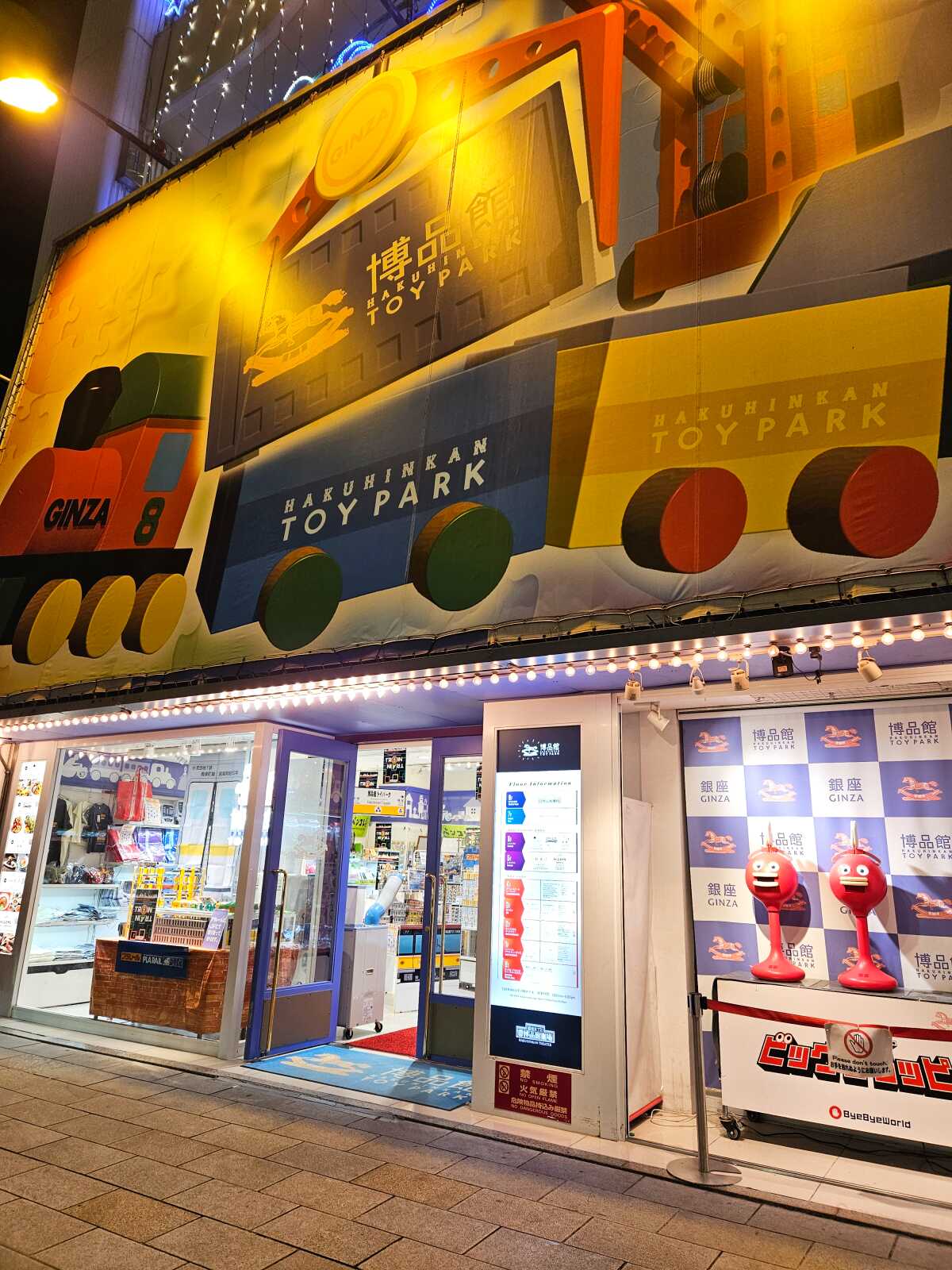
After that, we turned around and went shopping at Hakuhinkan Toy Park.
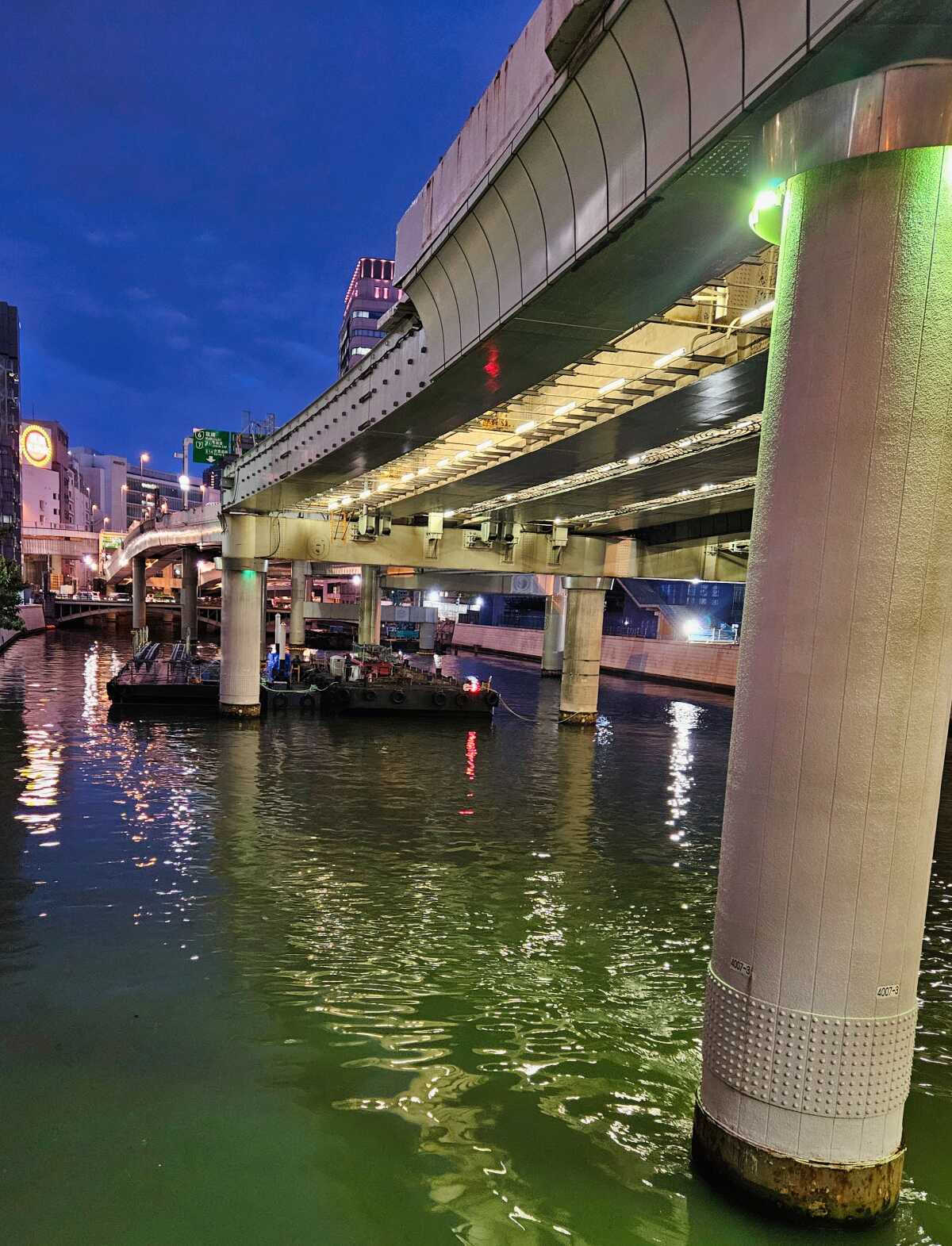
This specialty toy shop covers the first to fourth floors and has around 200,000 items. Totoro, anyone? Lol. Later, back at the hotel, we enjoyed seeing the city all lit up.
The Mitsukoshi Nihonbashi department store has been serving shoppers since 1904. Nearby, the Coredo Muromachi mall has modern restaurants and shops selling kimonos and lacquerware.
Day 2: Chuo City - Chiyoda City
Staying nearby today and walking around with no specific places in mind. We find many places and meet nice people.
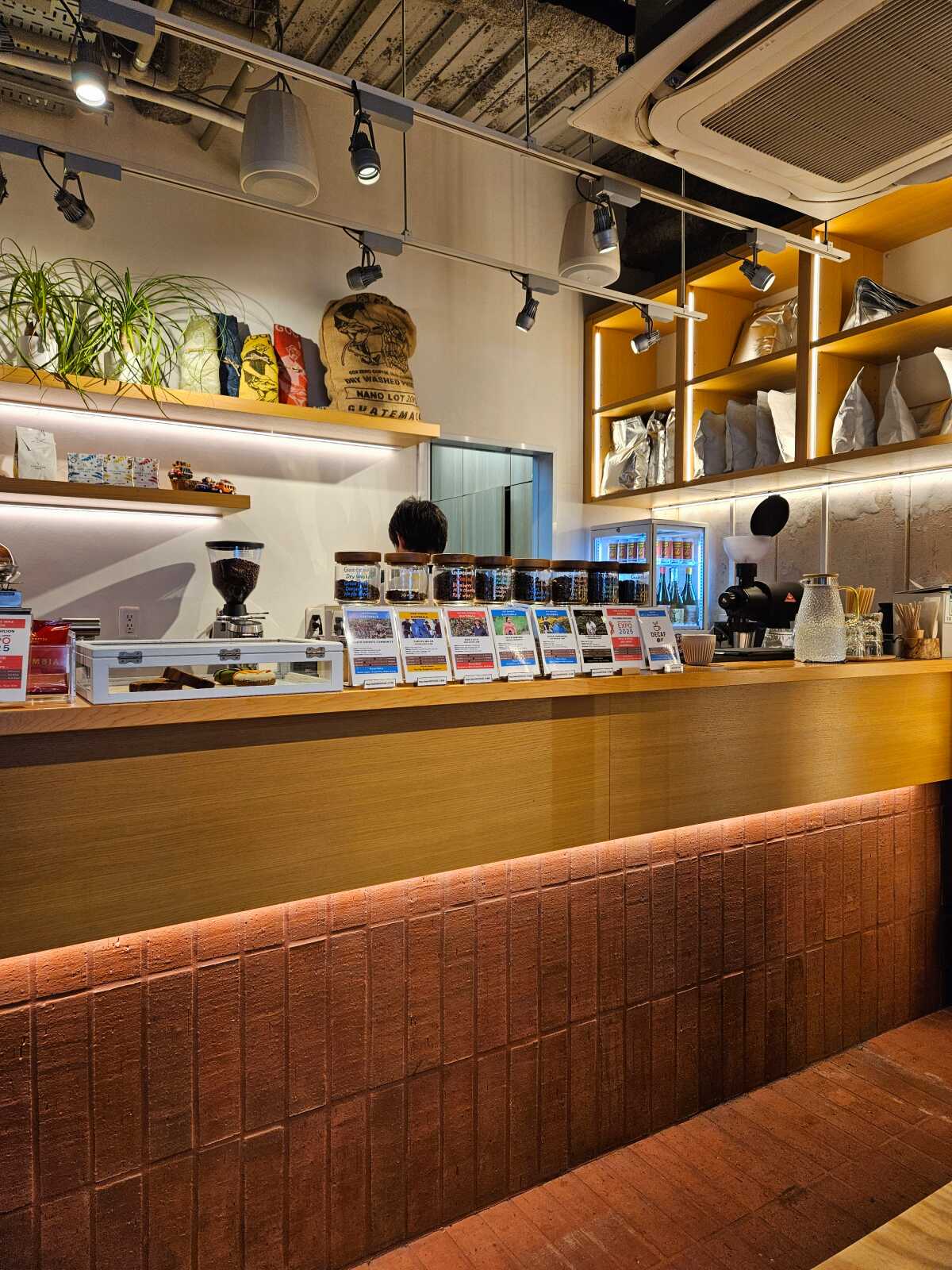
1- Going to a cafe at “Good cafe farms”
And around the corner, a little store with all kinds of goodies.
2-Marronnier Gate Ginza 1
Marronnier Gate Ginza 1 is a modern shopping complex in the heart of Ginza.
It consists of three buildings with various stores and dining options across 12 floors.
3- Tokyo Station.
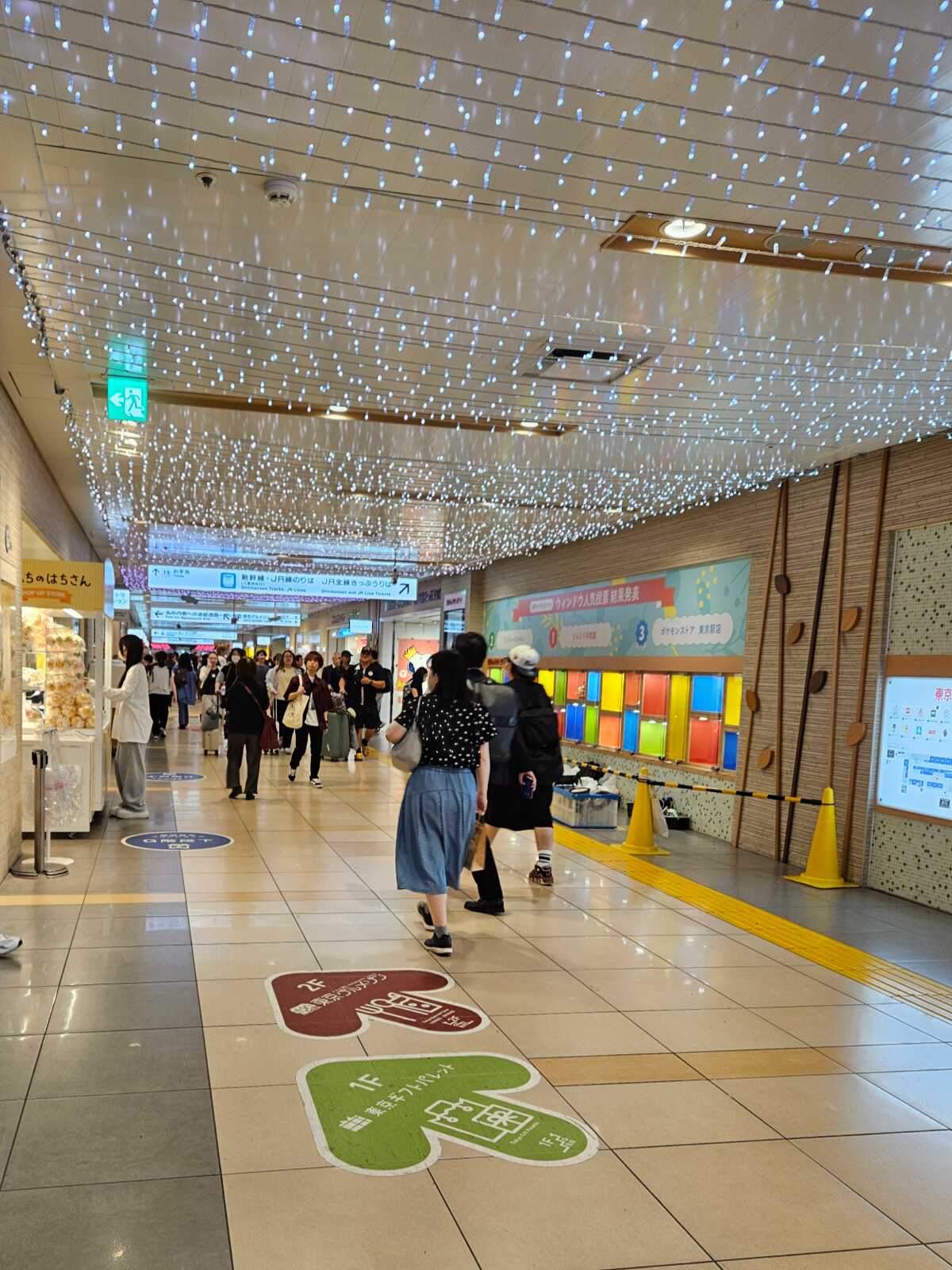
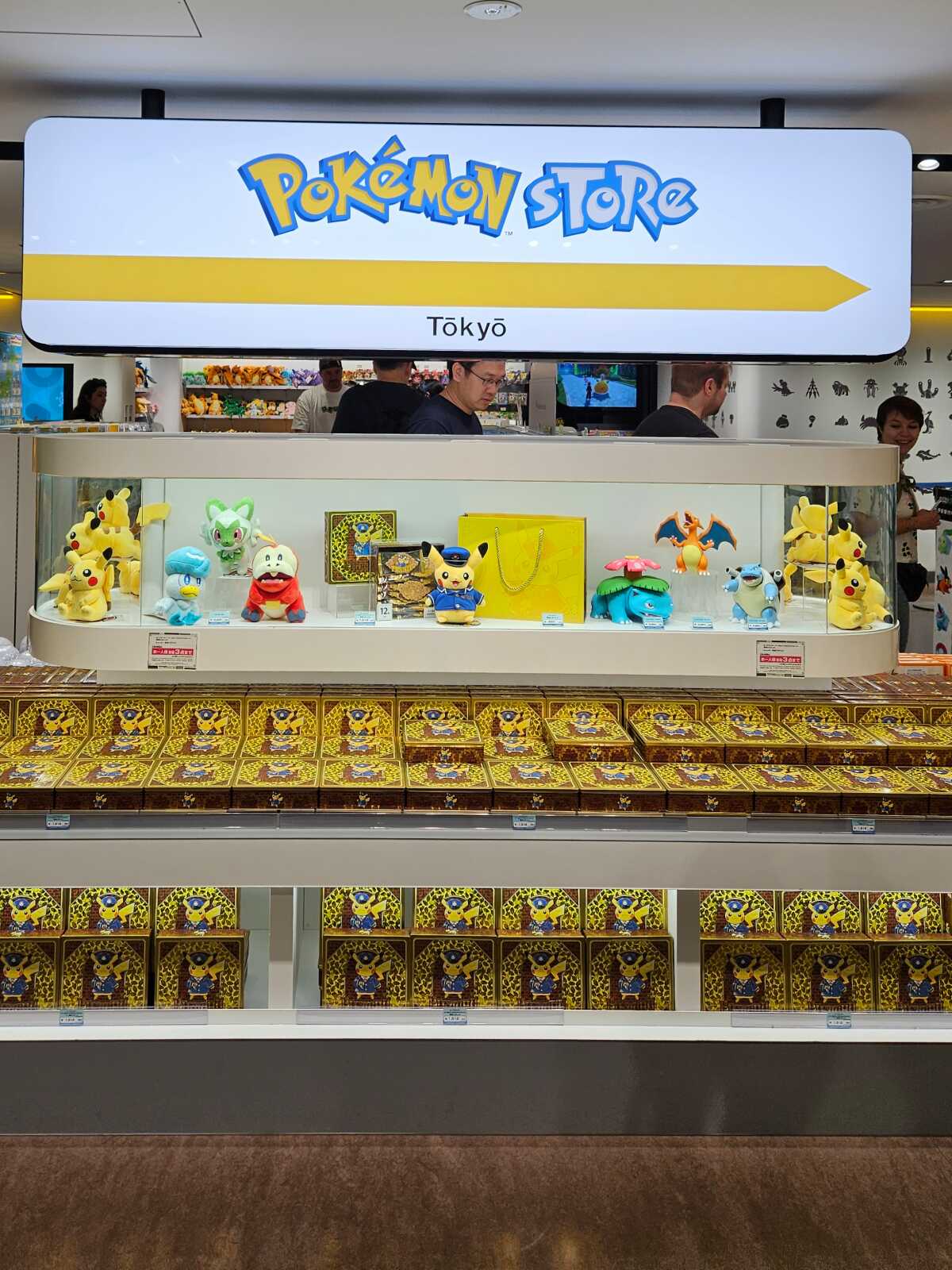
First Avenue Tokyo Station offers iconic themed shopping like Tokyo Character Street and Tokyo Ramen Street.
Yaechika provides a vast underground network of over 180 restaurants and fashion shops.
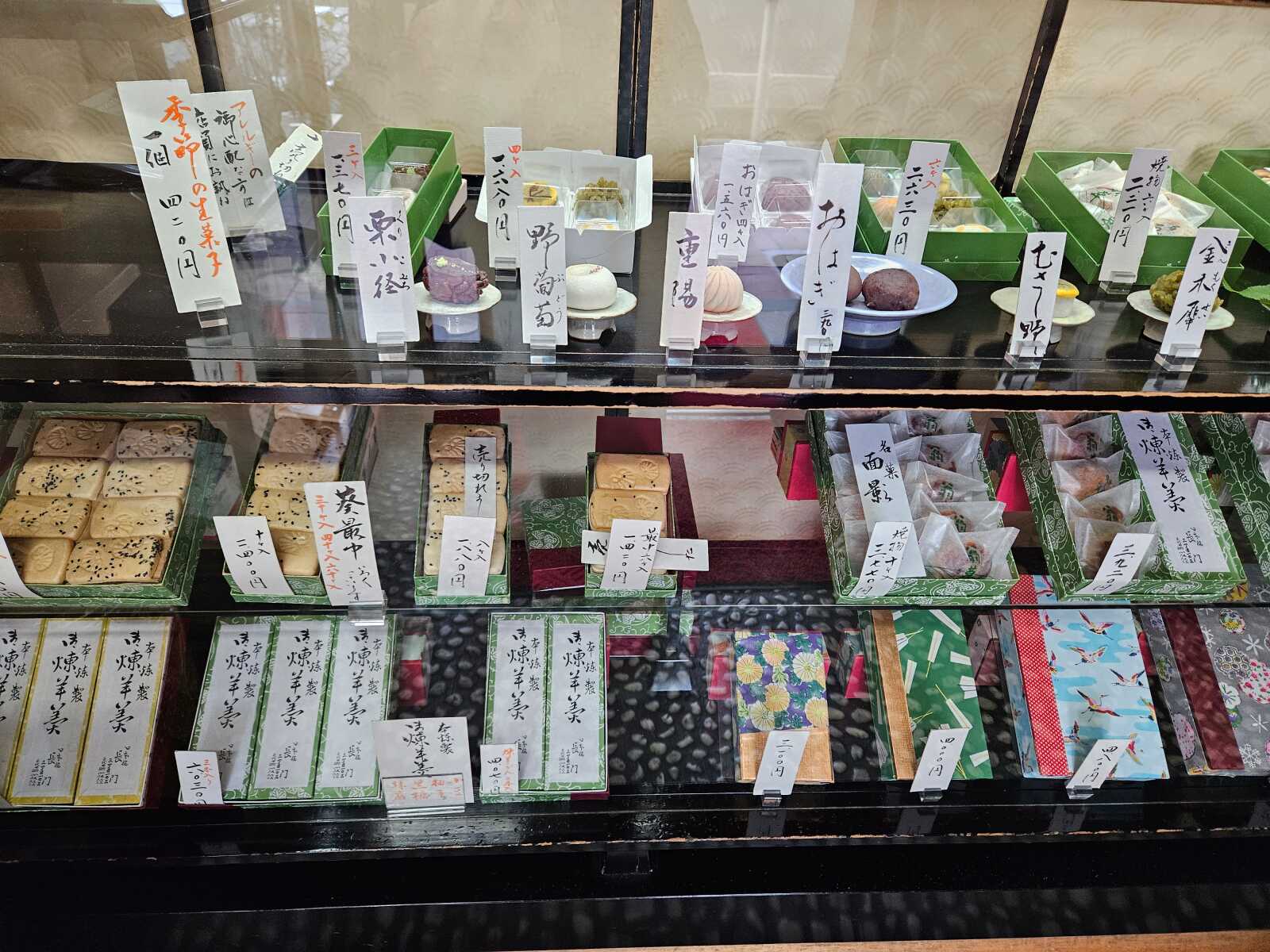
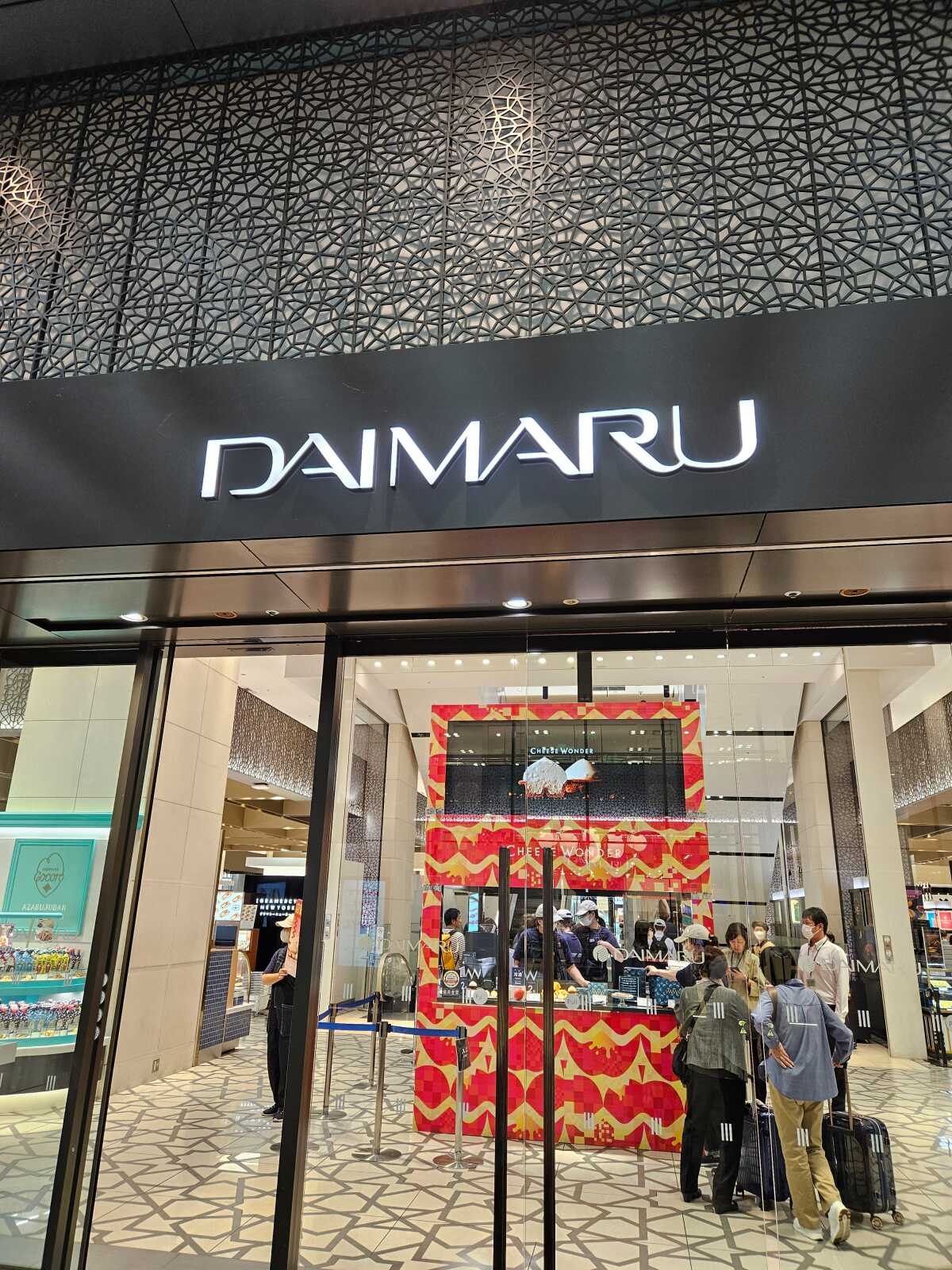
4-Daimaru Tokyo -Just WOW Unbelievable
Daimaru remains the icon of Japanese department store shopping, so add it to your to-do list. Queue at every counter for delicate, intricately presented sweets.
Day 3-Tokyo Tower
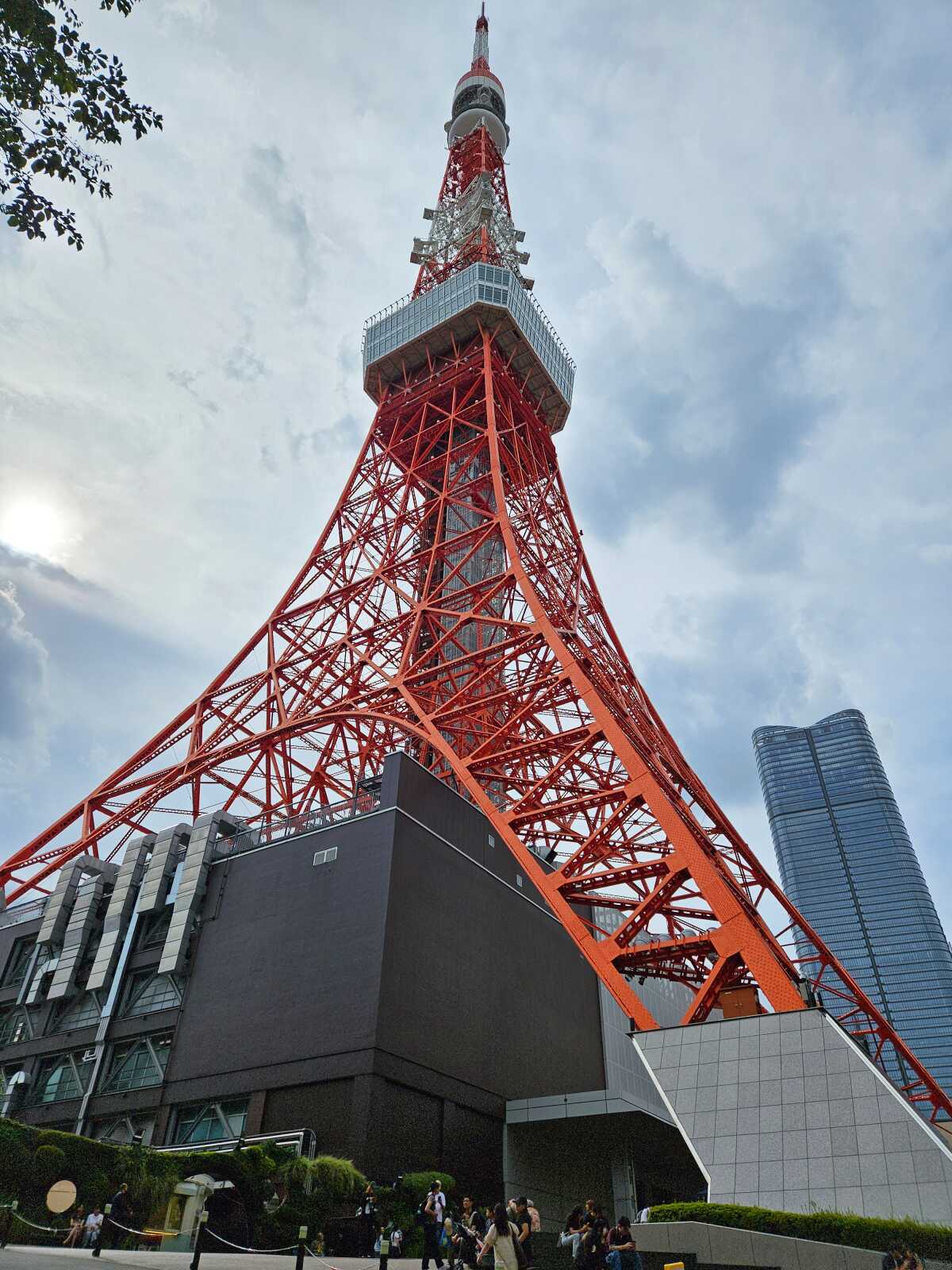
Tokyo Tower-32 minutes from the hotel in Chiyoda City by transit.
The walking time from the nearest transit stations to Tokyo Tower ranges from 5 to 15 minutes, depending on which train or subway line you arrive on.
The original architect was inspired by the Eiffel Tower and wanted to create something uniquely Tokyo, so many would agree they are far from the same.
This is okay, but not my favourite. We walk all over to see more interesting things. (My Opinion)
**Need a ticket to go up to the tower. Visitors are to go up to the main deck. If you wish to go to the top deck afterwards, you will have to buy another ticket.
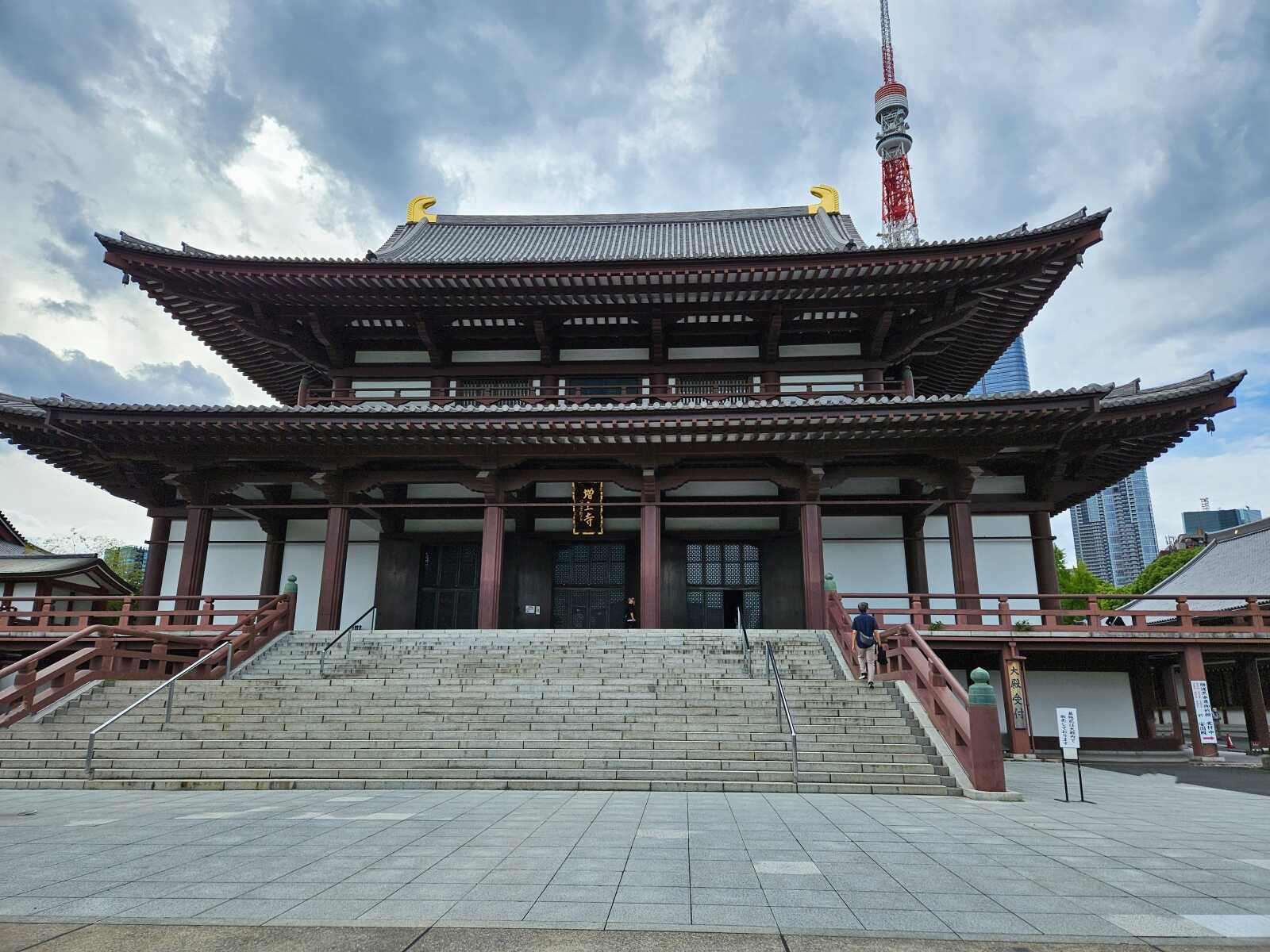
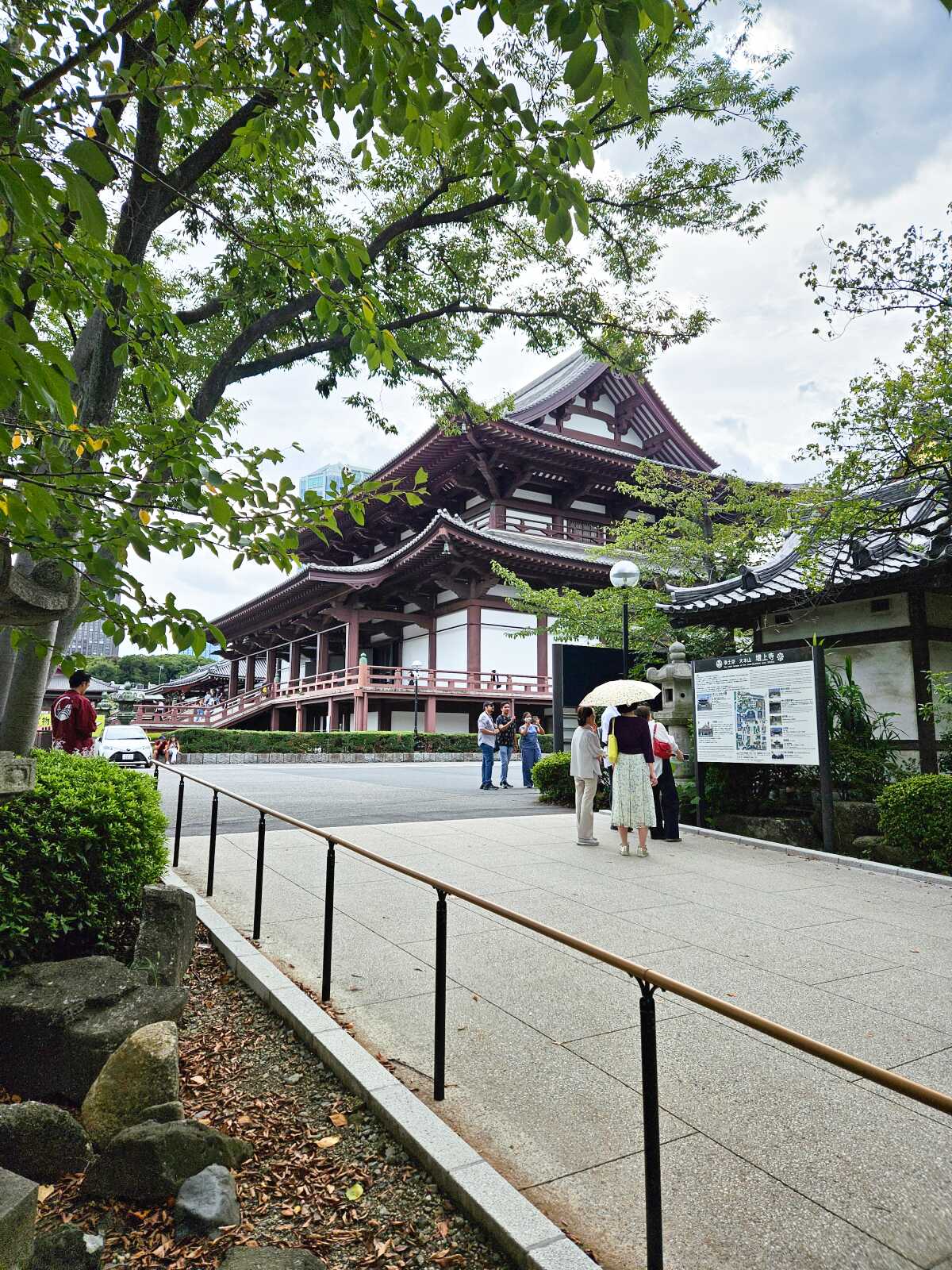
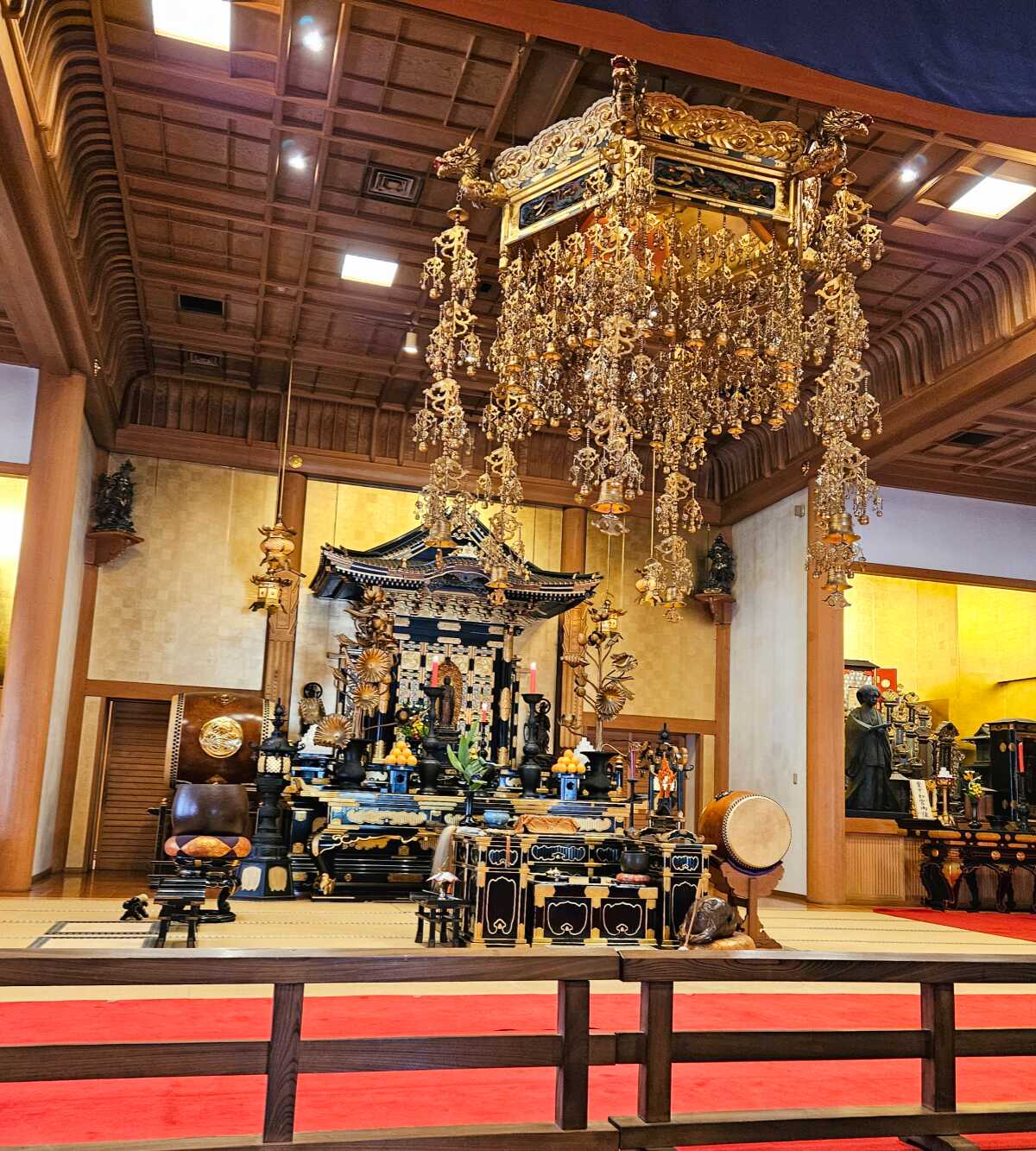
1-Zojoji Temple: Located next door, this striking centuries-old Buddhist temple offers one of the most iconic photo spots in the city, framing the traditional dark-timbered gate with the bright orange tower rising in the background
2-Shiba Park: This sprawling, lush green park surrounds the tower and temple. It is perfect for a relaxing stroll and features winding paths, autumn leaf valleys
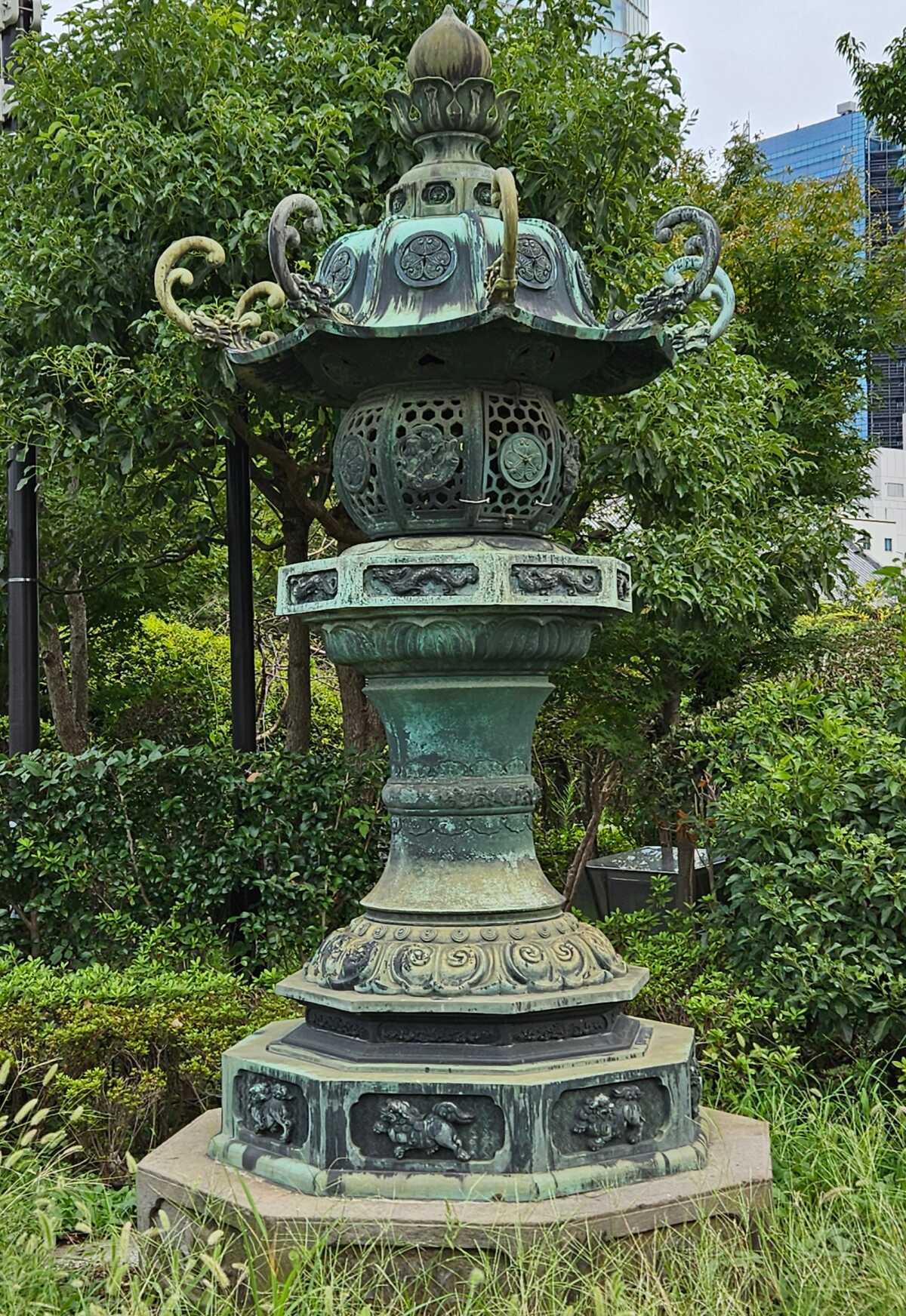
3-Tokugawa Shogun Mausoleum: Found on the grounds of Zojoji Temple, this is the final resting place of several Tokugawa shoguns.
4-Shiba Toshogu Shrine: A quiet, historic shrine located in the nearby wooded area of Shiba Park.
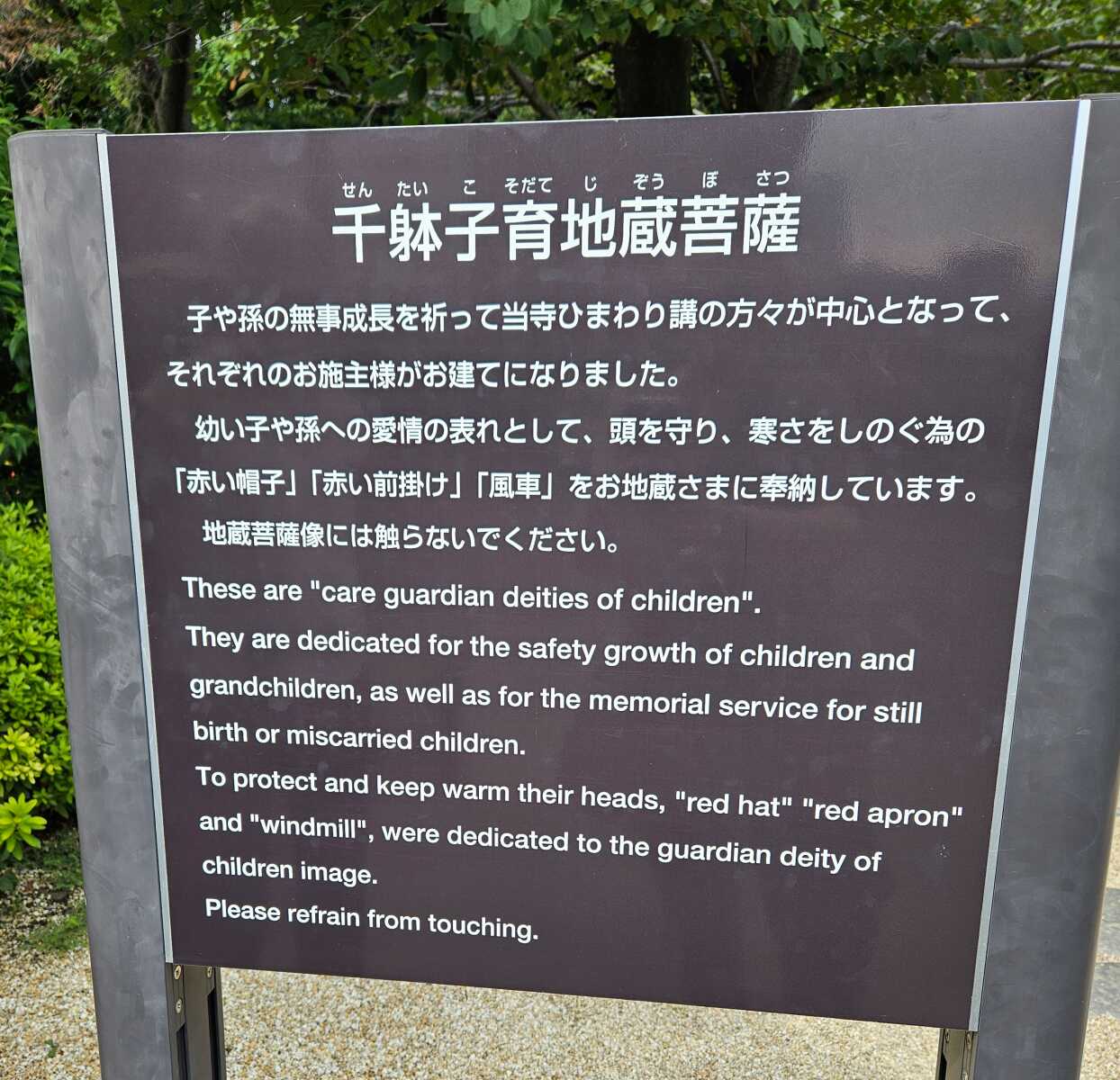
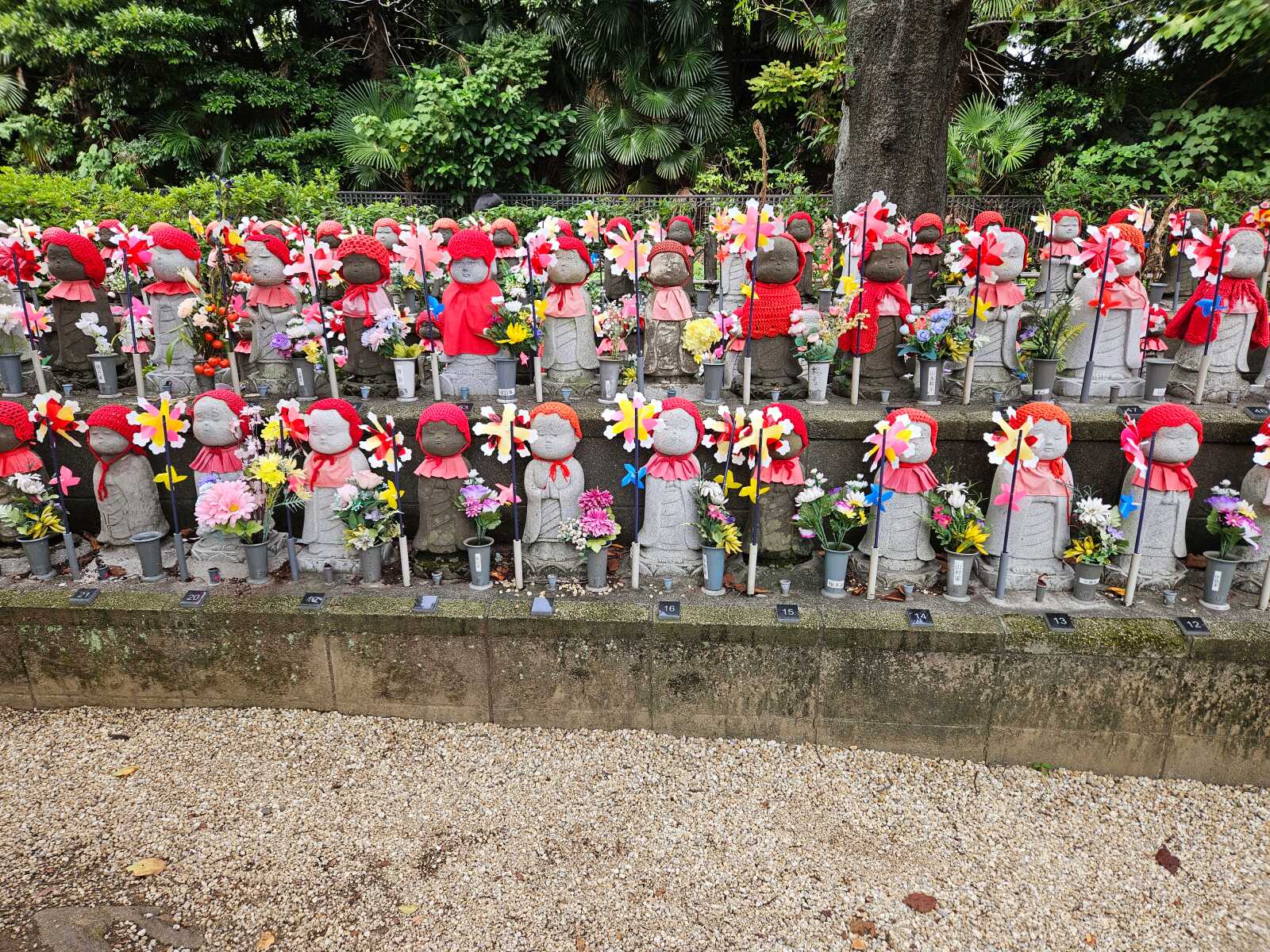
The Significance of the Zojoji Statues
In Japanese Buddhist tradition, children who die before their parents—including those who are stillborn, miscarried, or aborted—are believed to be unable to cross the Sanzu River into the afterlife because they have not gathered enough good karma.
Why Are the Statues Dressed?
*Parents who are grieving visit Zojoji Temple to dress the stone statues in handmade red knit hats and red bibs.
*These clothes are meant to offer protection, warmth, and serve as offerings.
Day 4: Kawagoe Day Trip
**We took the Tobu Tojo Line from Ikebukuro Station directly to Kawagoe Station. The ride was about 50 minutes.
After you leave the station, it helps to ask someone for directions to Kuta no machi (old town Ichibanga Street), since the signs aren’t always clear and it’s easy to go the wrong way.
This makes it a great place for a day trip, with plenty to see and do.
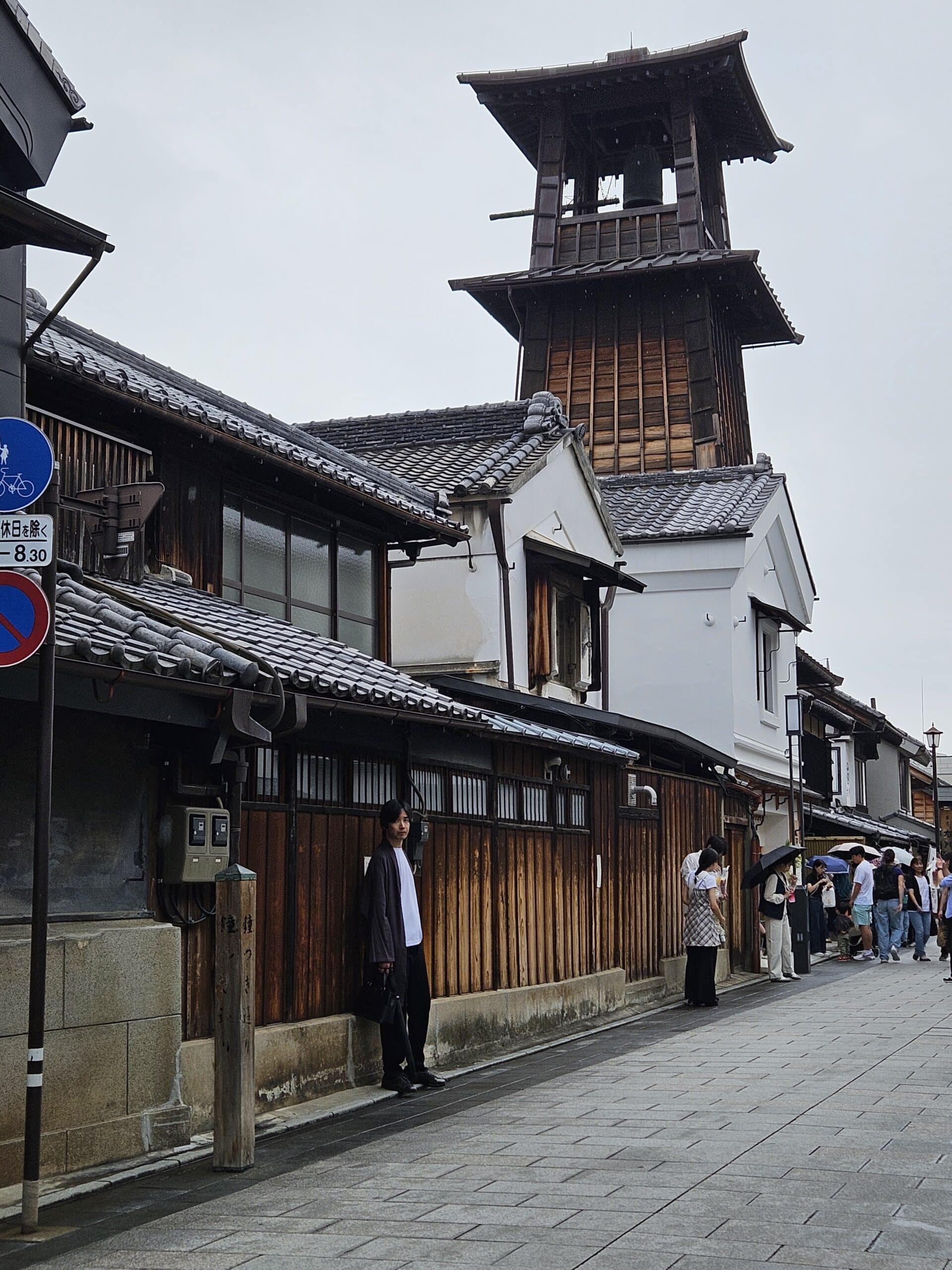
**Kurazukuri Street is known for its Edo-period merchant buildings, craft shops, and sweet potato snacks. Since the shops are spread across different streets, you can buy anything you like right away. You might not find that shop again.
**Kawagoe Hikawa Shrine is a popular place for matchmaking and is known for its large ema statues.
**Toki no Kane is an iconic wooden clock tower and a symbol of Kawagoe.
**Candy Alley (Kashiya Yokocho) is a nostalgic snack street and a great spot to find souvenirs.
**Kawagoe Castle Honmaru Palace is a rebuilt palace that now serves as a museum. Then, take an evening walk to end your day.
Day 5: Asakusa
**You can reach Asakusa directly by taking either the Ginza Line or the Asakusa Line.
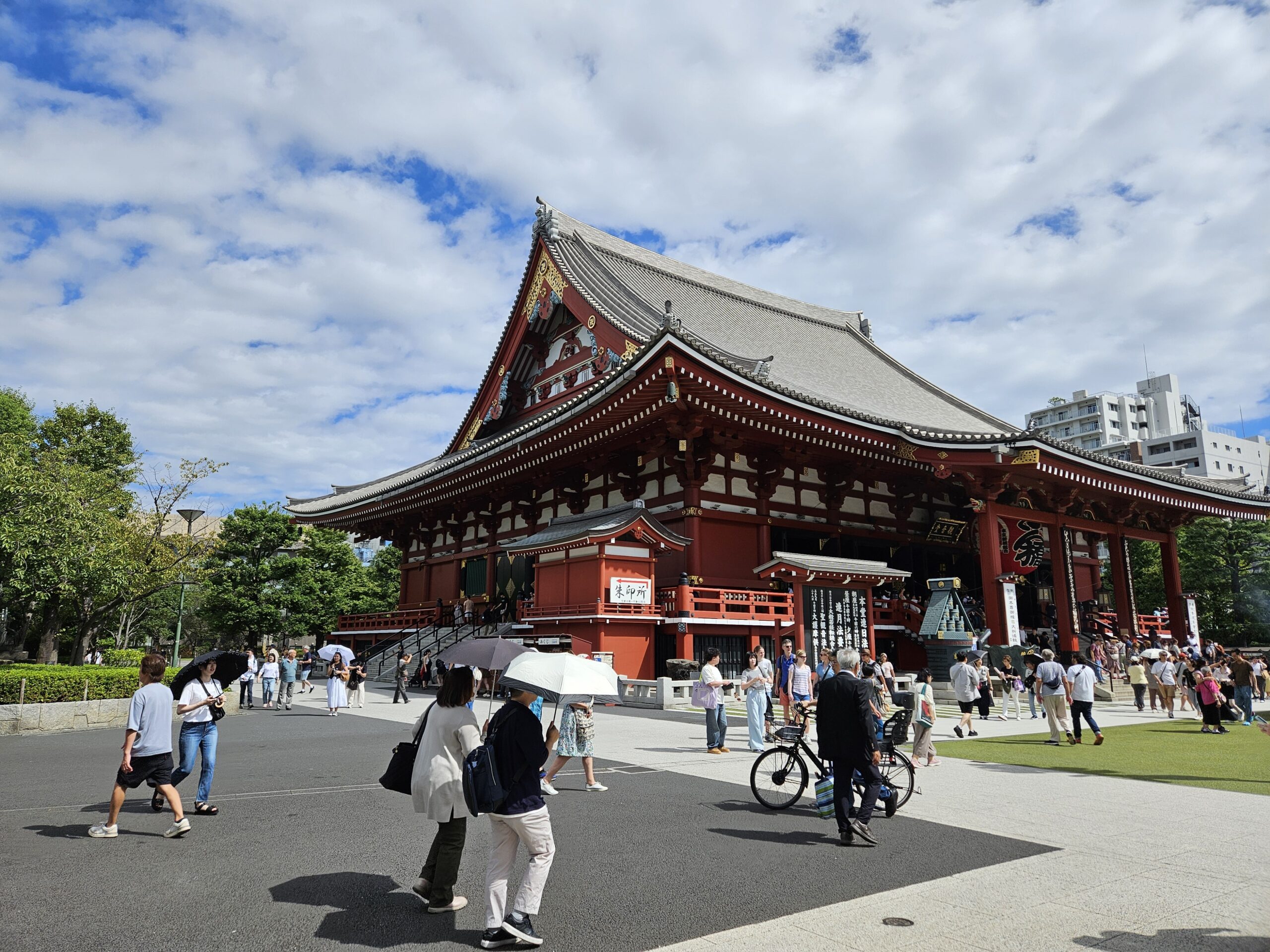
Asakusa is the center of Tokyo’s old town charm. It’s known for Sensō-ji, the city’s oldest Buddhist temple, and the lively Nakamise shopping street.
Here, you’ll find street food, rickshaw rides, and shops selling traditional crafts.
There’s a historic hall and shop here, and upstairs you’ll find a cozy little restaurant.
Must-See Attractions
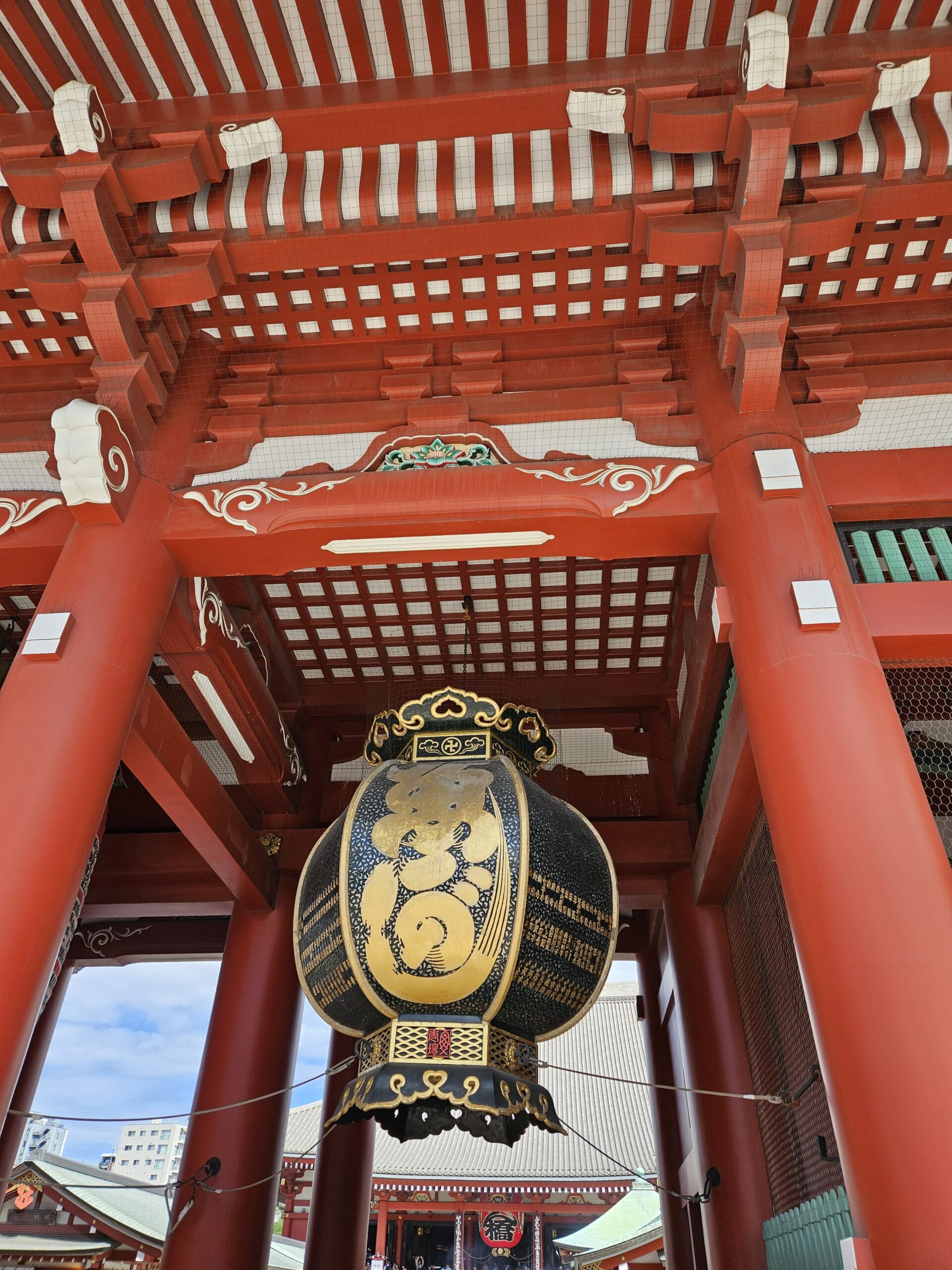
**Sensō-ji Temple is Tokyo’s most popular spiritual site.
**Nakamise-dōri is the centuries-old street leading to the temple. With over 90 stalls, it’s a great spot to try traditional snacks and pick up souvenirs.
**The Asakusa Culture and Tourism Center is right across from Kaminarimon, or Thunder Gate. Visit the 8th-floor observation deck for a free view of the area.
**If you have extra time, cross the bridge to explore Sumida City and its park.
Day 6: Shihya and Owl Cafe
The Train (Recommended) The easiest way to get there is by taking the Tokyo Metro Ginza Line.
The trip takes 22 to 30 minutes.
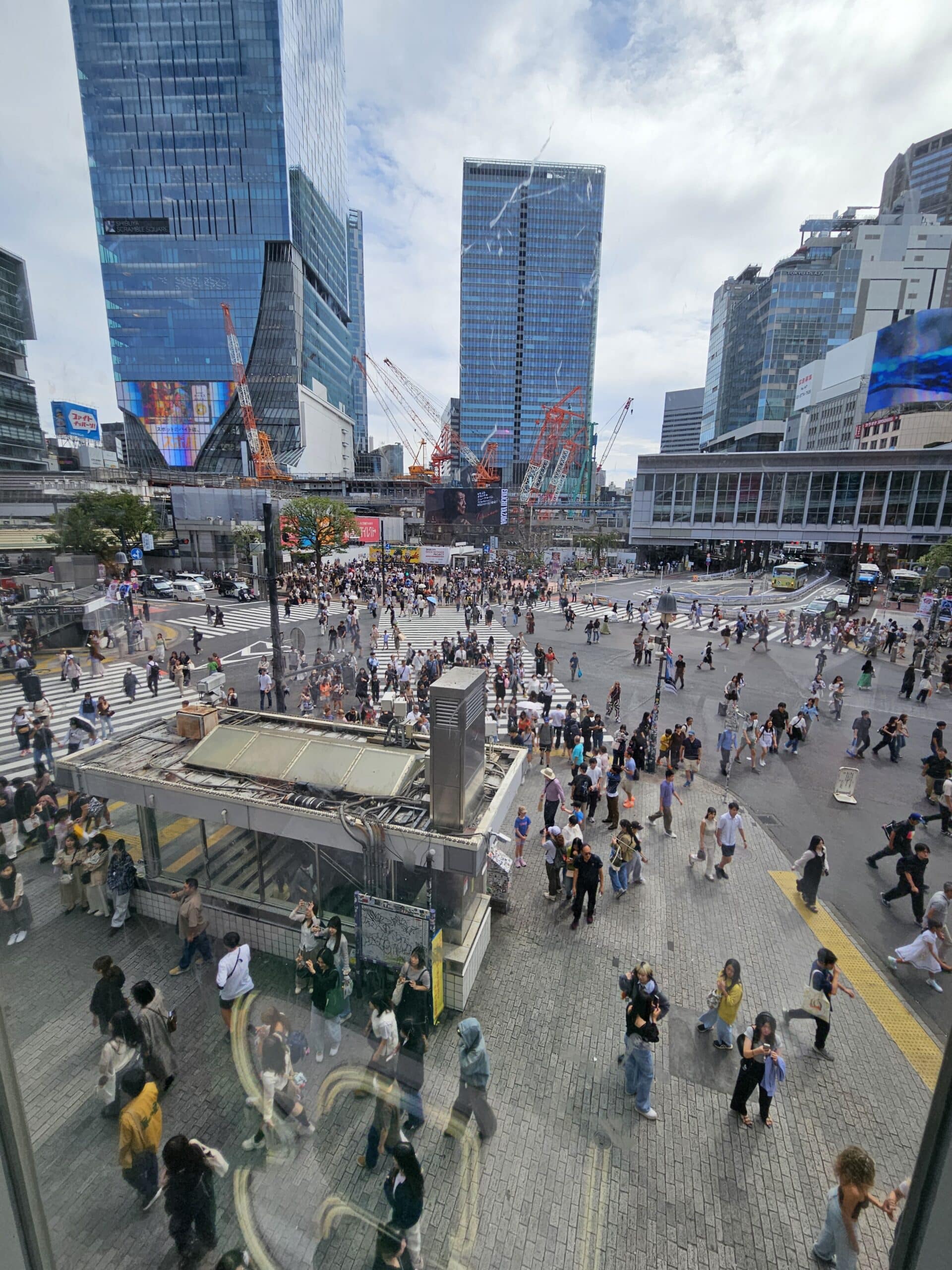
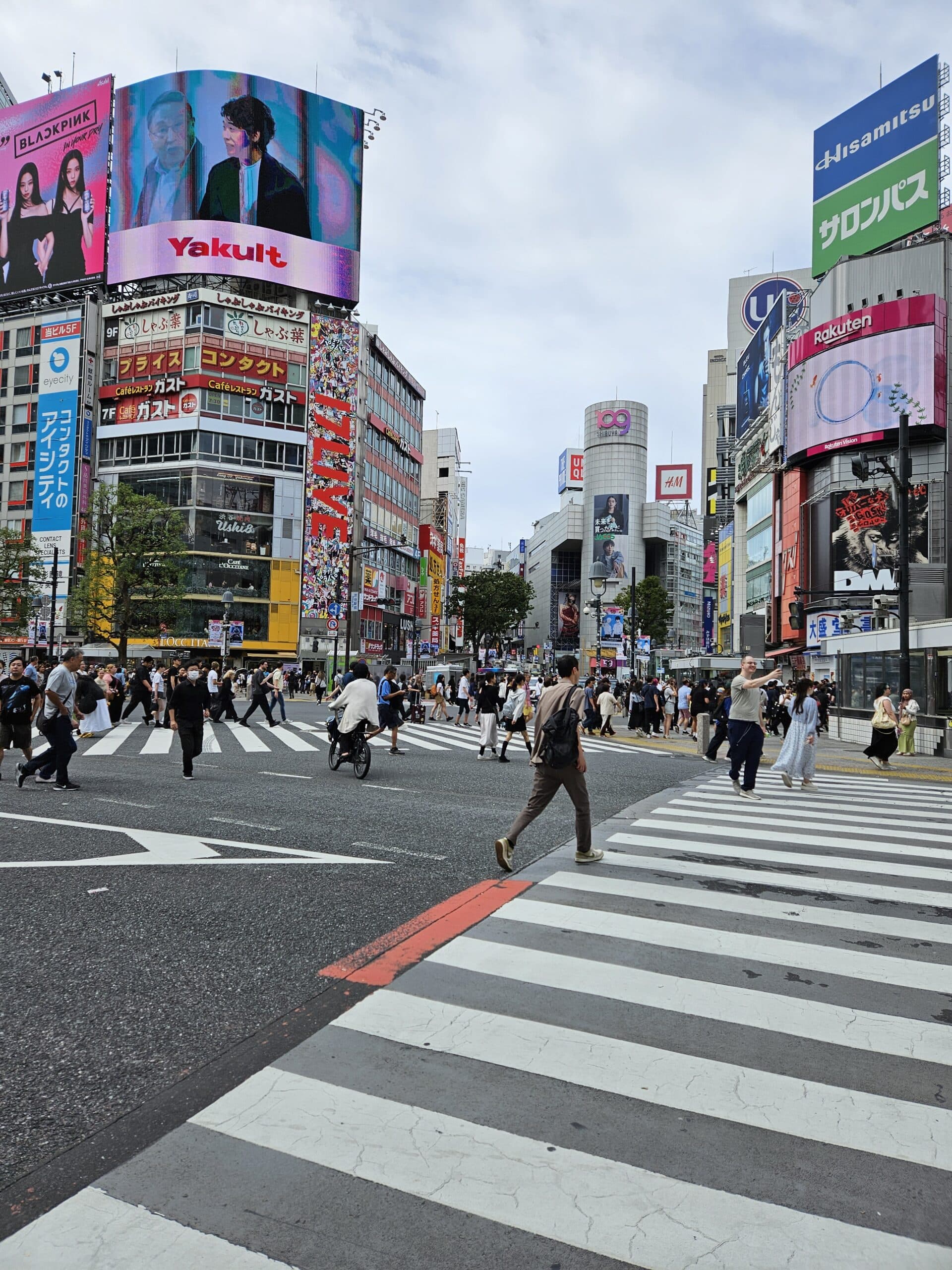
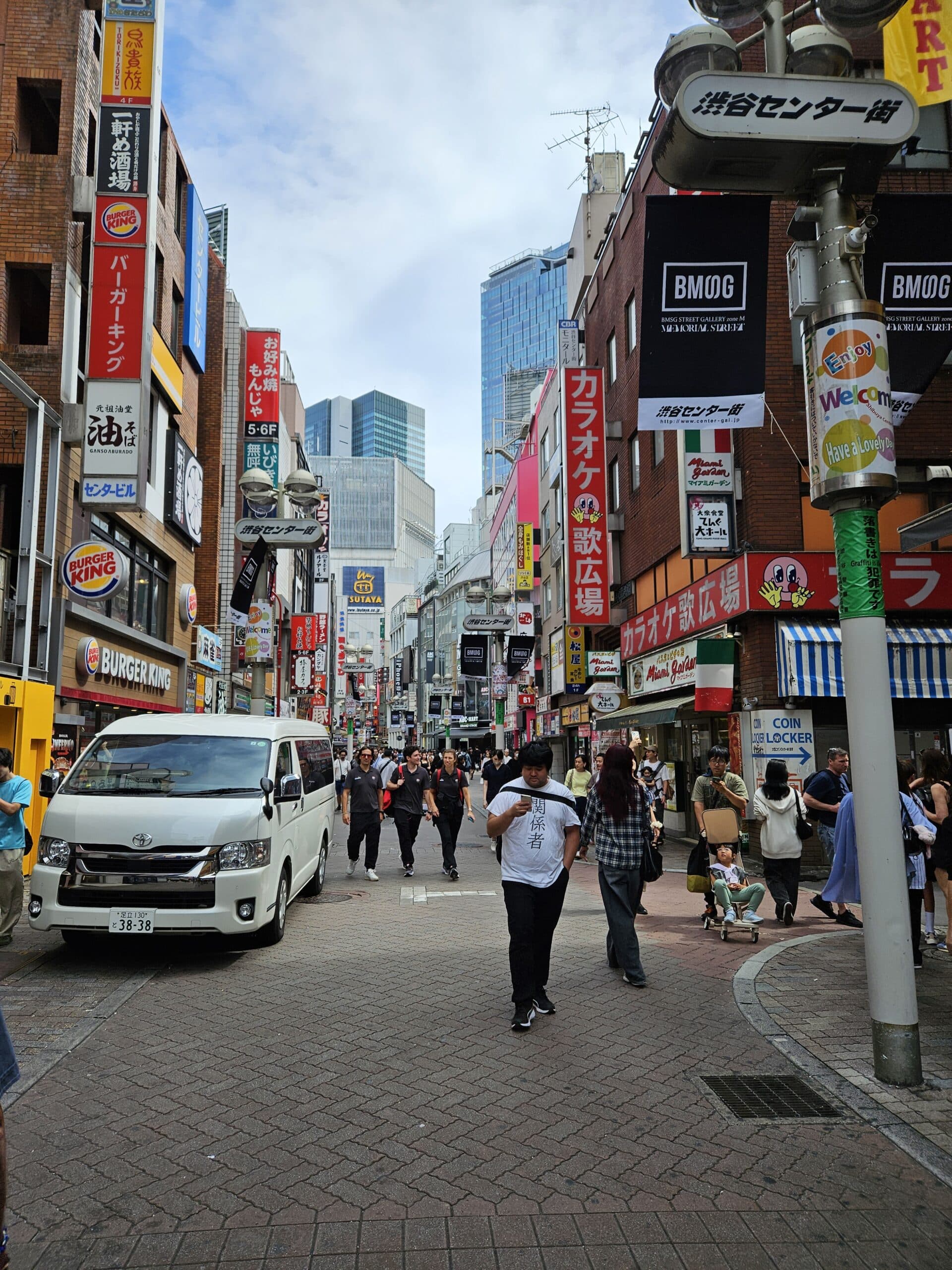
Shibuya is one of the busiest areas in the world.
Many shops in Japan are inside tall buildings covered with bright neon signs.
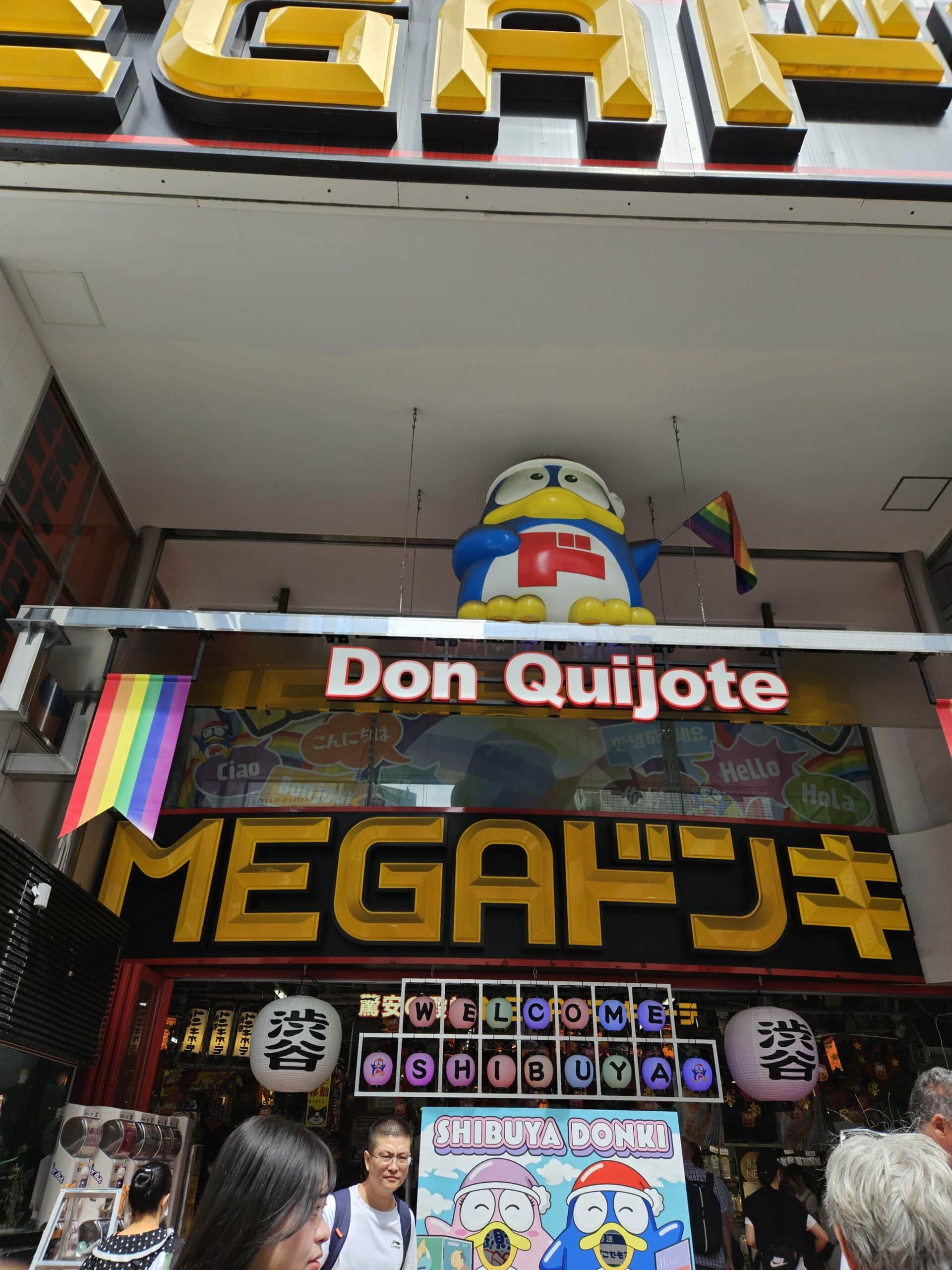
*Do some shopping at Don Quijote.
Crowds cross the famous intersection every minute, showcasing the lively, well-organized energy that makes Tokyo unique.
**If you want a good photo of the famous crossing, try taking some pictures from the Starbucks nearby.
I wanted to explore, but with so many shops and streets, it felt overwhelming.
Back at the hotel for our reservation to visit the owl.
Book ahead by reserving a spot on the Owl Village Harajuku website.
Each session lasts 45 to 60 minutes.
**Please choose the right session, as private sessions are more expensive.
You can visit the rescue owl and have a photo session with it.
Owl cafes in Tokyo offer a special chance to see, pet, and hold owls with the help of the staff.
Cafe aux Bacchanales.
Very good


Coco Restaurant.
Close to the hotel in Chuo City

Restaurant.
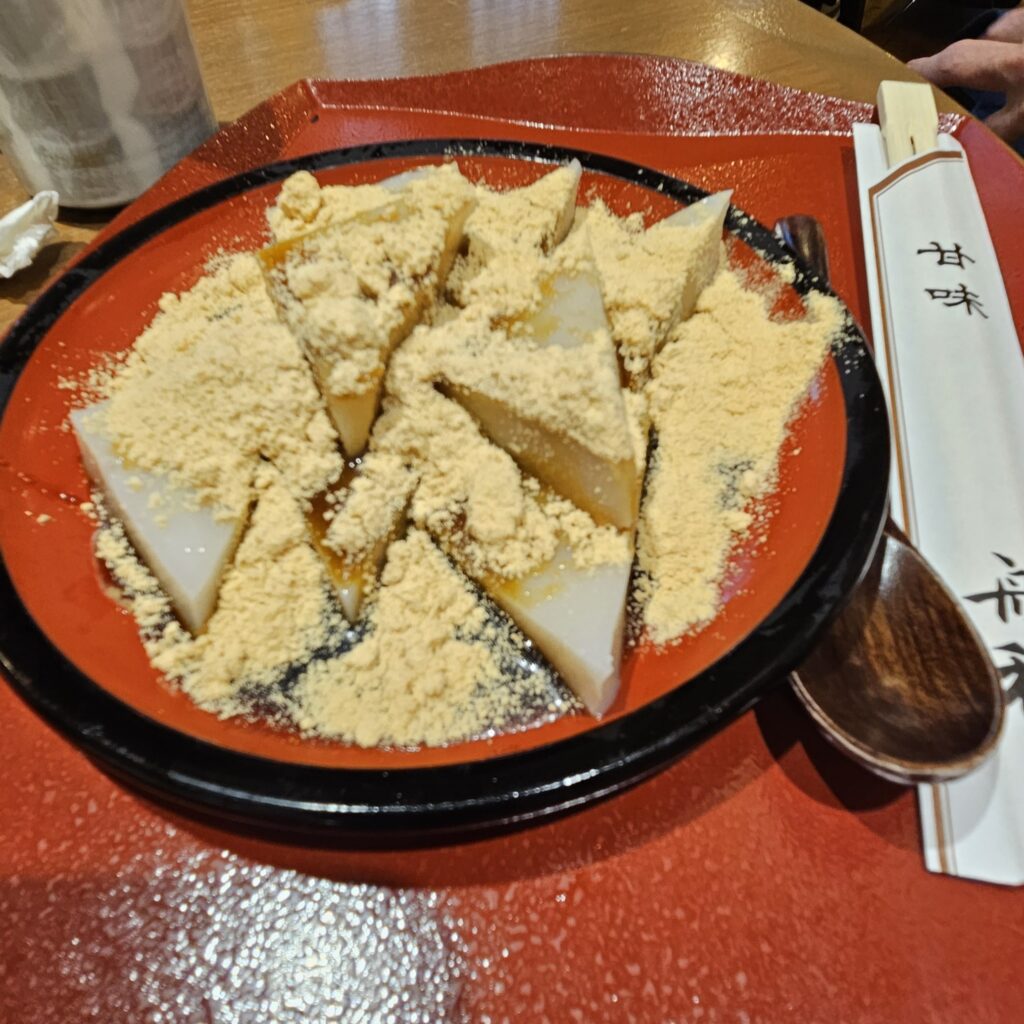
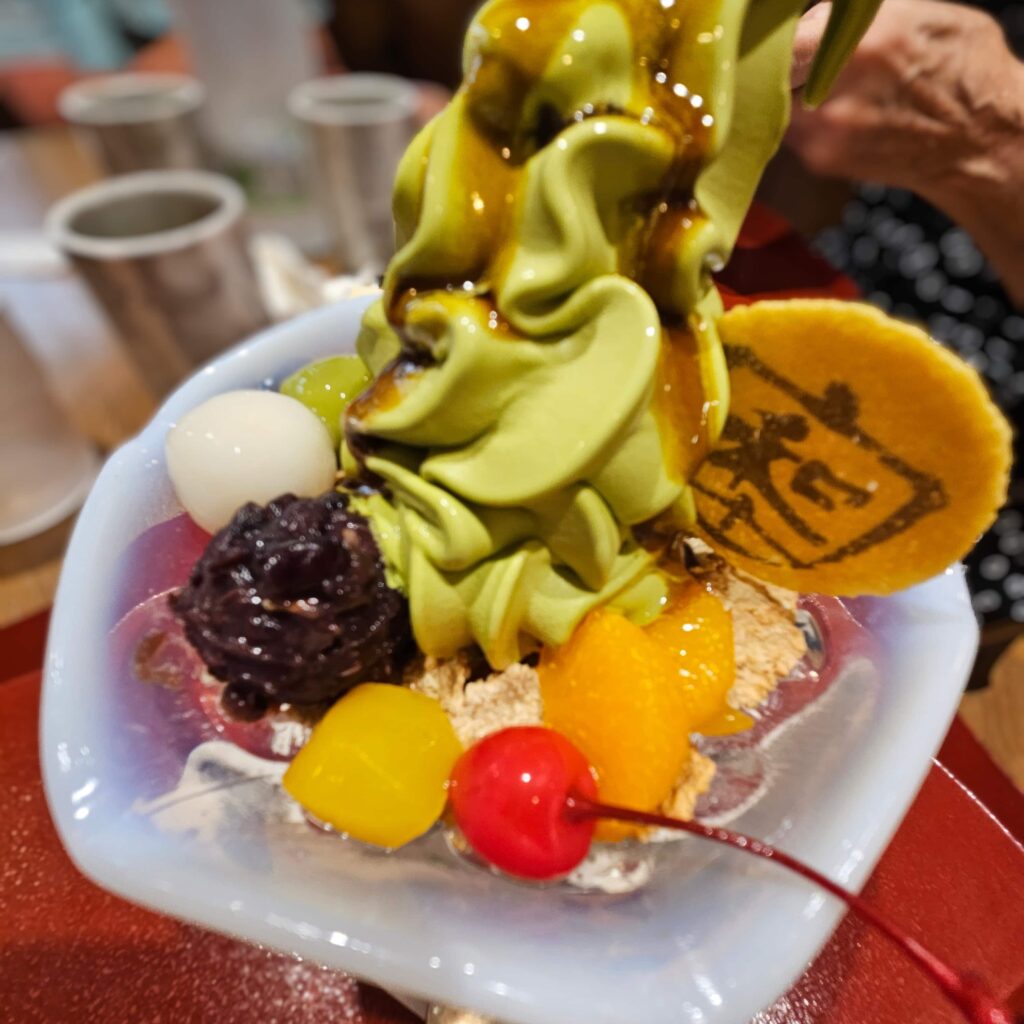
In Akasuka ( go upstairs)

Personal Insight:
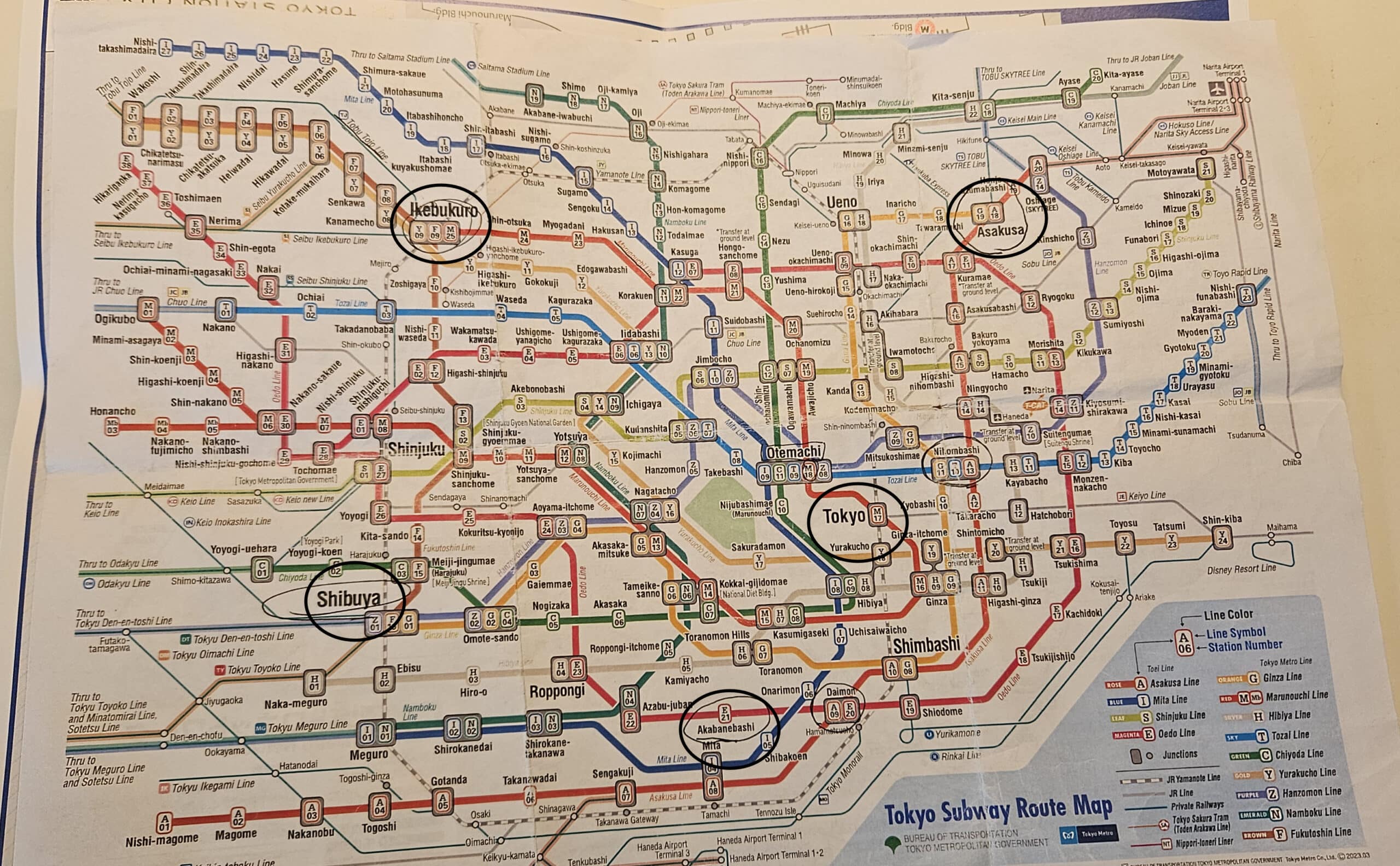
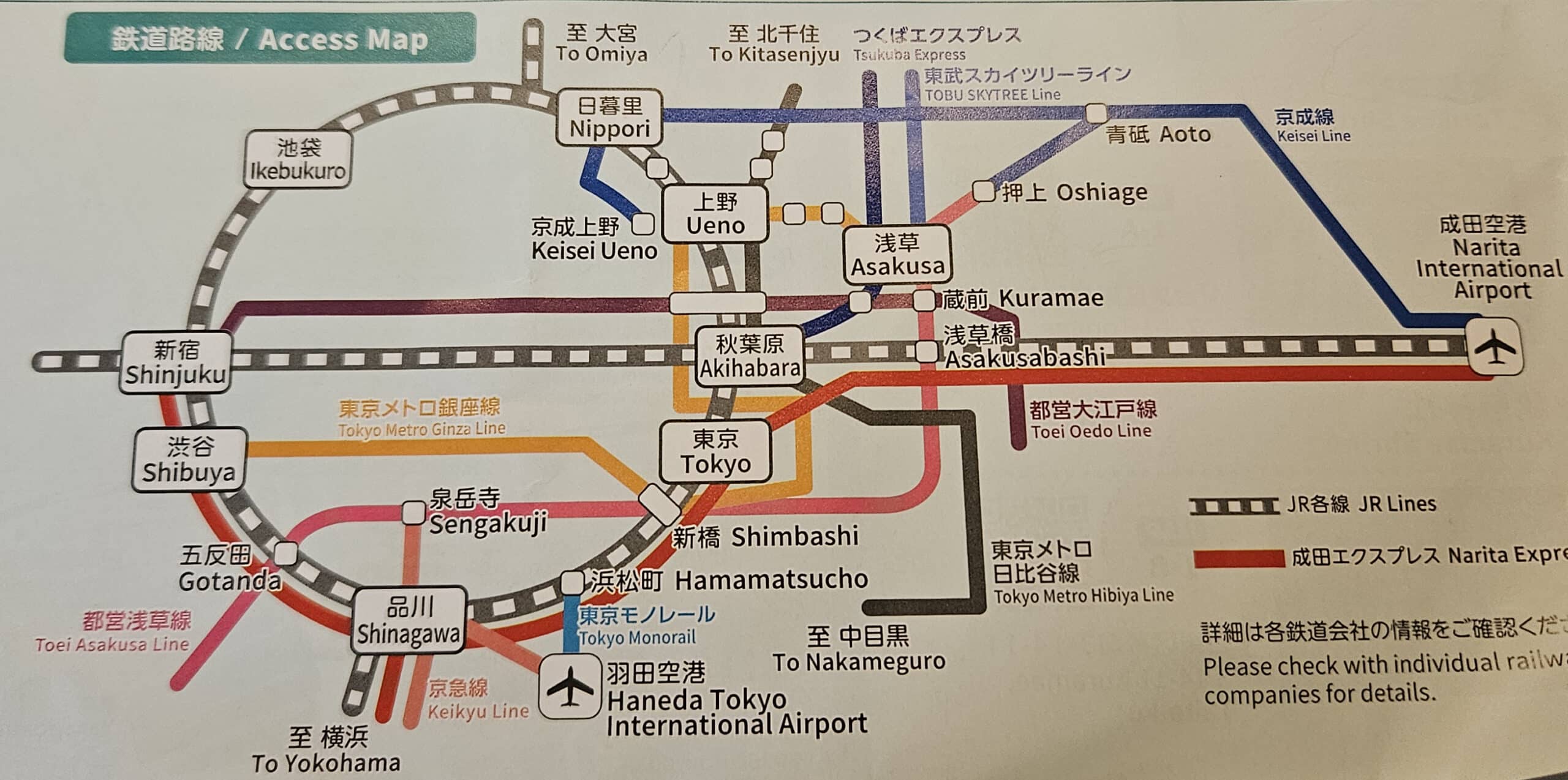
*I recommend picking up a train map to find your way more quickly. The train system is large and works really well.
*The restaurants near the hotel aren’t great. You might find a small place that looks okay, but some seem a bit questionable.
*It’s a good idea to eat while you’re out exploring before heading to the hotel. You will find more restaurant options.
*The hotel rooms are small, but the price is reasonable, and it’s close to the Nigombashi tram station. The free breakfast is just dessert.
*There’s a 7-Eleven across the street where you can buy fruit and other food, and their fruit packs are pretty good.
**See the Japan page for more info. For more info about do’s and don’ts in Tokyo.