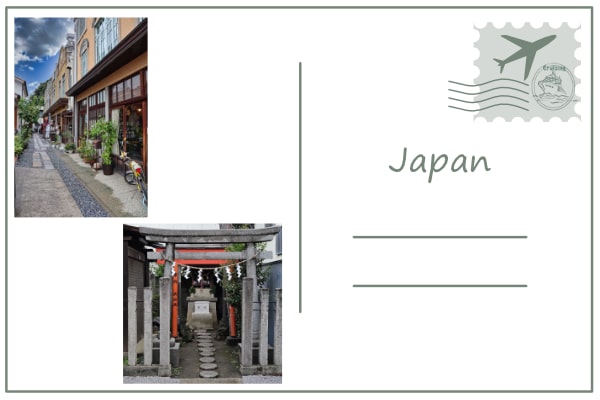
Japan offers everything from ancient temples and quiet bamboo forests to Tokyo’s bright skyline. You can walk under red torii gates, see Mount Fuji, enjoy famous food, soak in hot springs, and experience a culture known for respect, beauty, and tradition.
Whether you are visiting Japan for the first time or returning to discover new places, this blog will help you with travel ideas, useful tips, cultural information, day trips, and memorable experiences all over Japan.
Destination
Keep In Mind
Entry Requirements:
Good news! Many nationalities can enter Japan visa-free for short stays:
- Tourist visa-free stays: Up to 90 days for citizens of the USA, Canada, the UK, the EU, Australia, NZ, Singapore, South Korea, and many others
- Passport validity: Must be valid for the entire duration of stay
- Return ticket: Proof of onward/return travel may be required
- Working holiday visas: Available for certain countries (ages 18-30)
Always check with the Japanese embassy/consulate in your country for the most current requirements!
Best Time to Visit:
- Spring (March to May): Cherry blossoms are beautiful, though this period is often crowded.
- Summer (June to August): Expect hot, humid weather and numerous festivals.
- Autumn (September to November): Enjoy mild weather and vibrant fall foliage.
- Winter (December to February): Cold temperatures, ideal for skiing, seasonal illuminations, and fewer crowds.
- Avoid: Golden Week (late Apr-early May), Obon (mid-August), and New Year (Dec 29-Jan 3) – domestic travel peaks.
Safety & Health:
- Tokyo is one of the safest cities in the world.
- Violent crime is extremely rare.
- However, remain vigilant for pickpockets in crowded areas.
- Women travelling alone: Generally very safe, but avoid empty train cars late at night
**Quality: World-class medical facilities **
Cost: Medical care can be expensive for tourists. Travel insurance is strongly recommended.
Pharmacies: Look for the green cross sign. Some staff members speak English.
Prescriptions: Bring a doctor’s note for any medication. Some drugs that are legal elsewhere may be prohibited in Japan, including certain ADHD medications and strong painkillers.
Emergency Numbers
- Police: 110
- Ambulance/Fire: 119
- Japan Helpline (English): 0570-000-911 (10 am-6 pm)
Local Etiquette & Culture:
- Respect local customs and traditions
- Remain patient and flexible
- Embrace cultural differences
- Be open to new experiences
What To Expect
Money & Payments
Currency: Japanese Yen (¥)
Cash is king: Many small restaurants, temples, and rural areas are cash-only
ATMs: 7-Eleven and Japan Post ATMs accept international cards
Credit cards: Widely accepted in cities, less so in rural areas
Tax-free shopping: Available to tourists who spend ¥ 5,000 or more at participating stores (bring your passport!)
Tipping: Tipping is not mandatory, but rounding up the bill or leaving a small tip (5-10%) is appreciated.
Wall Plugs & Electricity
Plug Type: Tunisia uses Type C and Type E plugs (like most of Europe).
Voltage: 230v / 50Hz – Bring a converter if your devices use a different voltage.
Adapter Needed? You will need a plug adapter from the UK, the US, or other non-European countries.
Language
Official Language: Arabic
Widely Spoken: French (especially in shops, restaurants, and tourist areas).
English? It is spoken in some places, but not everyone is fluent. Basic French or Arabic phrases will help!
Internet & SIM Cards
Wi-Fi: Available in cafés, restaurants, and hotels, but can be slow.
Local SIM Cards: If you need mobile data, buy a SIM from Tunisie Telecom, Ooredoo, or Orange. They’re cheap and easy to set up.
Transportation
TGM Train: A cheap and easy way to travel between La Goulette, Tunis, Carthage, and Sidi Bou Said.
Taxis:
Use yellow taxis with a meter.
Always ask the driver to use the meter or negotiate the fare before starting the ride.
Avoid taxis waiting near cruise ports, as they tend to overcharge tourists.
Shopping & Prices
Markets & Souvenirs: Local crafts, ceramics, and spices are available. Haggling is common in markets!
Do
Cultural Etiquette
1-Bow when greeting (a slight nod is fine for tourists)
2-Remove shoes when entering homes, temples, ryokans, and some restaurants.
3-Keep your voice down on public transport. Making phone calls is not considered polite.
4-Always line up neatly, as people in Japan form orderly queues for almost everything.
5-Bring cash with you because many small shops do not take credit cards.
6-Try to learn a few basic Japanese phrases. Even saying “Arigatou gozaimasu” (thank you) is appreciated.
7-Use both hands when giving/receiving items, especially business cards.
8-Be on time, or even a little early. In Japan, arriving 5 to 10 minutes before your appointment is expected.
Don't
Cultural Faux Pas
1-Do not tip. Tipping is not part of Japanese culture and can even be seen as rude.
2-Avoid eating while walking. It is considered impolite, so eat at the food stall or in a designated area.
3-Do not point with one finger. Use your whole hand instead.
4-Do not stick chopsticks upright in rice, as this resembles funeral rituals.
5-Do not pass food from one pair of chopsticks to another, since this is also a funeral custom.
6-Do not wear shoes indoors. Look for shoe racks or slippers at the entrance.
7-Do not be loud on trains or buses. Keep your conversations quiet.
Personal Insight:
Important Rules
- Do not jaywalk. Always wait for the green light, even if there are no cars.
- Do not smoke on the street. Only use designated smoking areas.
- Do not take photos of people without their permission, especially in traditional areas.
- Do not enter onsens (hot springs) if you have tattoos, as many still ban them, though this is slowly changing.
- Do not forget to sort your trash. Recycling rules are strict and can vary by area.
