How to Spend a Day in Besalú and Castellfollit de la Roca

A Day Trip to Besalú -Sant Feliu de Pallerols and Castellfollit de la Roca

BesaluEmbark on a historical journey as you explore two of Catalonia’s most captivating medieval villages—Besalú and Castellfollit de la Roca. Tucked away in the province of Girona, these unique towns offer a glimpse into centuries past, where cobblestone streets, ancient bridges, and stone houses tell stories of a bygone era, enriching your understanding of Catalonia’s rich history.


In Besalú, you’ll cross its iconic 12th-century bridge into a perfectly preserved medieval town rich in history, art, and timeless beauty.


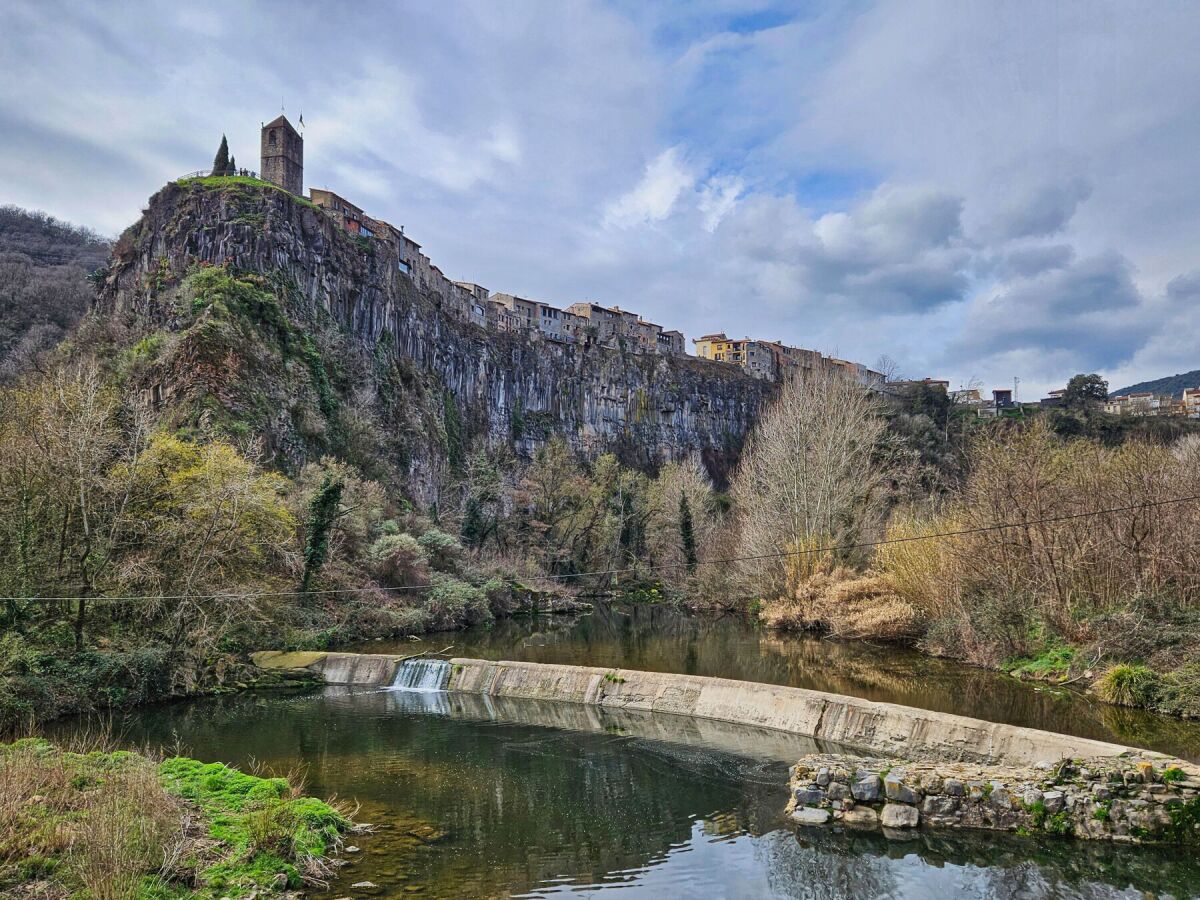
Just a short drive away, Castellfollit de la Roca will leave you in awe with its dramatic setting—perched on a narrow basalt cliff formed by volcanic lava flows, offering some of the most breathtaking views in Catalonia.


Whether you’re a history lover, a photography enthusiast, or simply seeking a tranquil escape from city life, this day trip promises a delightful blend of culture, scenery, and the authentic Catalan charm.

From Blanes → Besalú

You can take the train from Blanes (via Maçanet‑Massanès) to Girona on the regional rail line R11 (Rodalies de Catalunya). Then, from Girona Estació d’Autobusos, take a local bus on operator Teisa to Besalú. Duration: approximately two hours and 44 minutes, and costs about €10-18

 Note: There is no direct bus from Blanes to Besalú; a transfer is required.

Tip: Check train times in advance (for seniors, it’s helpful to allow extra time at transfers), and ensure the bus to Besalú arrives during daylight hours.


From Barcelona → Castellfollit de la Roca

One option: Take a train from Barcelona (e.g., from Barcelona‑Sants Station) to Girona. Then from Girona Estació d’Autobusos a bus to Castellfollit de la Roca.

Duration: Approximately 2 hours and 30 minutes to 3 hours, depending on connection and waiting times. Costs around €16-25.


 Another option: There are direct bus services from Barcelona (Gran Via area) to Castellfollit de la Roca (but infrequent).

 Tip: For senior travellers, the train-and-bus combo via Girona may be more comfortable (take the train first, then a short bus). Please make sure the bus from Girona arrives in daylight (especially in the winter months when daylight is shorter).

-Morning in Besalu- A Medieval Dream

You don’t need a long itinerary here—just walking around is the main activity.

If you’re a fan of photography or history (or just beauty in general), Besalú will definitely hit the spot.

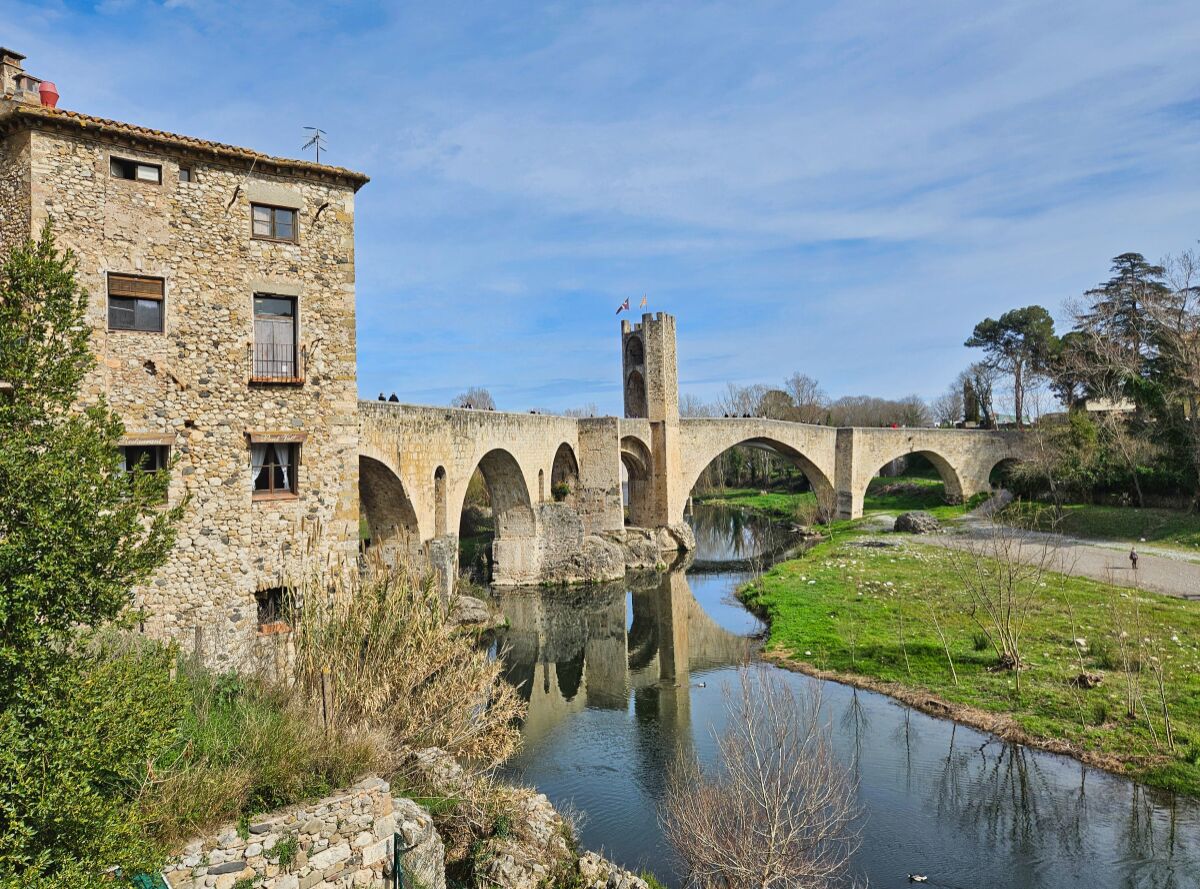
We started our morning in Besalú, and wow—what a way to begin the day. The moment I saw the iconic medieval bridge, I was struck by its beauty. The stone arch bridge crossing the Fluvià River is one of the most photographed spots in the region—and for good reason. It’s a sight to behold, absolutely stunning.


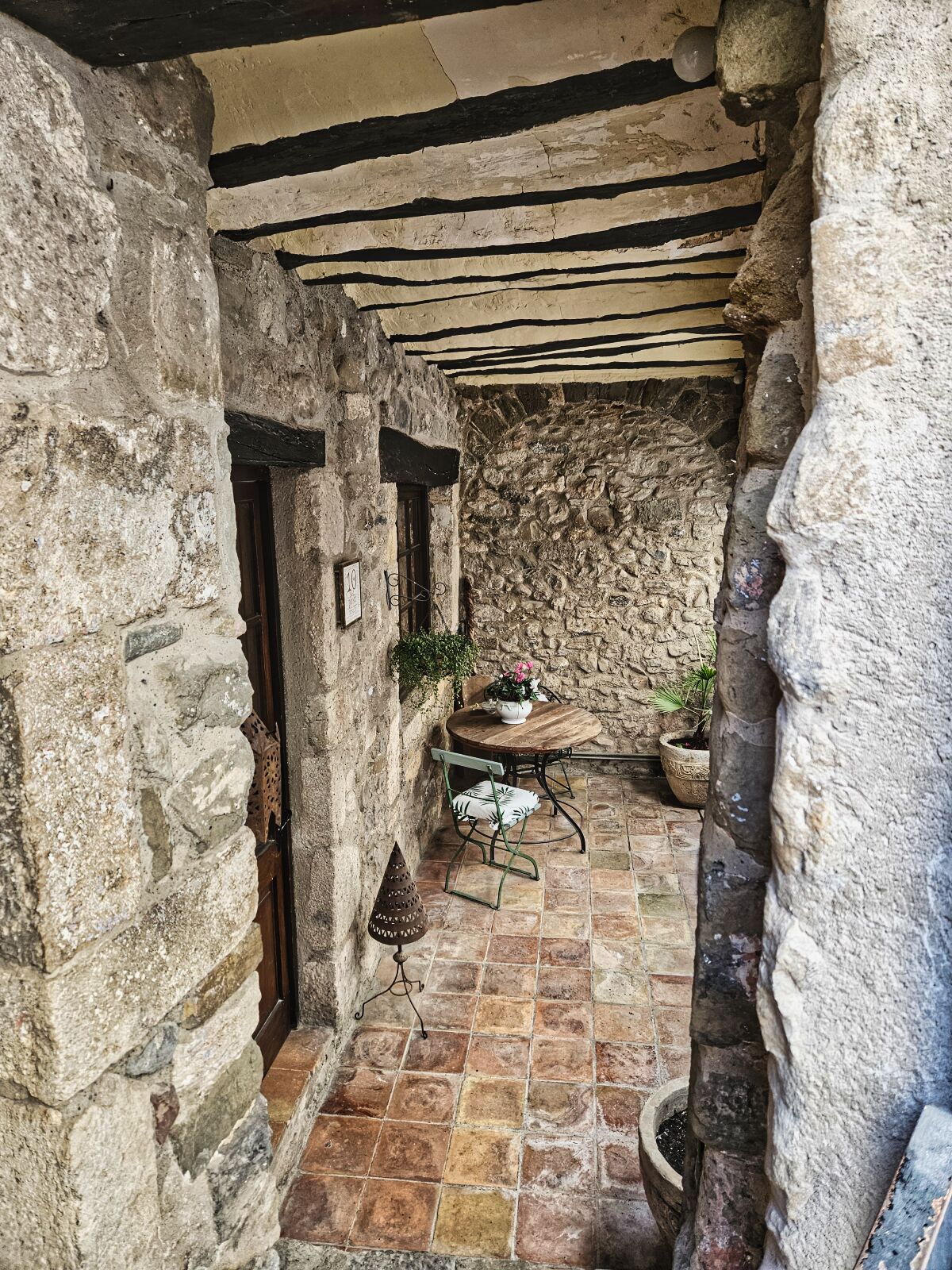
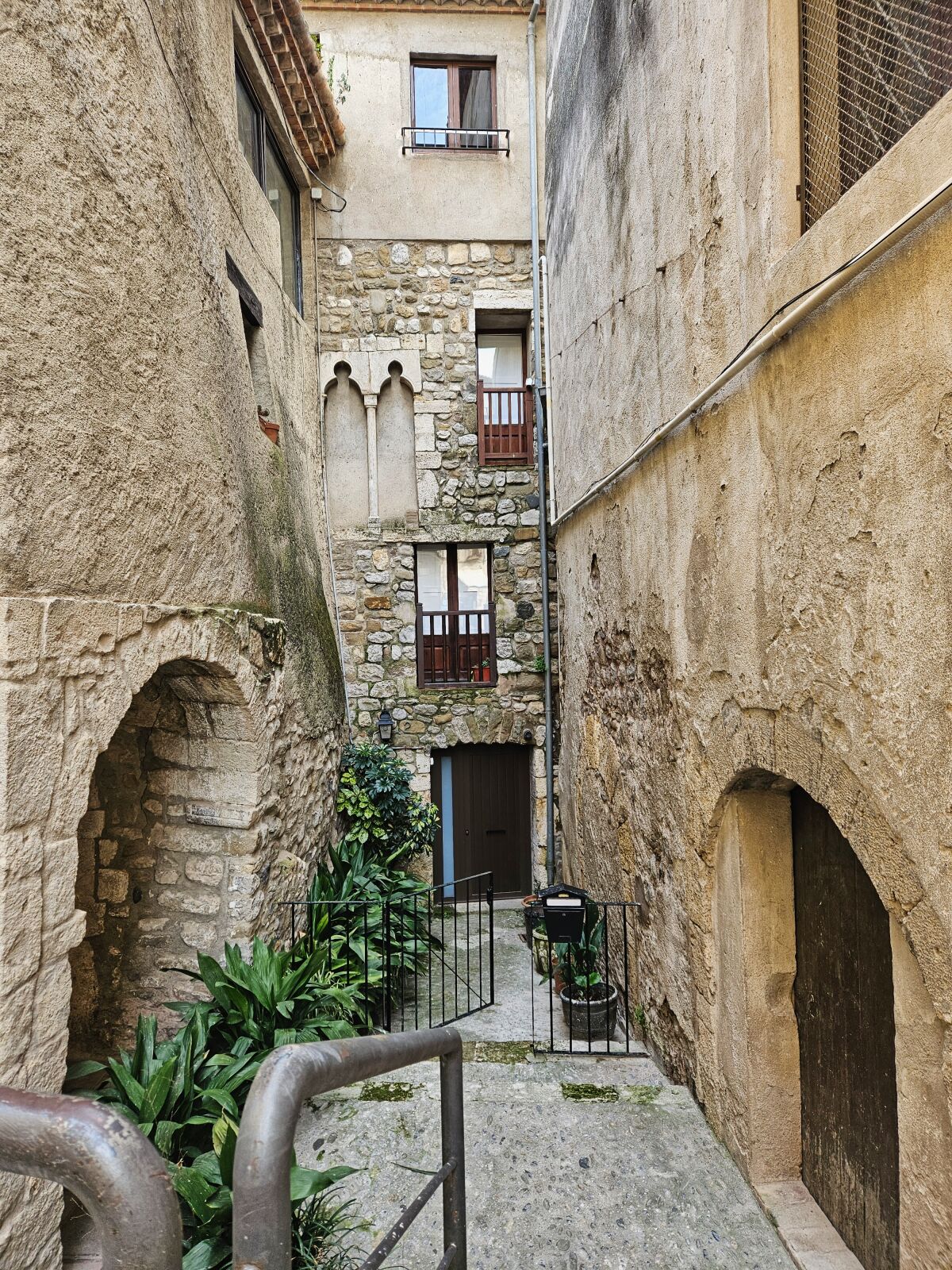
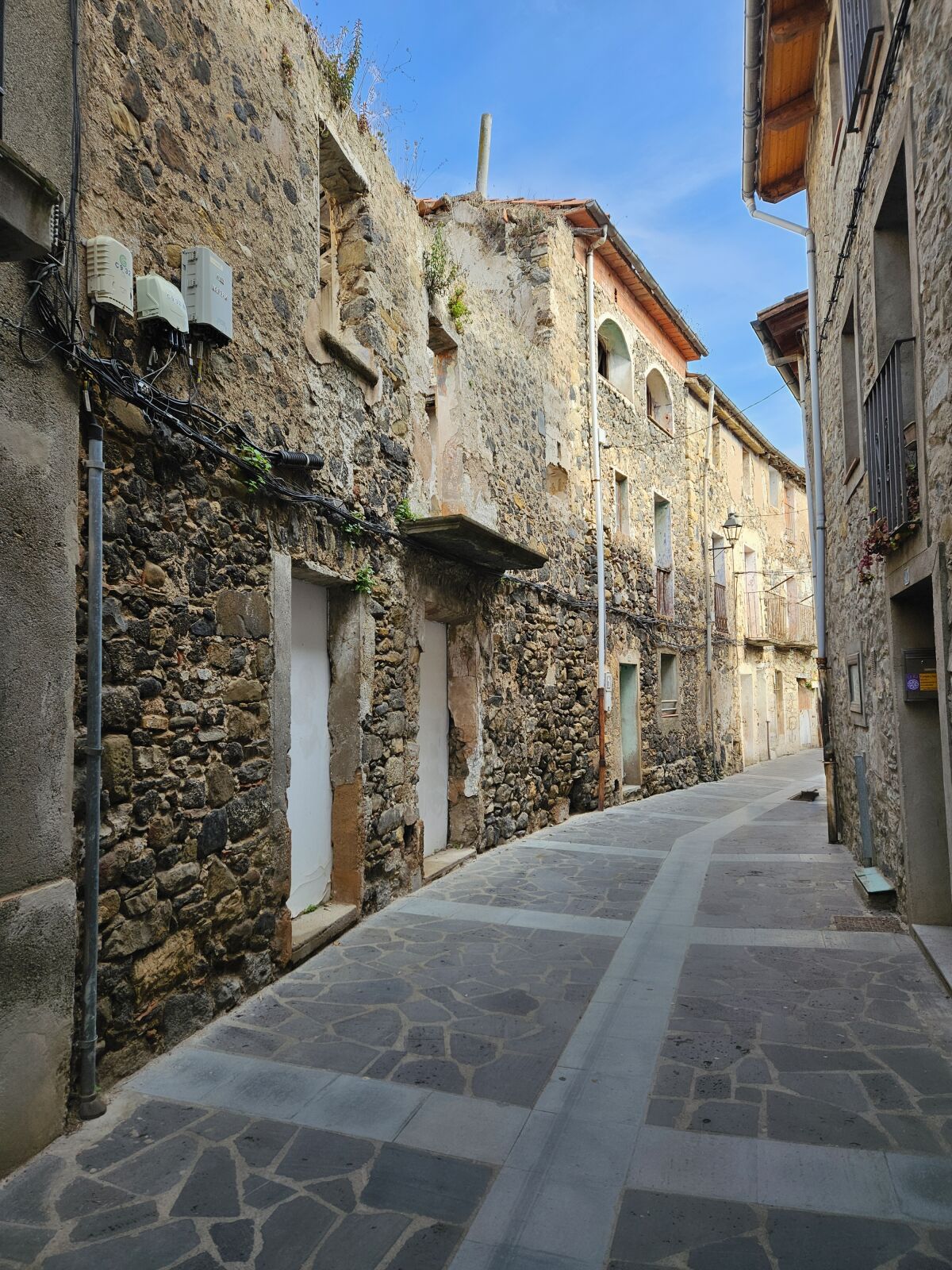
Wandering through the cobblestone streets, I found myself lost in time. I stumbled upon a local artisan who shared the history of his family’s shop, and it felt like I was living in a fairytale village. The narrow alleys, stone houses, and cute cafés tucked away in corners added to the charm of this picturesque town.


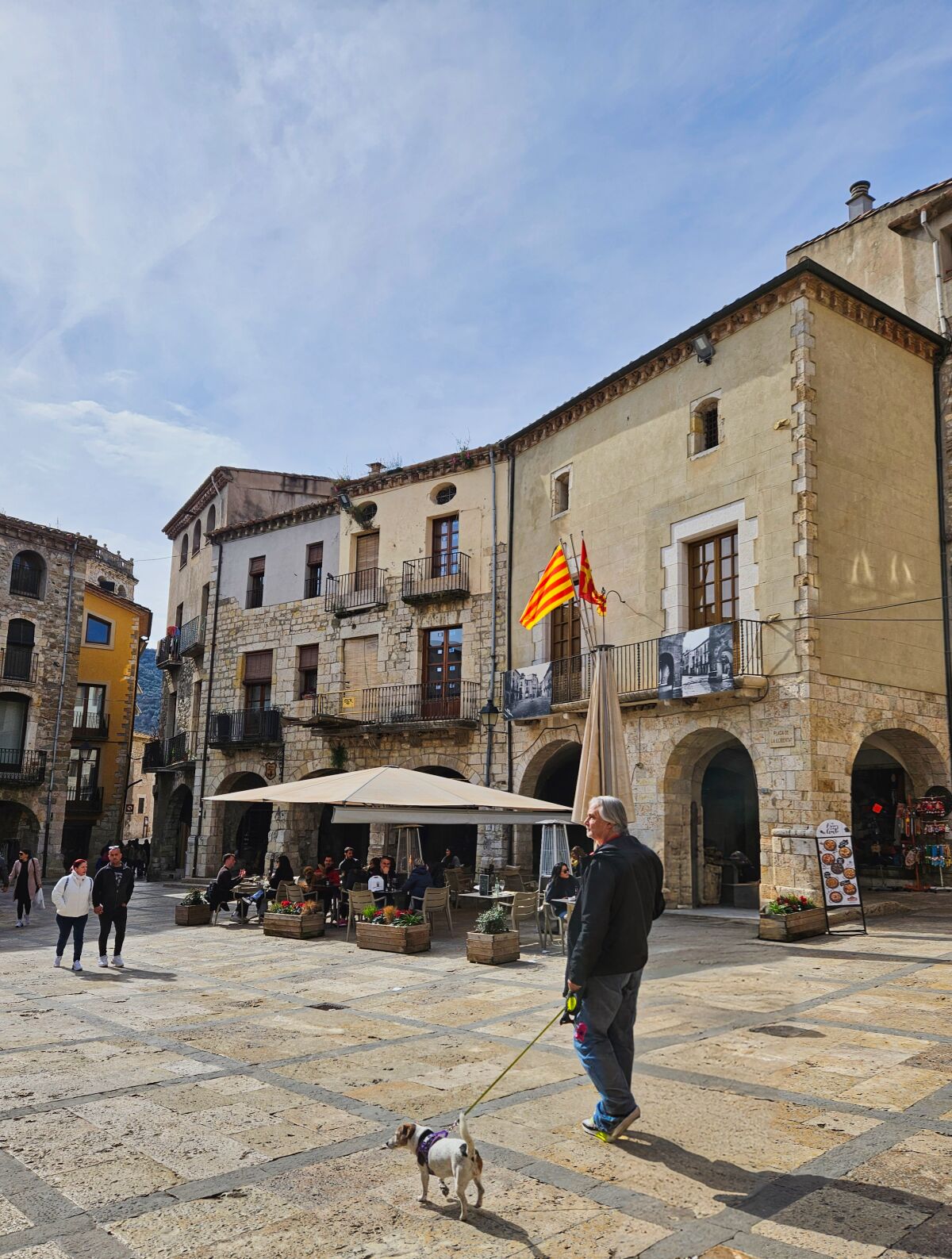
Placa Llibertat in Besalu’s centre is a beautiful medieval square surrounded by buildings. The tourist office is located here, housed in the delightful 13th-century Casa de la Vila. 


If you’re planning a visit, Tuesday is the perfect day. The lively market in the square is a vibrant hub of local culture. You’ll find a diverse range of fresh produce, artisanal crafts, and traditional Catalan delicacies. The air is filled with the aroma of freshly baked bread and the sound of locals bargaining for the best deals.


Leave the square on Calle Tallaferro and admire the beautiful buildings; the ruins of Sant Maria are located on this street.


The churches of Sant Vicenç and Sant Pere are both steeped in history and worth a visit. Both are Romanesque churches, with Sant Pere being the only part of Besalu’s Benedictine monastery that remains, a fascinating piece of the town’s past. 


The Sant Vincenc church is an oasis of tranquillity, with a charming flower-shaped stained glass window above the altar. It’s nestled in a beautiful square, offering a serene spot to relax and enjoy a drink or a meal.

Exploring Besalú’s Rich History

Besalú’s fascinating history spans from its Roman beginnings to its medieval prominence and its distinctive Jewish heritage, making it a treasure trove for history enthusiasts. As you wander through the narrow cobblestone streets, imagine the bustling marketplace and vibrant religious life in centuries past.


Explore Besalú’s enchanting medieval town with its captivating Roman roots, Jewish heritage, and the iconic 11th-century Medieval Bridge! Discover Gothic & Romanesque churches, and 12th-century Ritual Baths.


The town’s architectural marvels, including the 10th-century monastery, 14th-century castles, and the remarkable 12th-century medieval synagogue, stand as enduring symbols of Besalú’s glorious past and cultural richness.

-The Medieval Bridge

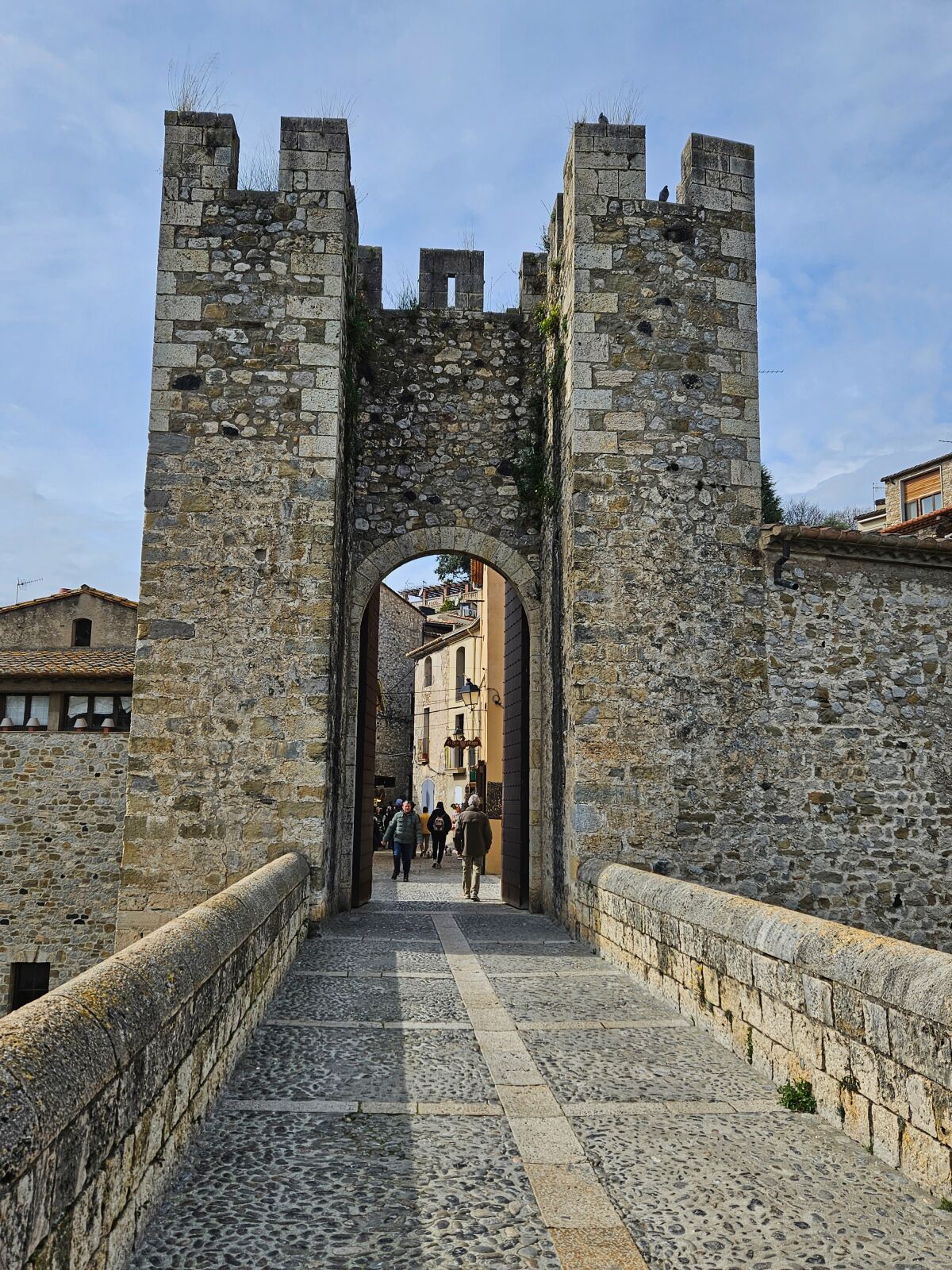
The medieval bridge, Besalú’s most iconic symbol, stands as an engineering marvel from antiquity, offering breathtaking views and opportunities for photography. Built in the 11th century, the bridge spans the River Fluvia and features seven arches, two towers, and a bend in the middle. 

The bridge was originally a defensive fortification and a toll bridge, with its two imposing towers guarding the town’s entrance. Pause to marvel at this awe-striking structure, I appreciate the craftsmanship of those who constructed it centuries ago.

-Churches of Besalú

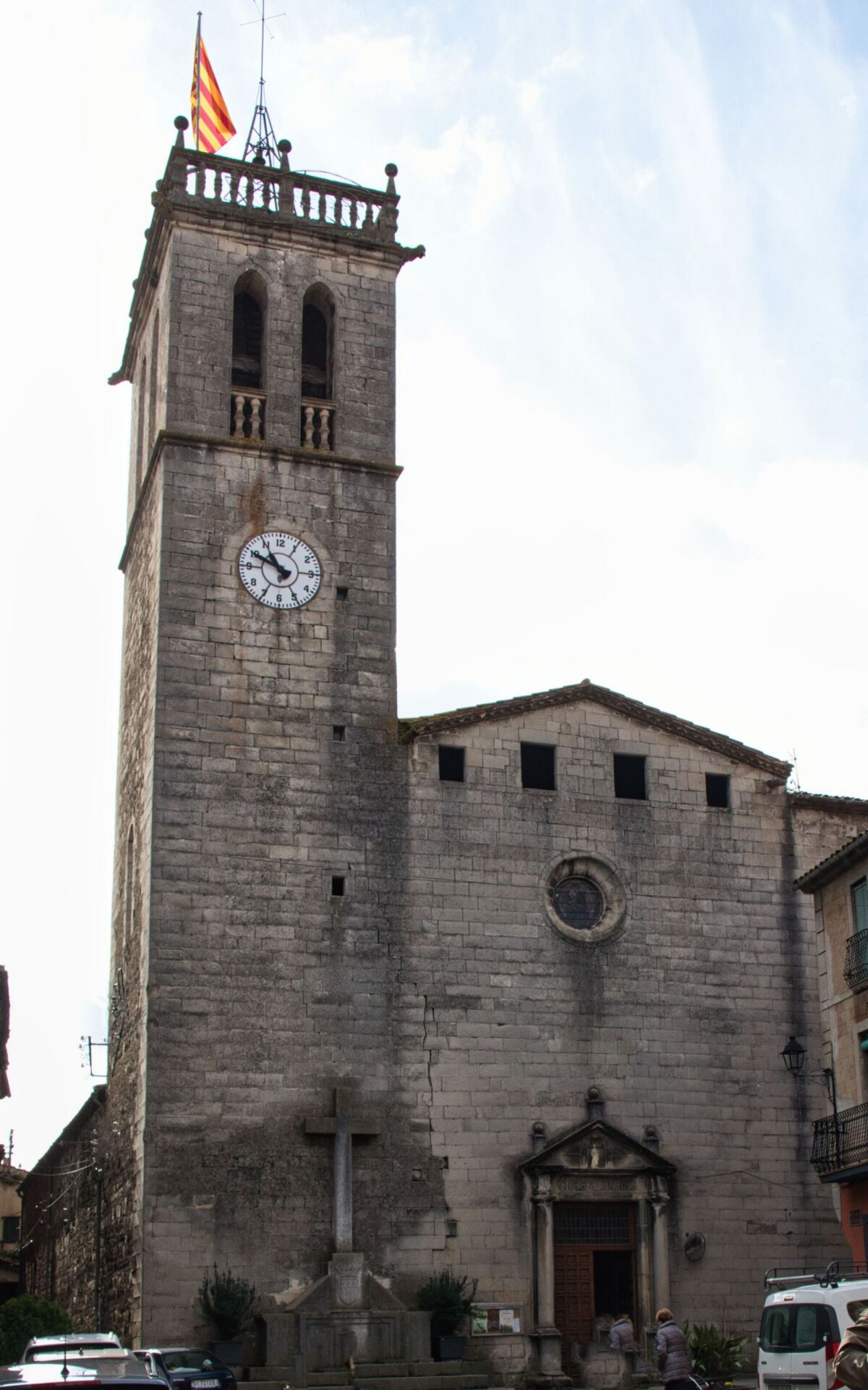
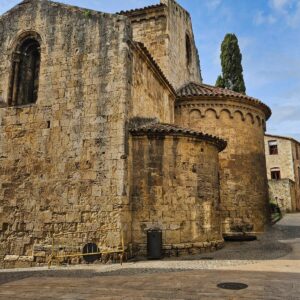
Several exquisite churches in Besalú each display a unique fusion of Gothic and Romanesque architectural styles. The Monastery of Sant Pere, a basilica-style church that once belonged to the Benedictine order, is an architectural gem worth exploring. The Church of Sant Vicente de Besalú, on the other hand, is the town’s parish church, dating back to around 977. old churchBuilt with Romanesque and Gothic elements, it serves as a remarkable example of Besalú’s diverse architectural heritage.
-Strolling Through Cobbled Streets

Discover the charm of Besalú’s cobbled streets, where architectural gems, local crafts, and a lively town square invite you to explore this captivating destination.

 As you explore, visit local shops offering handmade crafts like intricate music boxes, traditional pottery, woven baskets, and ratafia liqueur-perfect keepsakes that support artisans and capture Besalú’s charm.


Bustling with activity, the town square, which is the heart of the town center, is encircled by cafes, restaurants, and historic edifices. Whether you’re sipping a coffee at the charming 10 del Pont cafe or enjoying a delicious meal at one of the popular dining spots like Pont Vell or Curia Reial, the lively atmosphere of the town square is sure to captivate you. 


As you relax and soak in the ambiance, take a moment to appreciate the picturesque surroundings that make Besalú a truly enchanting destination.

Old Town of Sant Feliu de Pallerols- Small stop

On our way to Castellfollit de la Roca, we pause in the Old Town of Sant Feliu de Pallerols, a charming medieval refuge steeped in history. Located just 28 minutes from Castellfollit de la Roca, it offers a convenient and fascinating stop on your journey. 

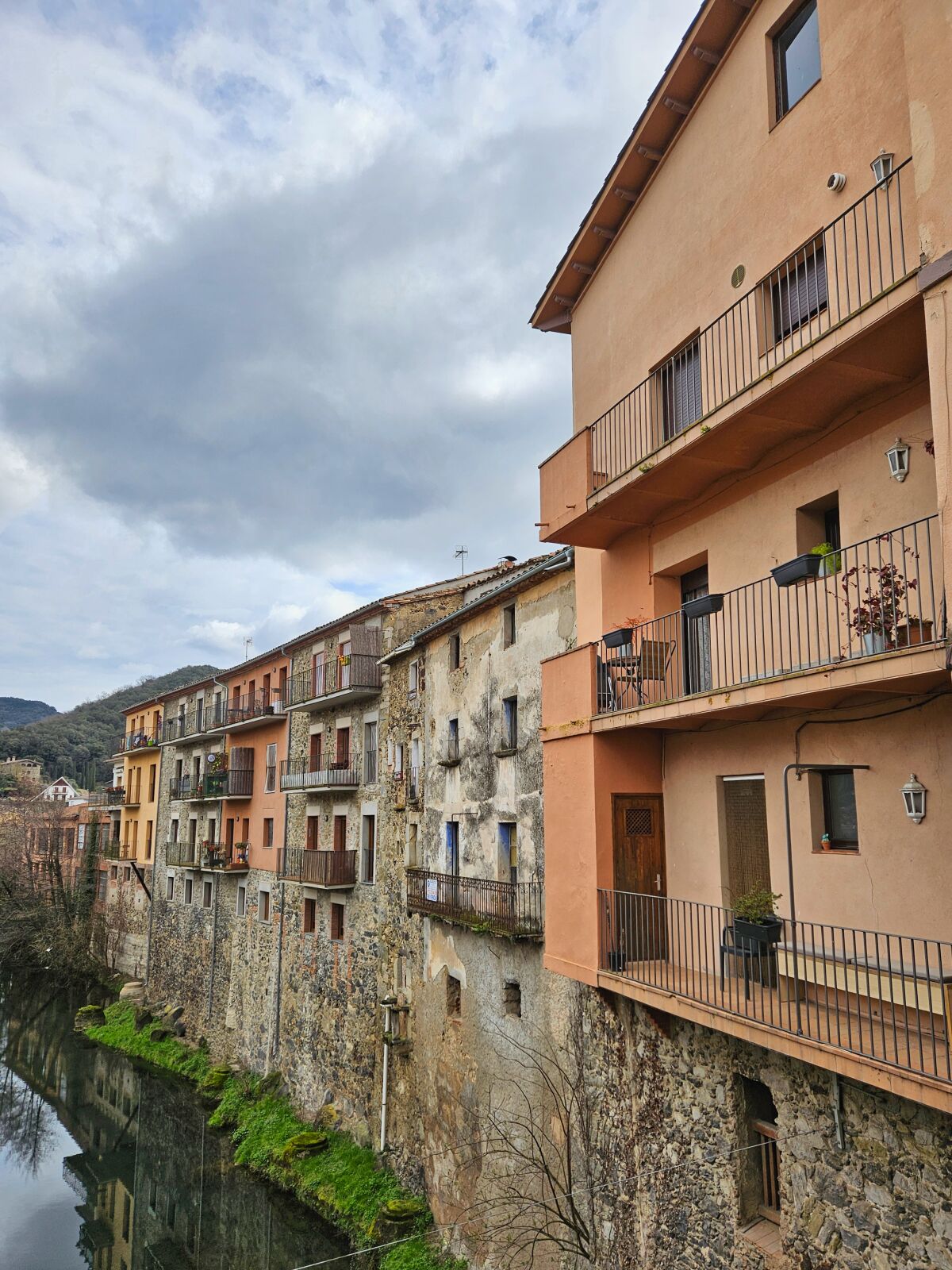
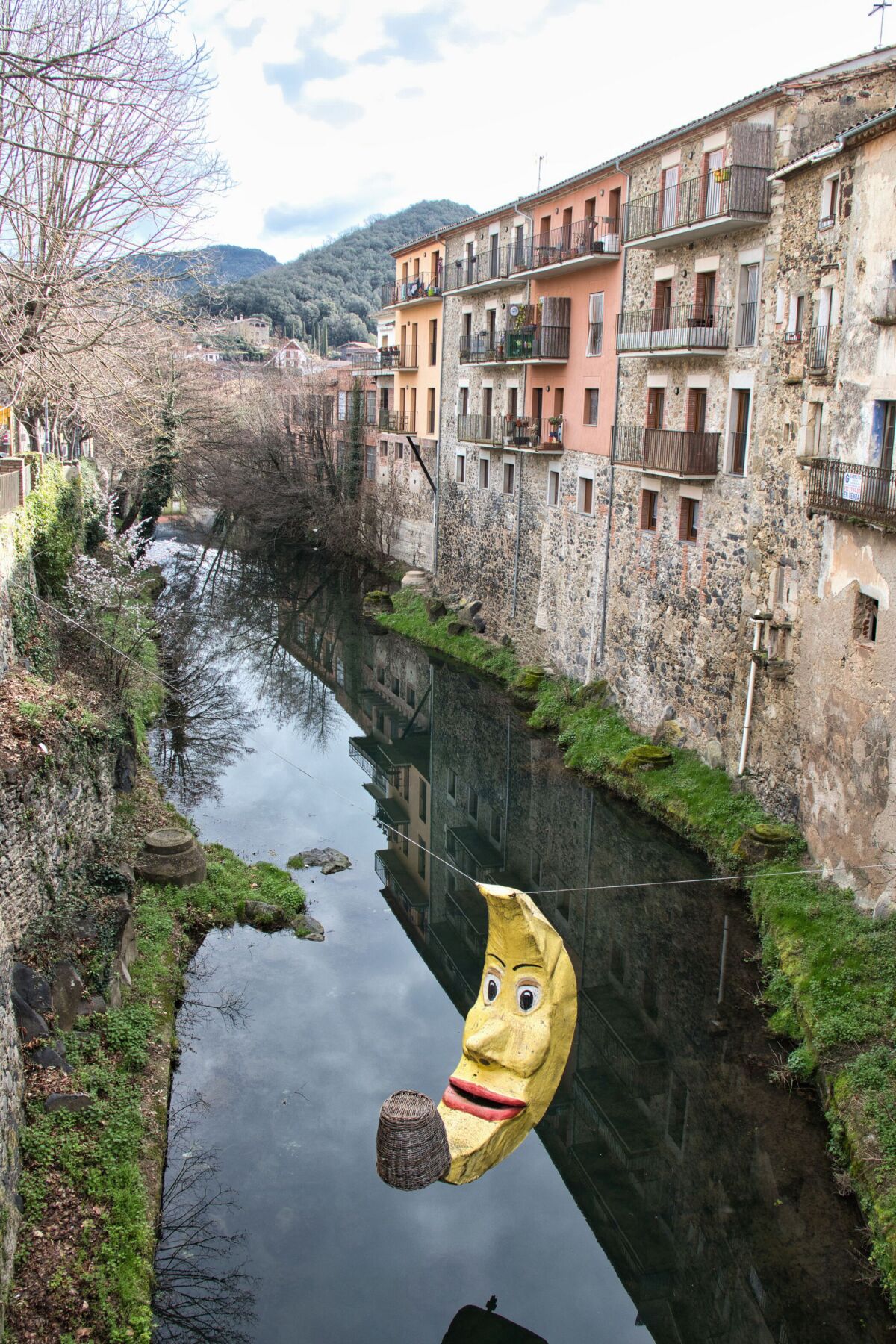
You will find it in the heart of the Hostoles valley, a village that encapsulates its history in cobbled streets and charming houses, with La Luna hanging over the small stream, and the Placa de l’Esglesia.


Don’t let its size deceive you; Sant Feliu de Pallerols is a hidden gem filled with cultural and scenic surprises. Its winding medieval lanes, historic church, and the gentle sounds of the Brugent River create a captivating atmosphere waiting to be explored.


The dramatic volcanic landscape that envelops it adds a unique twist, making this village a playground for the adventurous.

Whether you’re sipping a coffee or simply basking in the village’s unhurried pace, a few hours here can be a thrilling adventure. The variety of activities available ensures there’s something for everyone, from the leisurely to the more adventurous and how to make the most of your brief time in this inviting Catalan gem.


The best times to visit are spring and summer, when the weather is mild, and the landscapes burst into full bloom. Sometimes the smallest stops become the most memorable moments of a trip… and Sant Feliu de Pallerols is precisely that kind of place.

Then On to Castellfollit de la Roca – A Village on the Edge

After lunch in Besalú and a brief stop in San Feliu, we headed to Castellfollit de la Roca, a village perched on a cliff about 20 minutes away, offering stunning views.

With a truly unparalleled view, Castellfollit de la Roca may be small enough to explore in under an hour. Still, its unique charm leaves a lasting impression, making it a must-visit destination. 


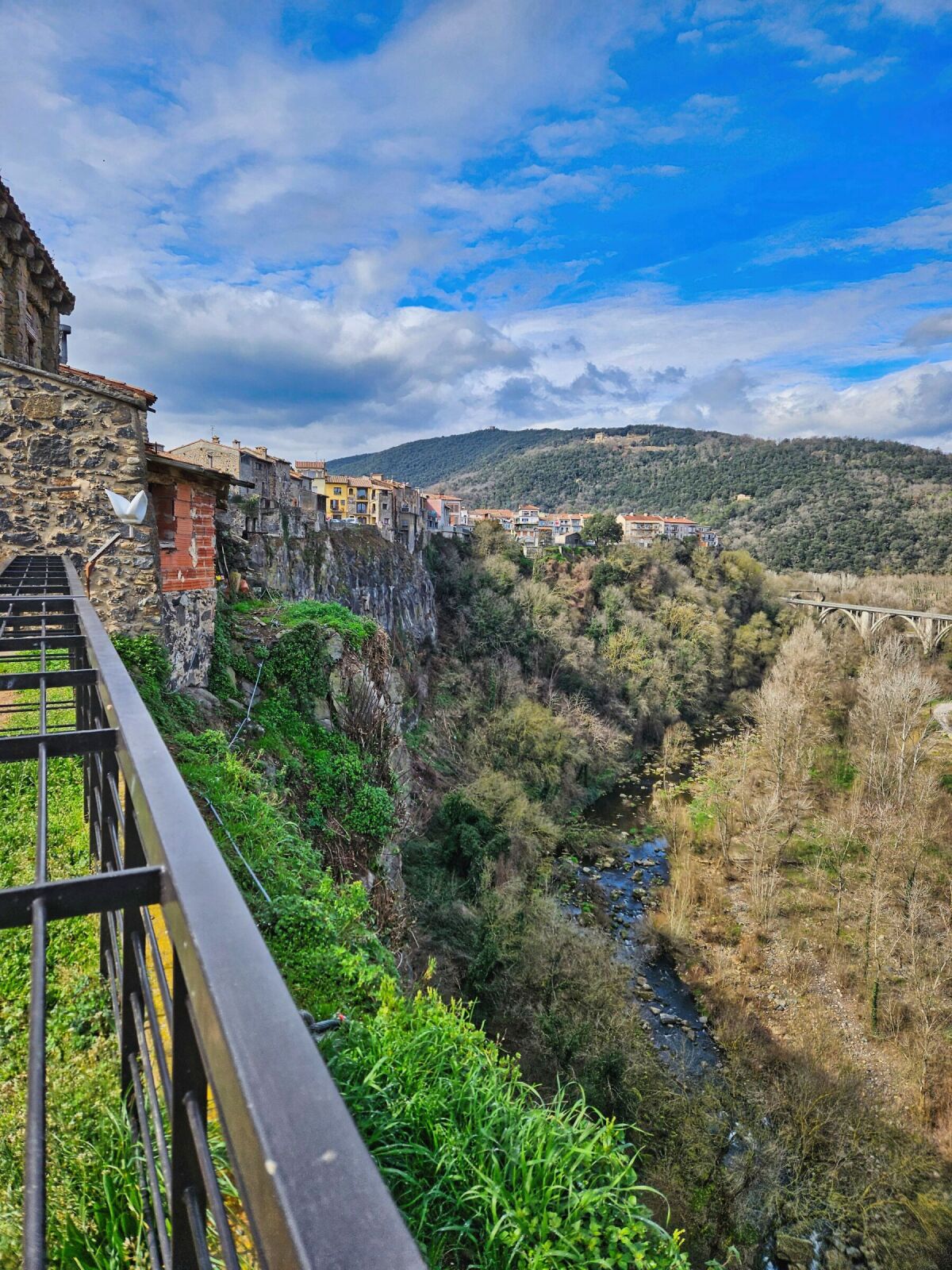
The town sits on a narrow strip of basalt rock, with a sheer drop on both sides—it appears to defy gravity. Walking down the main street feels surreal, especially knowing there’s nothing but a vertical cliff just behind some of the houses, highlighting the area’s dramatic geology.


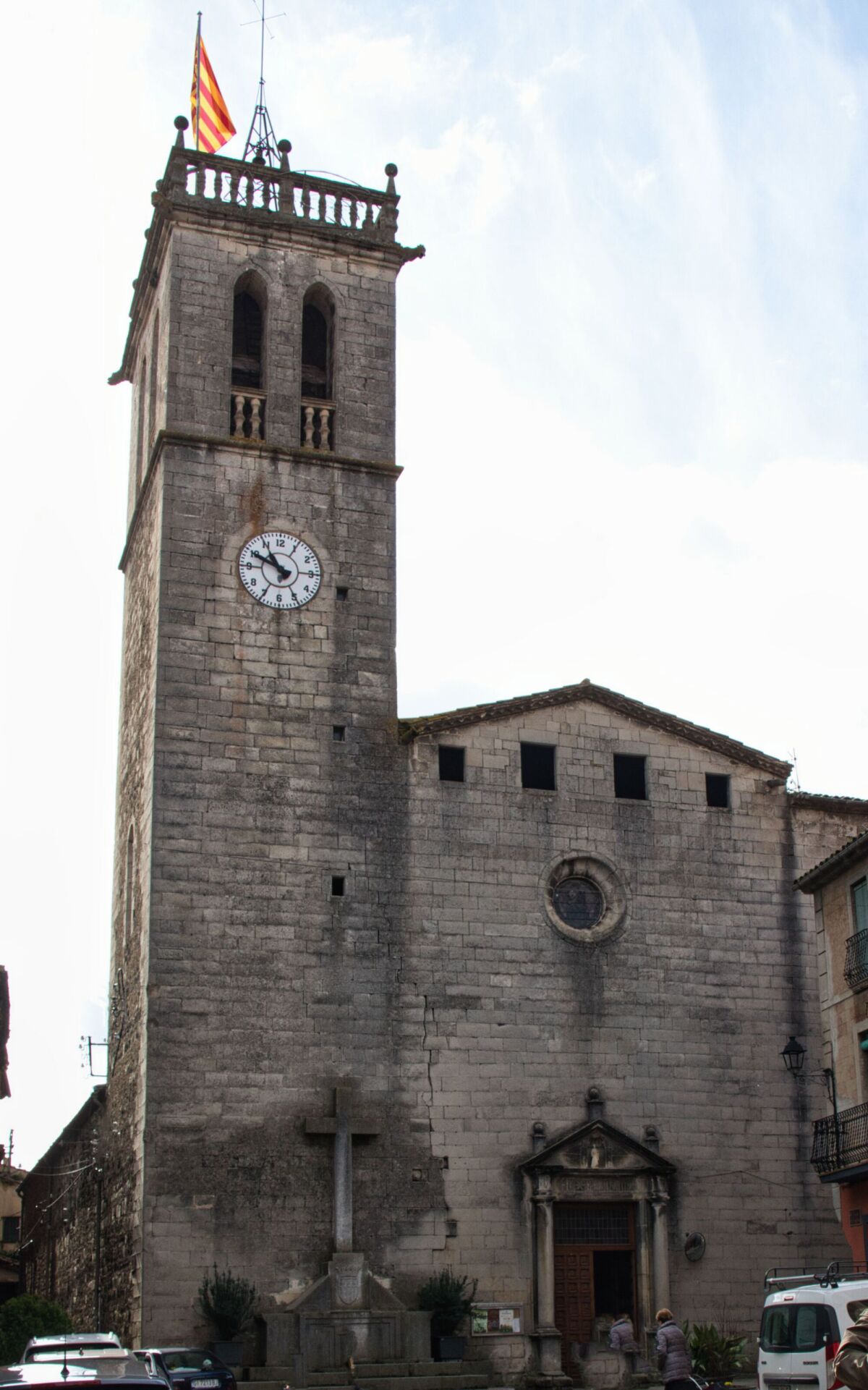
We made our way to the viewpoint at the edge of the village, near the old church, and the view over the valley was breathtaking. You can see layers of volcanic rock and lush green landscape all around. The viewpoint behind the church of Sant Salvador offers a panoramic view of the valley and the rivers below, making it an ideal spot to take in the stunning landscape and capture memorable photos.


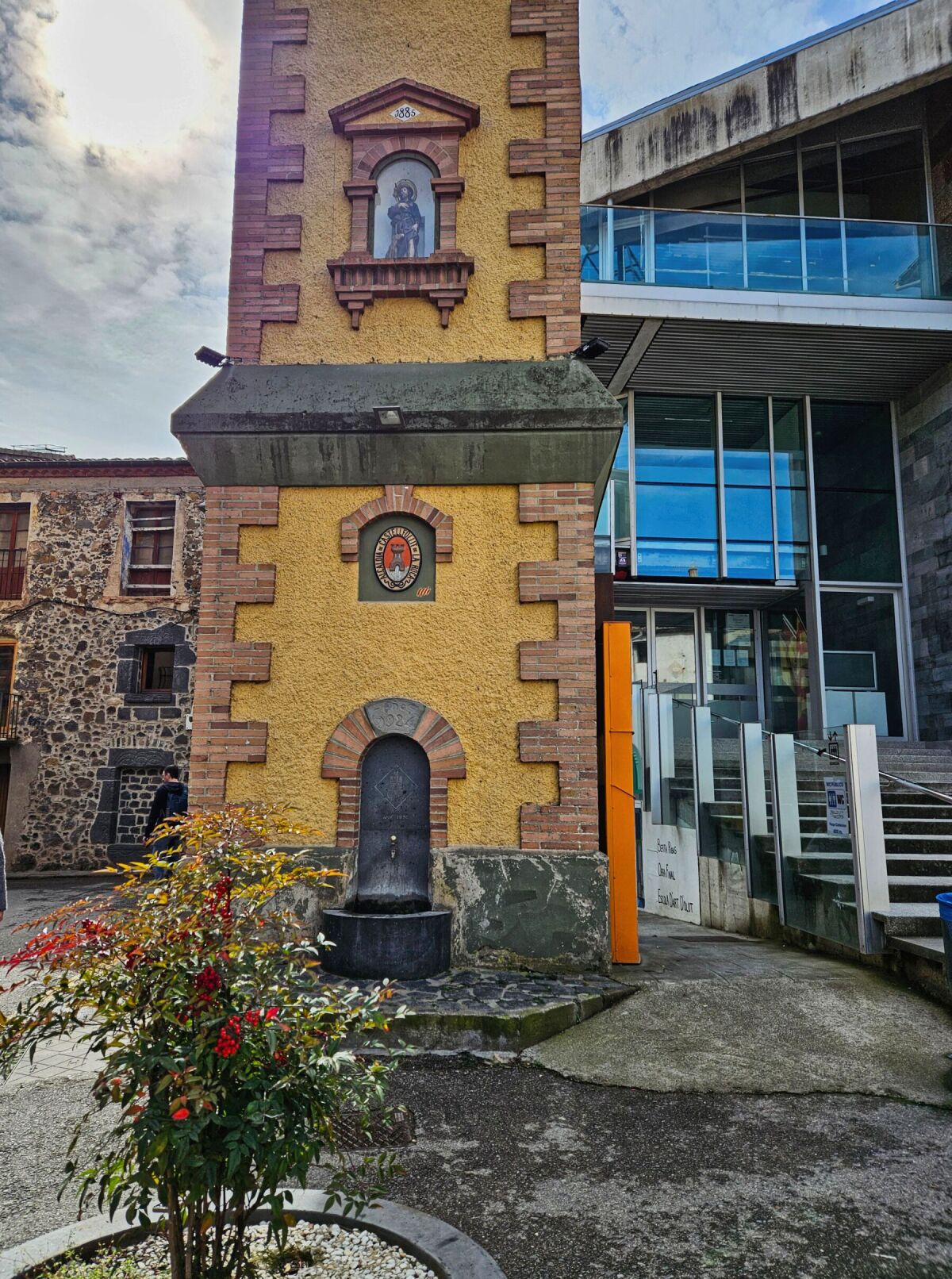
Strolling through the narrow cobbled streets feels like walking back in time.


3 Key highlights

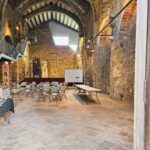
-Sant Salvador Church: Dating from the 13th century and updated in late Renaissance style, it features a square bell tower with openings on each side and a dome crowned with decorative pilastersinside de Lesglesia
-Josep Pla viewpoint: Located beside the church at the cliff’s end, this panoramic terrace reveals sweeping views of the rivers below and the Garrotxa scenery beyond 

-Museu de l’Embotit (Cold‑Cuts Museum): A quirky and free local museum showcasing Catalan charcuterie traditions, with tastings of artisan sausage and ham.

Castellfollit de la Roca may be small, but it delivers big on character, spectacle, and serenity. It’s a Catalan gem that feels both timeless and otherworldly—ideal for explorers who want natural beauty, history, and a touch of magic.

Day Trip Info!!

This is the fun part! For bucket-list activities, I usually check.

Things To Do in Besalu.

Tripadvisor.   Viator,  

Get your guide


Castellfollit de la Roca

TripAdvisor, Viator, and GetYourGuide.


Sometimes one has tours that the other doesn’t, so I always browse both—why limit myself, right?

“Get Your Guide”, which offers a wide range of tours for every interest and budget.

Travel Guide

More Resources Info….

Conclusion:

A day trip through Castellfollit de la Roca, Besalú, and Sant Feliu de Pallerols is the perfect blend of dramatic landscapes, medieval charm, and small-town warmth. 


From the jaw-dropping basalt cliff of Castellfollit to the storybook streets of Besalú and the peaceful village life of Sant Feliu, each stop sparks curiosity and invites you to explore its unique charm.


Whether you’re exploring ancient bridges, savouring local cuisine, or simply soaking in the scenic views, this trio of Catalan gems offers a calming, enriching escape that invites you to unwind and enjoy the moment. 


It’s the kind of day that leaves you with lasting memories—and a wish to return.

You should consider renting a car or checking local bus schedules to navigate between these scenic spots easily.

Day Trips From Blanes

Blanes pin

Peratallada-Pals-Monells

Leave a Reply

Your email address will not be published. Required fields are marked *