The Best 4-Day Itinerary in Barcelona
Barcelona, a city that never fails to amaze with its unique blend of history and modernity, is a place we’re visiting for the second time. The first time, we had just a day to explore before embarking on a cruise; this time, we’re thrilled to be planning a longer stay to immerse ourselves in its beauty fully.
Barcelona, like many popular destinations, has been grappling with overtourism in recent years. This puts significant strain on locals and the environment. It’s essential to be mindful of this and consider visiting during less hectic times. Booking accommodation outside the city center can also help alleviate the pressure. We usually stay close to “La Rambla”( you can walk everywhere).
With so much to see and do in and around Barcelona, where do you begin? Here is our 4-day itinerary.
Day One
Taxi (€30) from the airport to the hotel near La Rambla.
Arriving early in the morning and finding the room unprepared, we hid our bags and left for the day. The hotel is only one star, but it is spotless, the rooms are nice, and the beds are comfortable.
We love walking. This is an excellent way to get to know a new city, see the main sights, and learn some history in the process. Depending on the itinerary, we usually walk or take the hop-on, hop-off bus.
If you like walking, you might look into:
You can also check out Get Your Guide, as they offer a wide range of tours for every interest and budget.
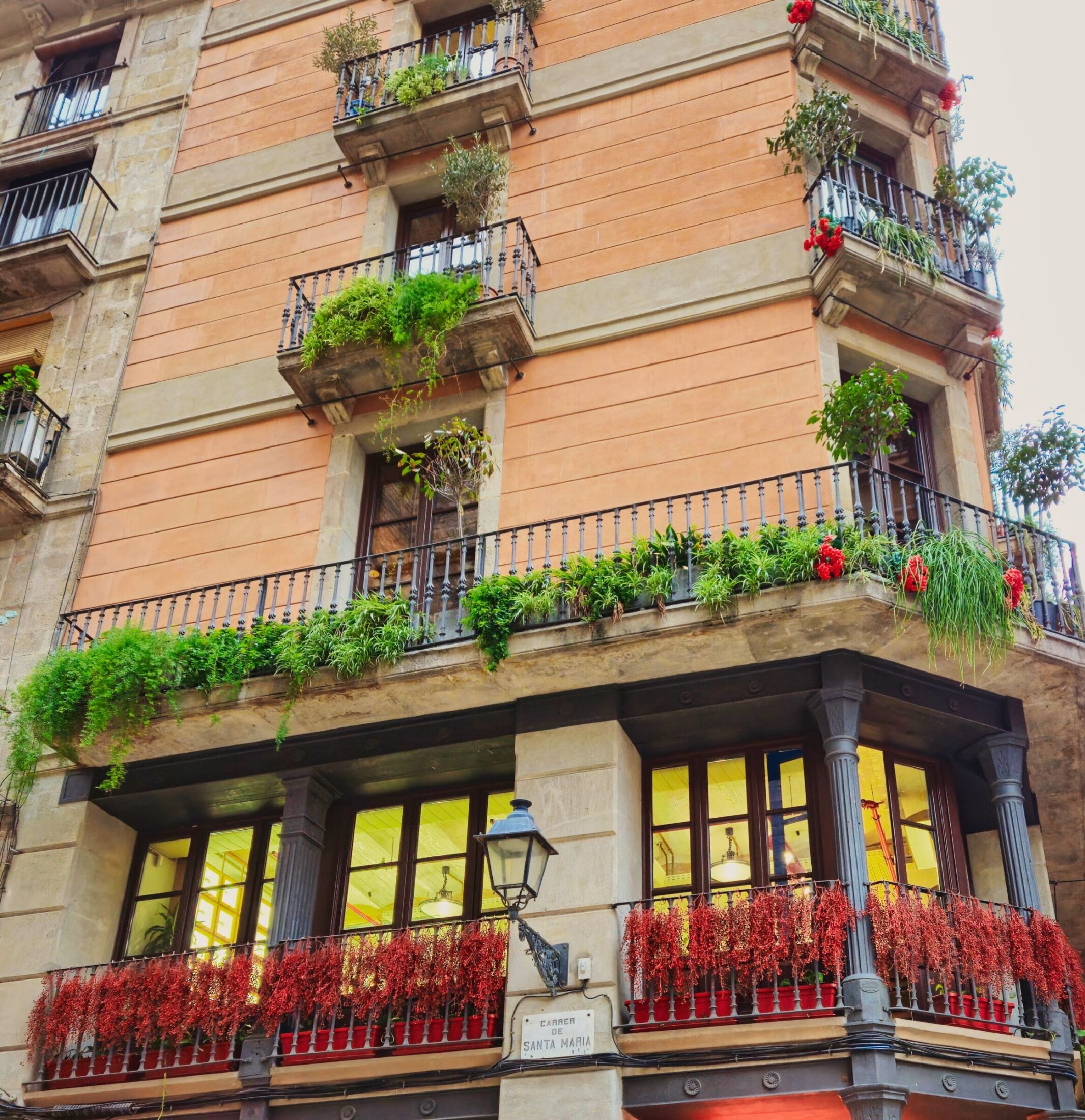
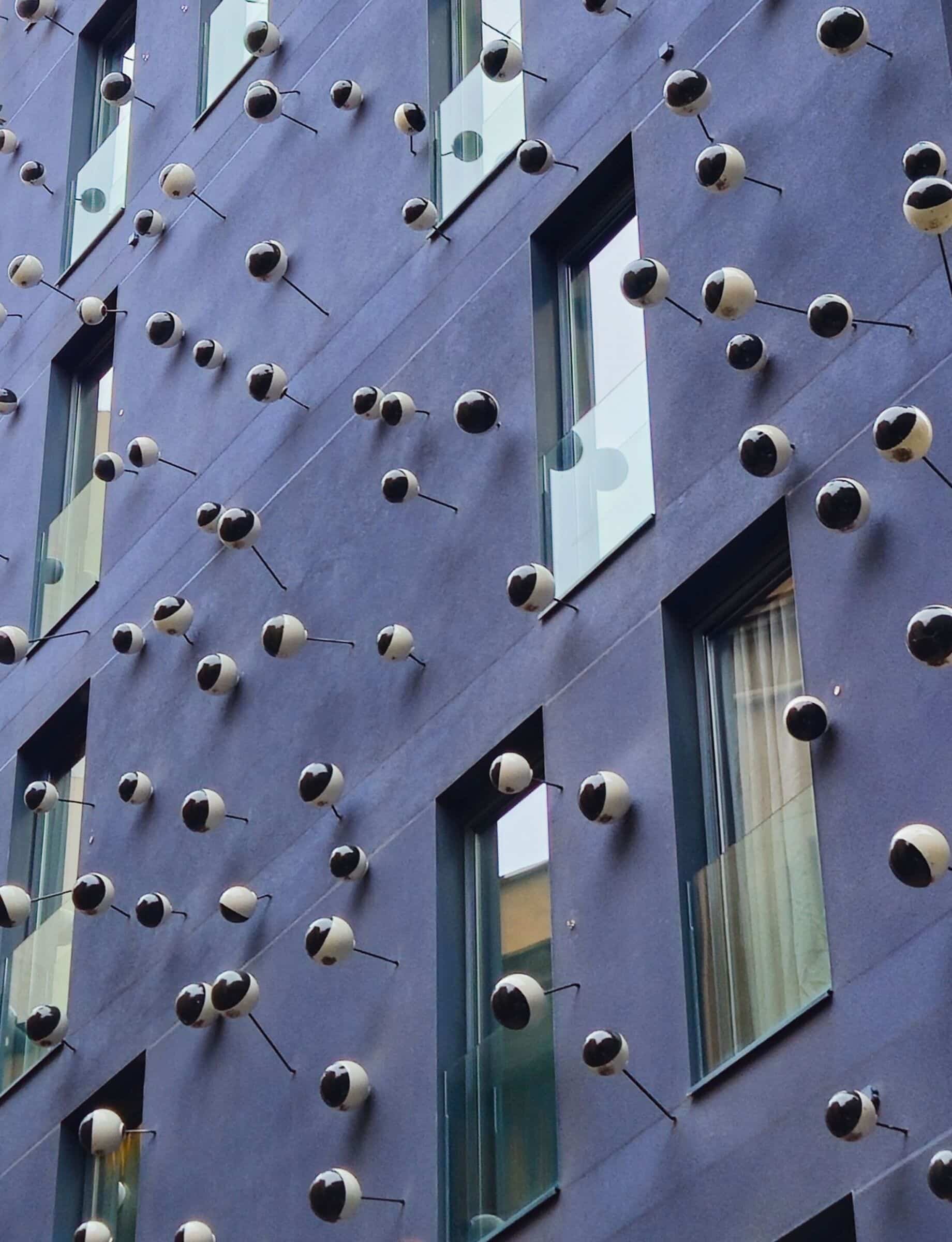
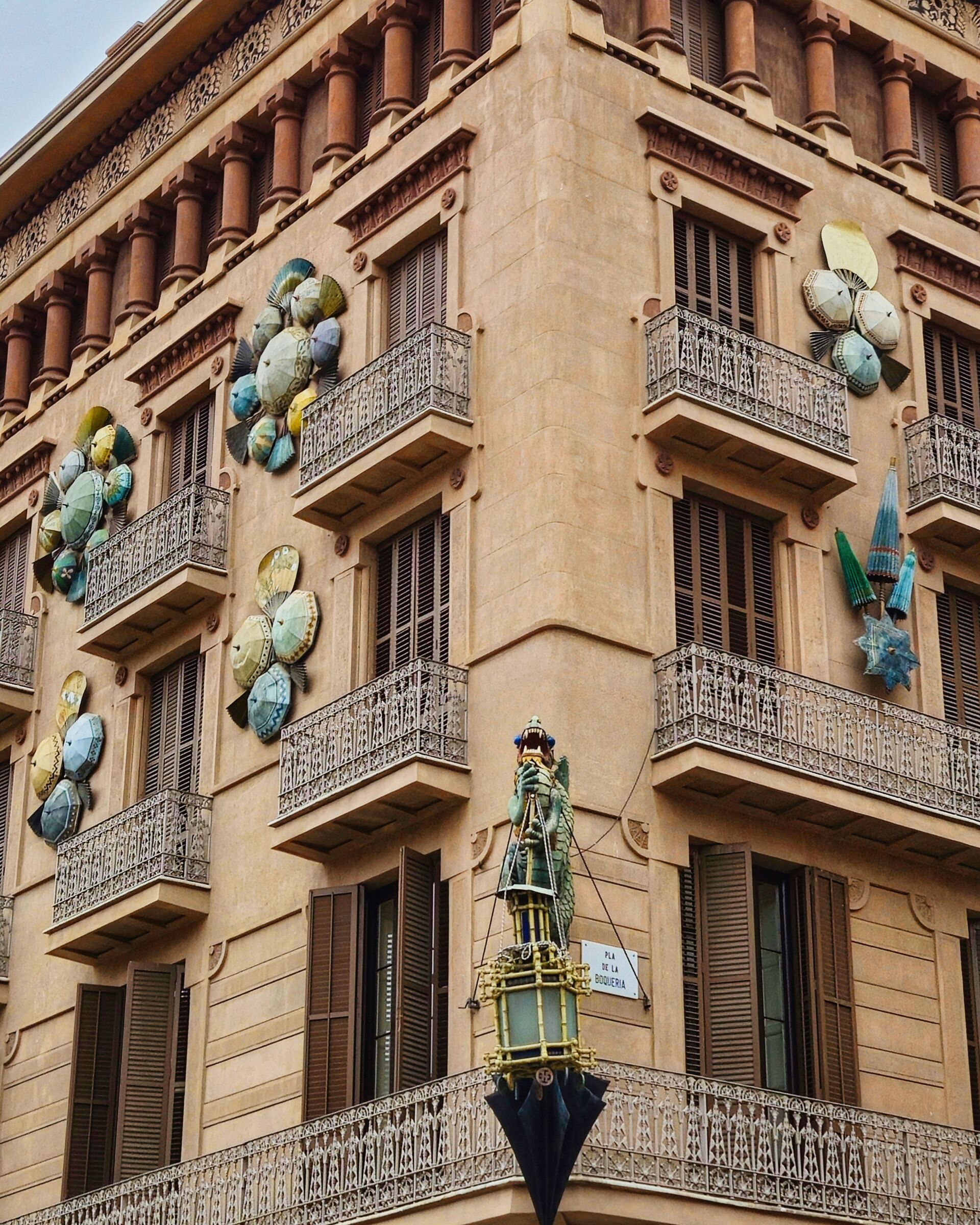
Our exploration led us to Gaudí and other architectural marvels. Barcelona’s architecture, a vibrant blend of historical and modern styles, is a testament to the city’s commitment to artistic expression and innovation. This diversity makes Barcelona one of the most architecturally inspiring cities in the world.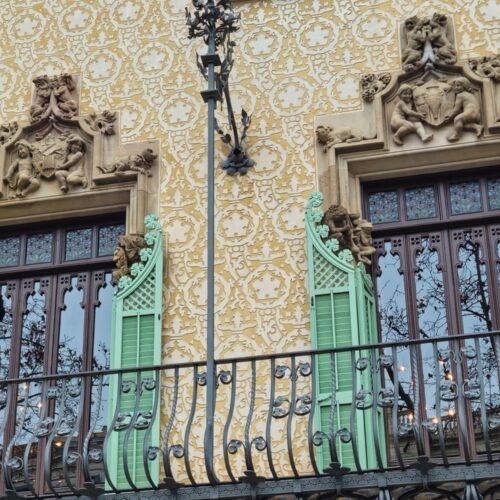
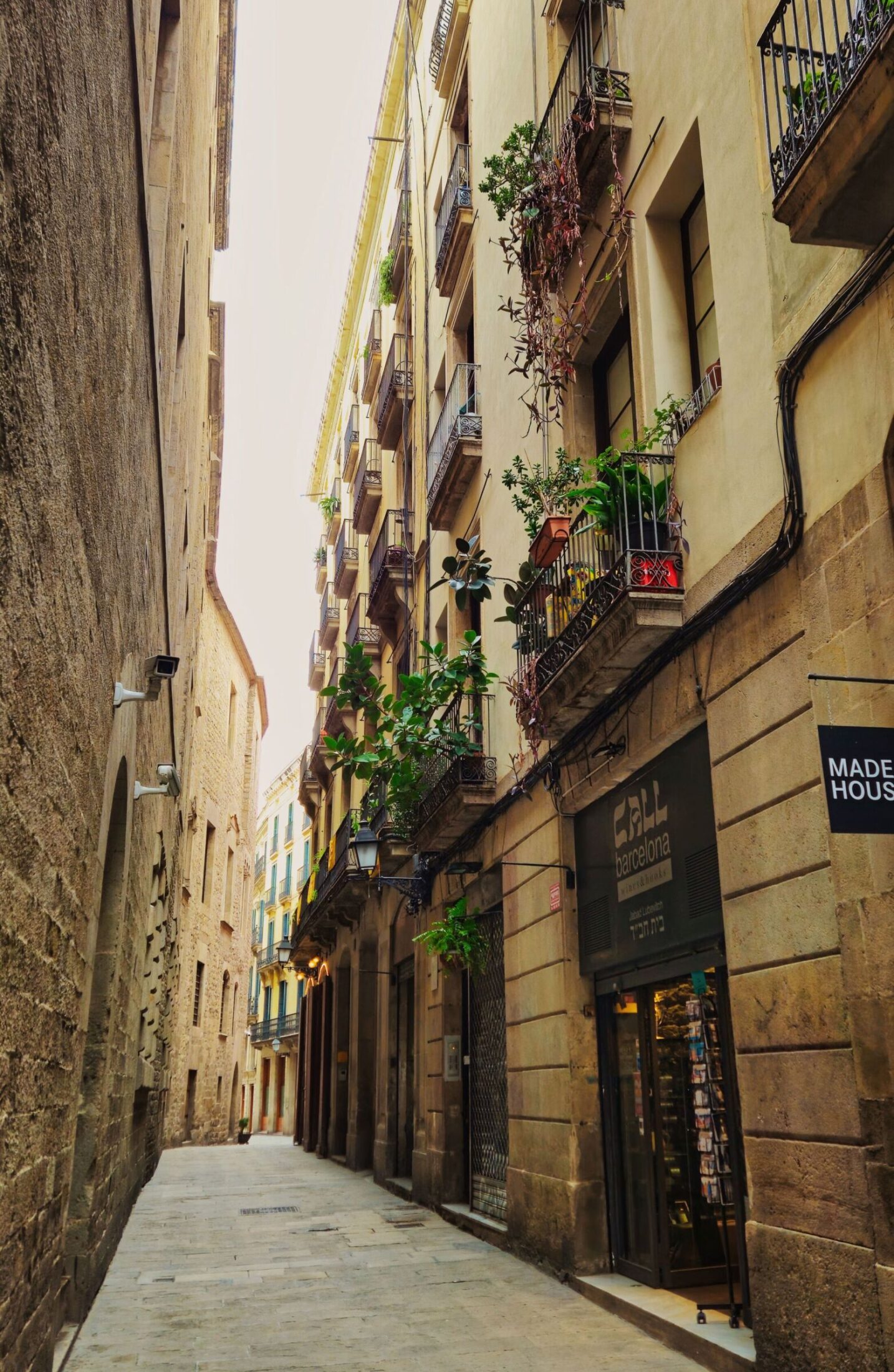
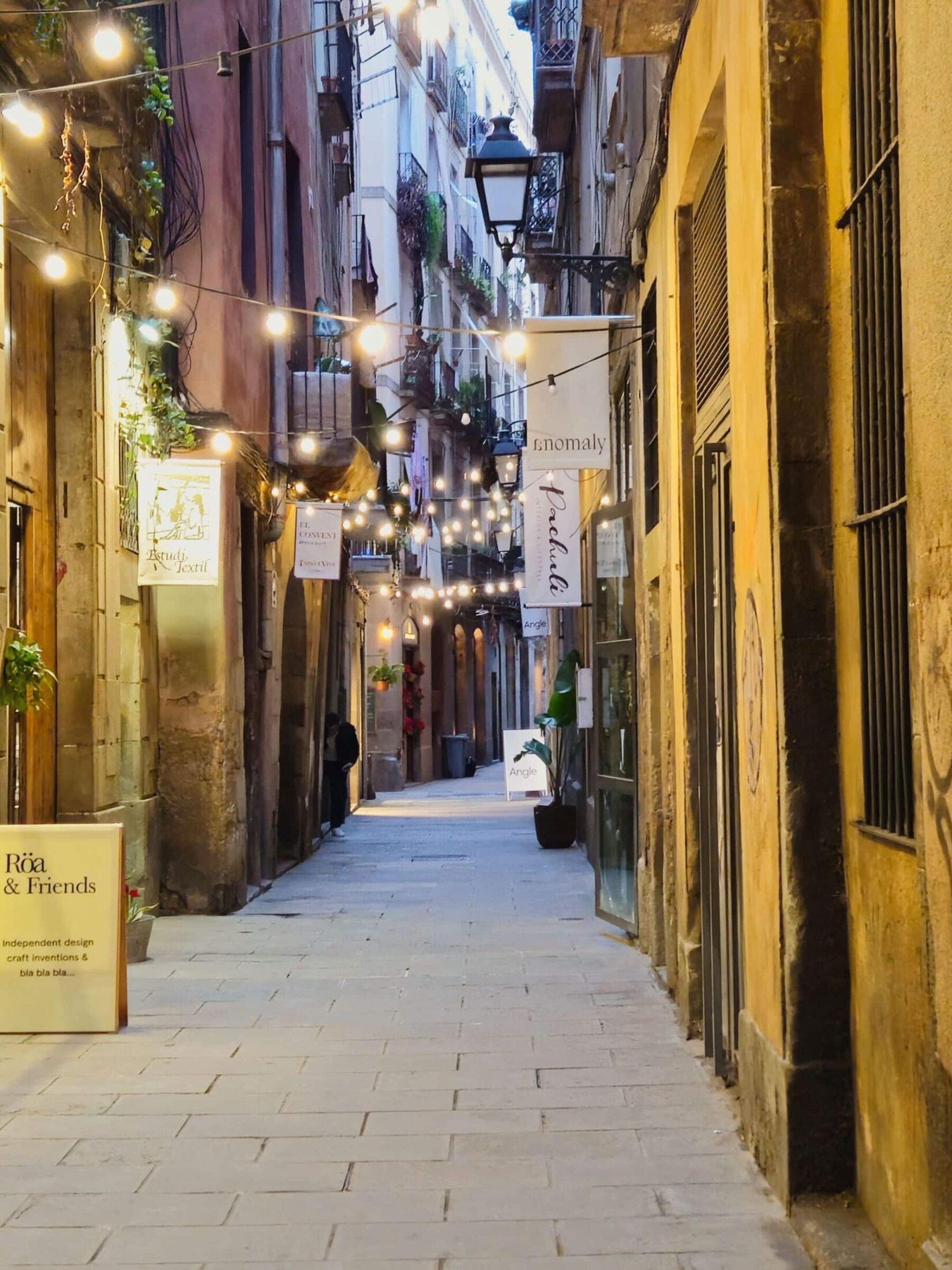
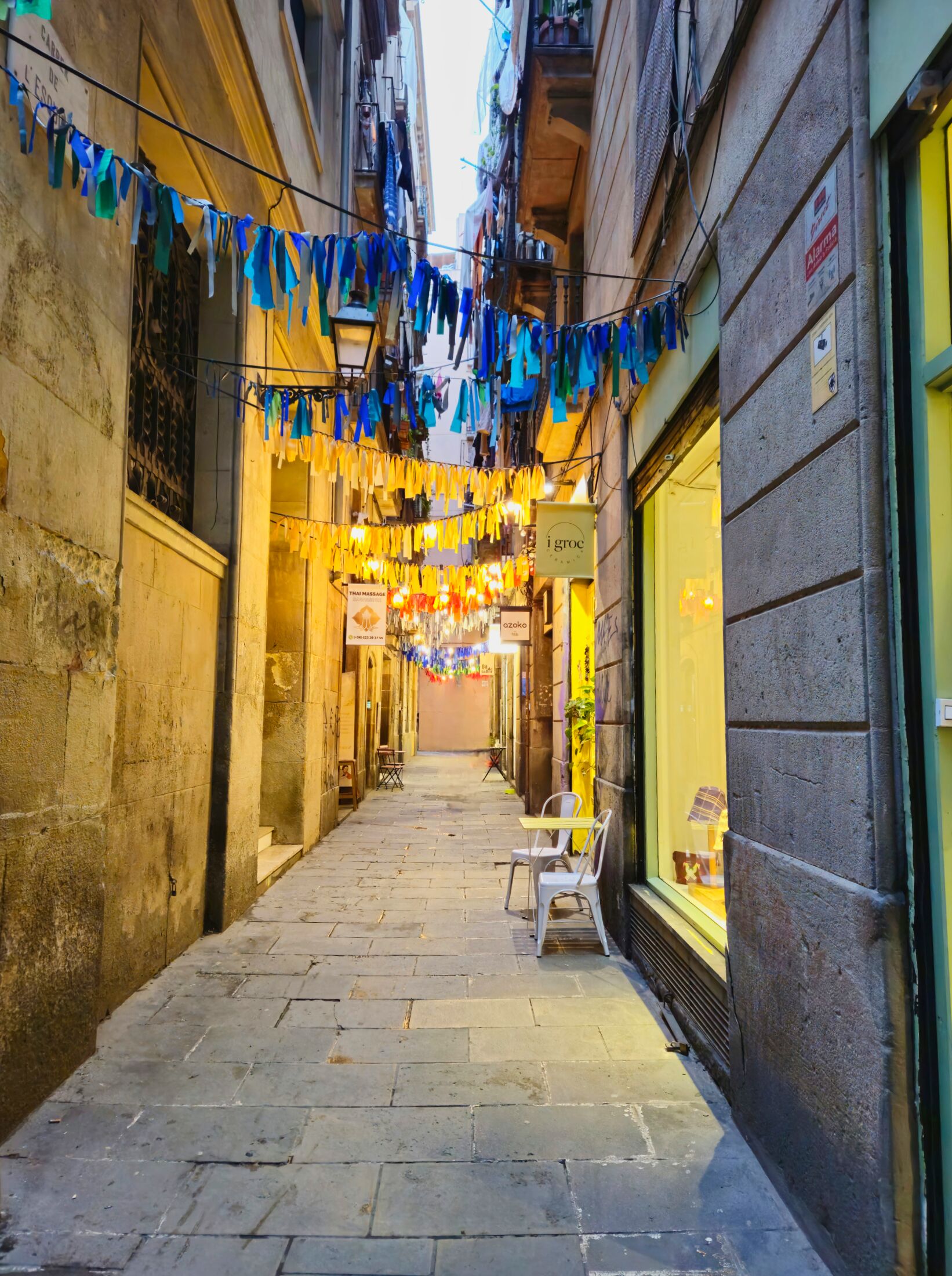
We embarked on a journey through the maze of Barcelona’s streets, each one a new adventure waiting to unfold. The city’s layout is a testament to its rich history and diverse culture, ensuring that every step is a step into the unknown.
We explored numerous small streets until we were exhausted.
The time difference made the day feel extra long, but the excitement of discovering new places kept us going. It was a fun and fulfilling day.
*Gothic Architecture: The Gothic Quarter (Barri Gòtic) features narrow medieval streets and stunning structures, such as the Barcelona Cathedral (Catedral de Barcelona), which showcases intricate facades.
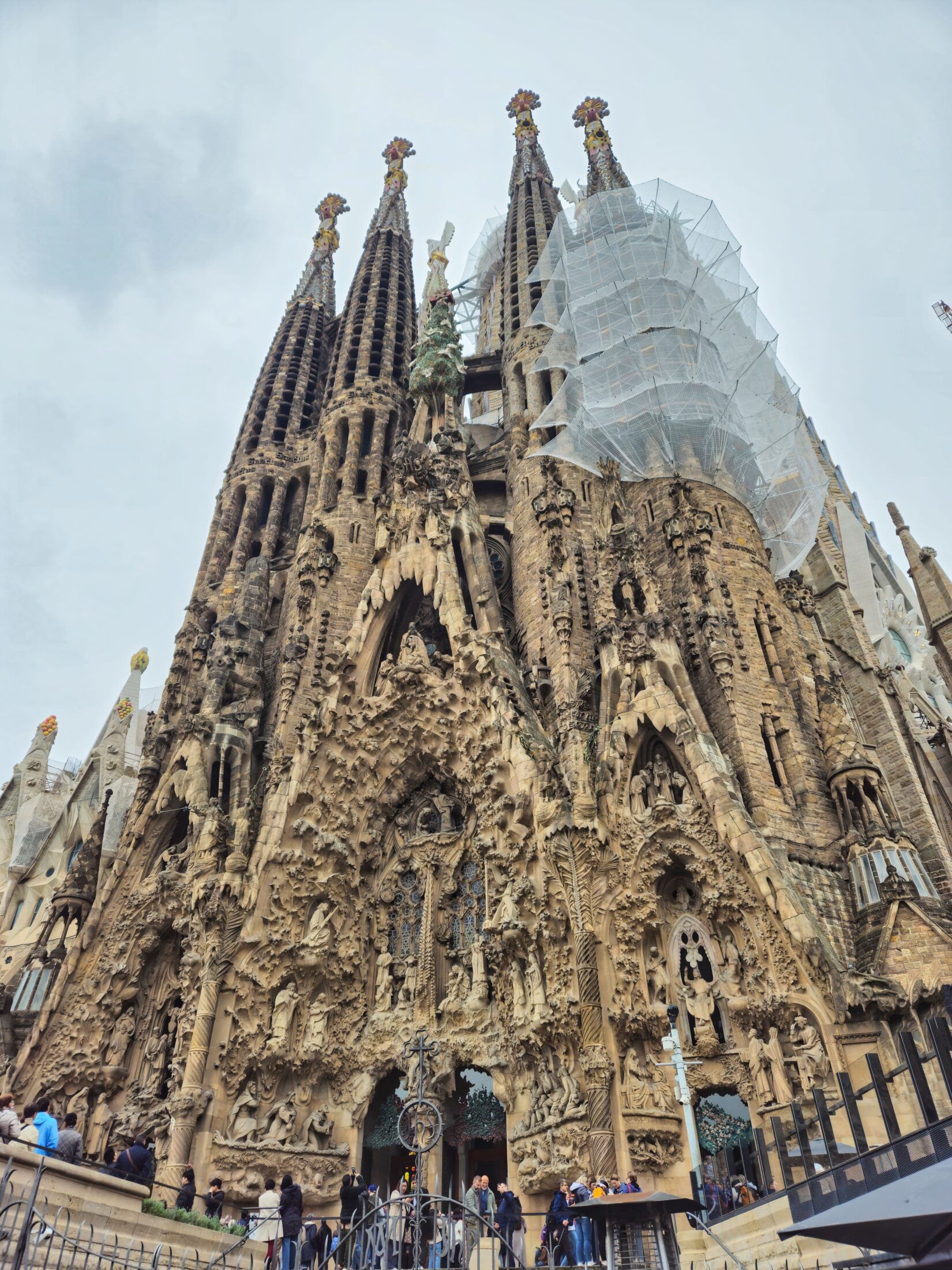
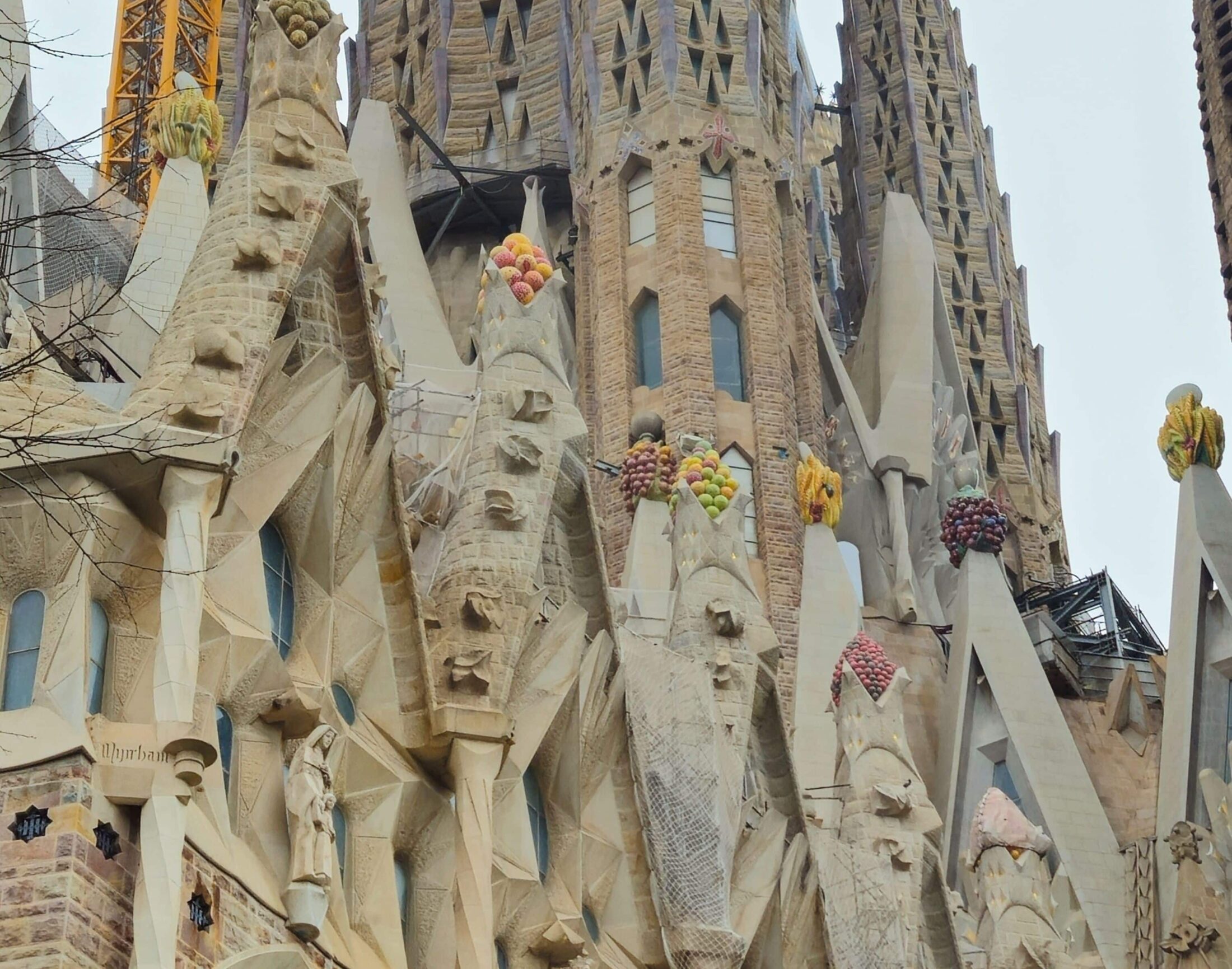
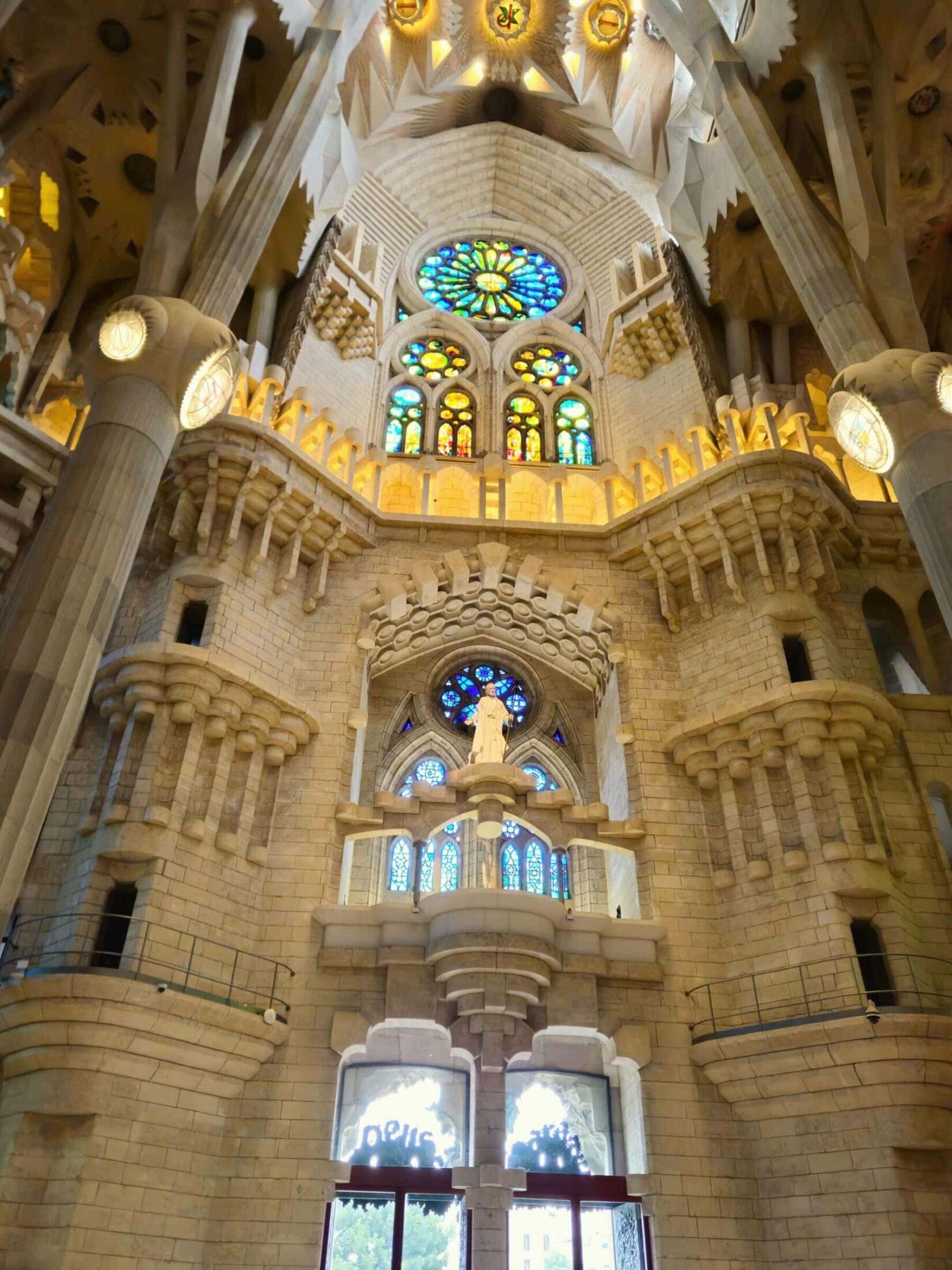
*Modernisme: This Catalan version of Art Nouveau is epitomized by the works of Antoni Gaudí. His masterpiece, the Sagrada Família, combines Gothic and curvilinear forms with an iconic, still-unfinished structure to this day. Other notable Gaudí buildings include Casa Batlló and Casa Milà (La Pedrera), known for their organic shapes and colourful mosaics.
*Contemporary Architecture: The city also features modern designs, such as the Torre Glòries (formerly Torre Agbar), a bullet-shaped skyscraper that illuminates the skyline at night, and the Barcelona Museum of Contemporary Art.
Day Two
We walk the main streets, where we find Gaudí buildings, such as the iconic Casa Batlló and the whimsical Casa Milà, as well as upscale stores.
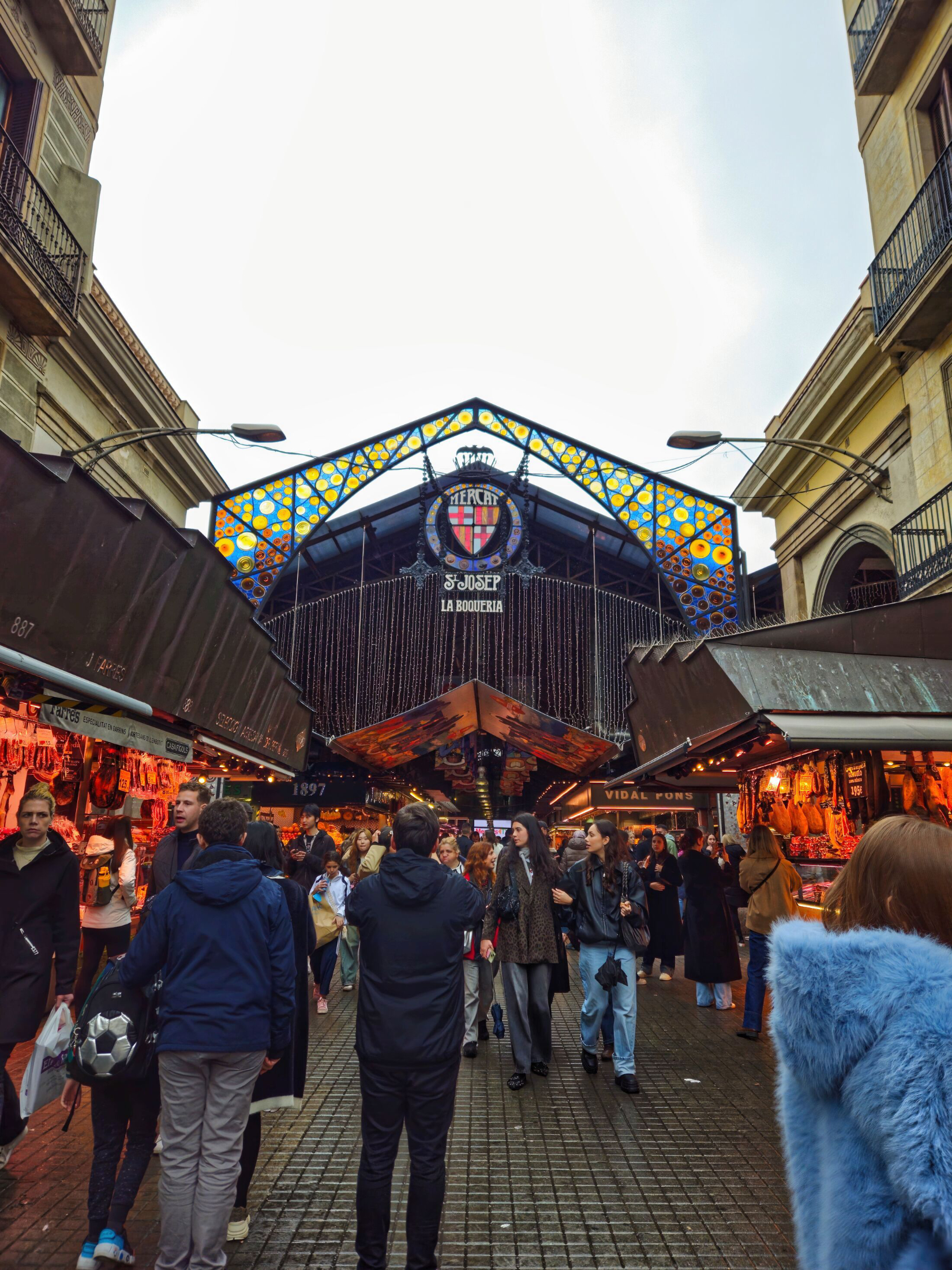
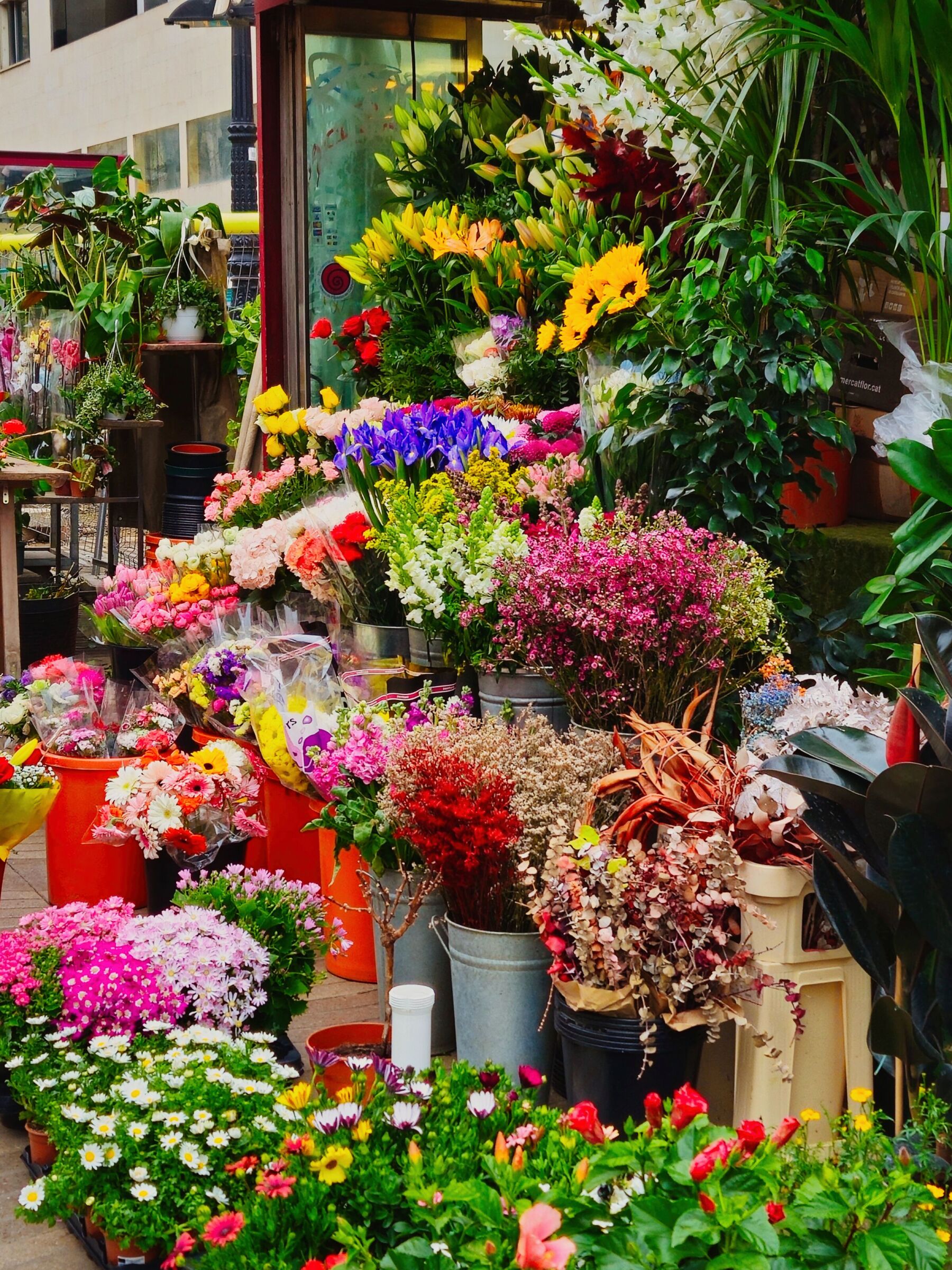
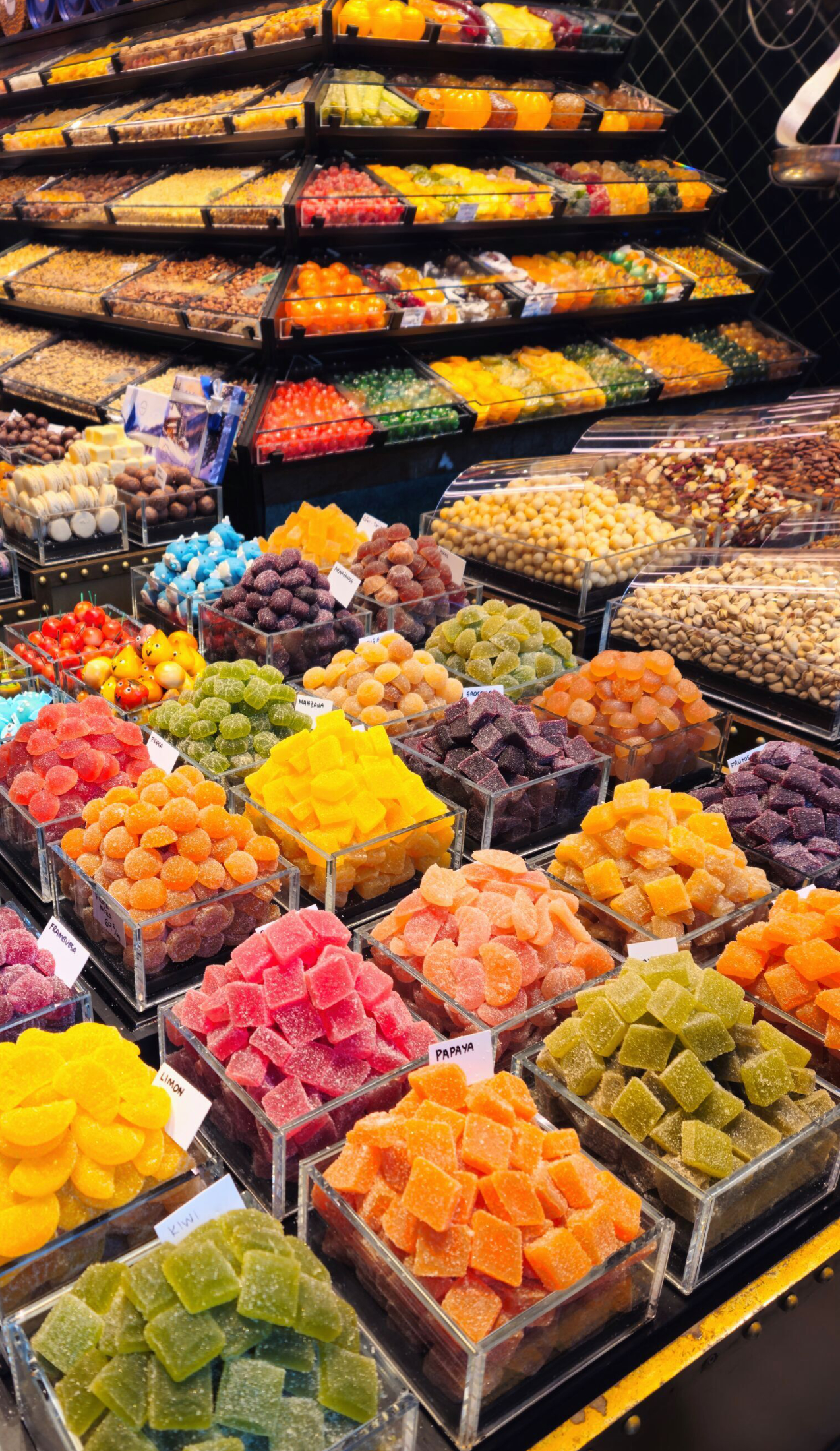
We walk up and finish on La Rambla, visiting the La Boqueria market. The market is a sensory feast, a kaleidoscope of colours, and a symphony of sounds that tantalizes both the eyes and the stomach.
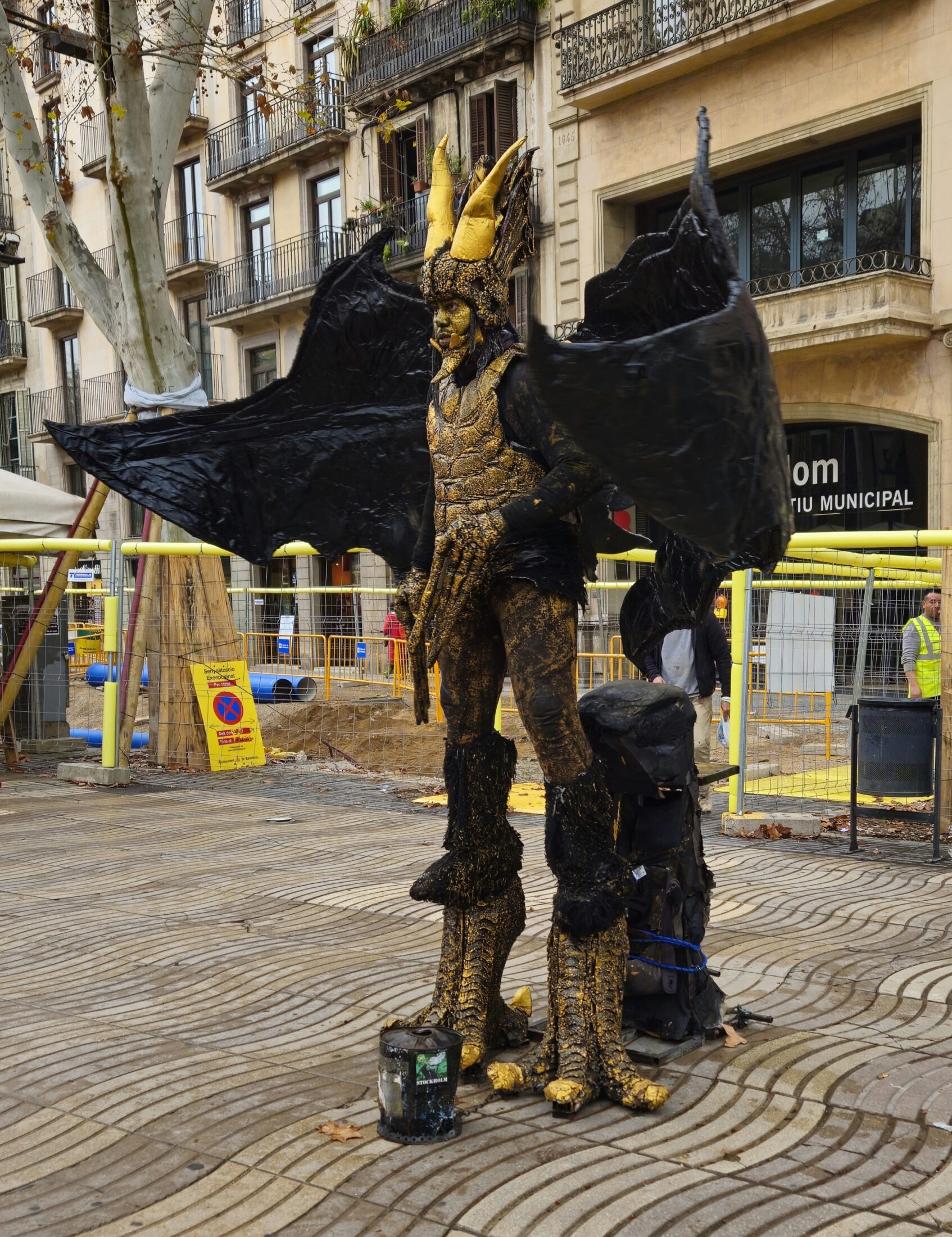
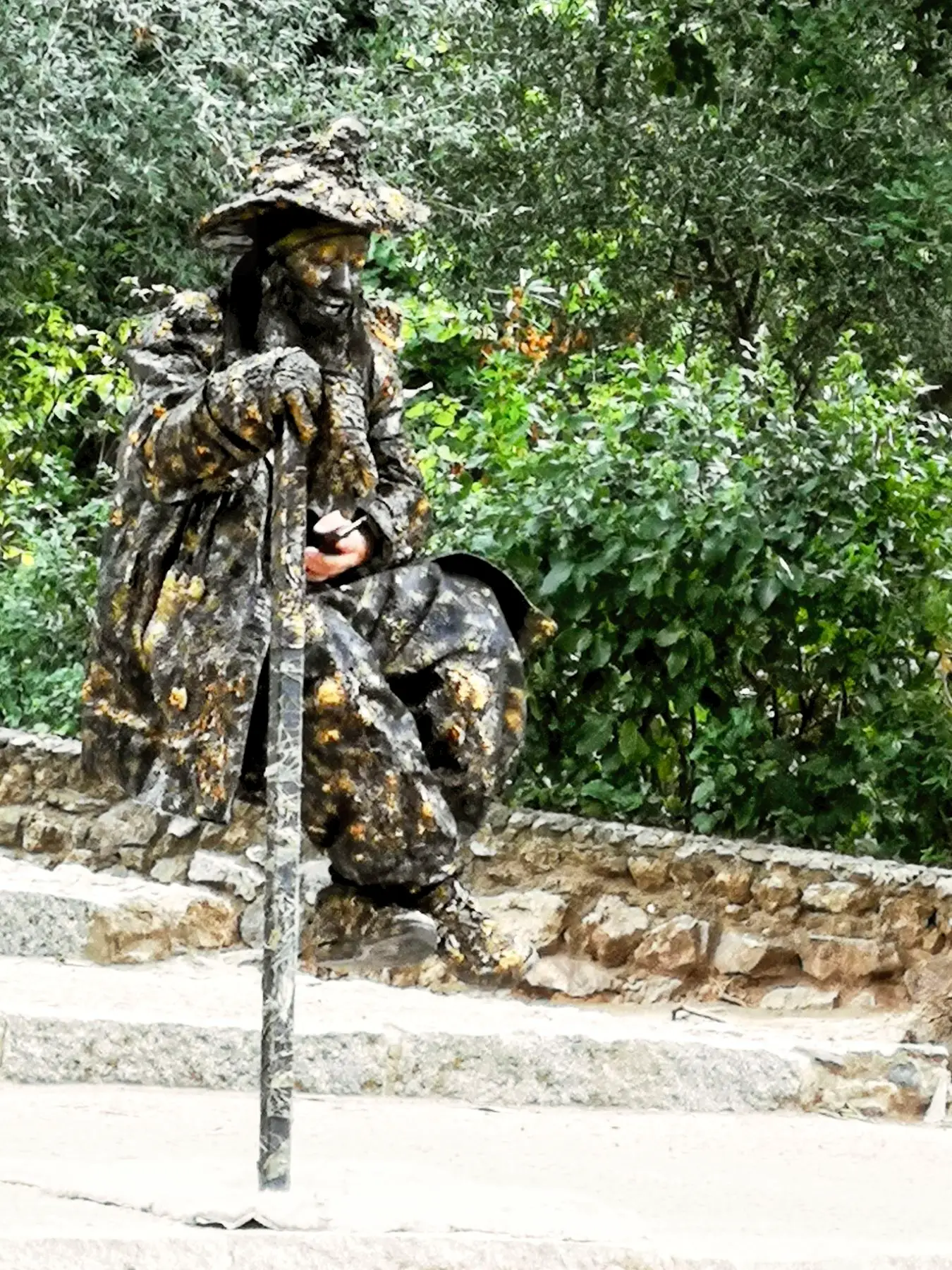
As we strolled through La Rambla at night, we were captivated by the living statues, a unique sight that made us feel like we were part of a magical performance. The mystery of how they managed to stay still for five minutes added to the intrigue of the experience.
-La Boquería
This public market, conveniently located right off La Rambla, is a treasure trove of food stalls and restaurants. It’s been at this location for hundreds of years, in a building with a beautiful iron entrance.
The market is always bustling, making it a perfect spot to grab a snack or an inexpensive lunch of ham, bread, cheese, and fruit and soak in the lively atmosphere. There’s a wide variety of seafood, including fish, shrimp, octopus, and oysters, as well as nuts, candy, wine, and tapas.
**Open Monday to Saturday 8 am-8:30 pm.
- La Rambla
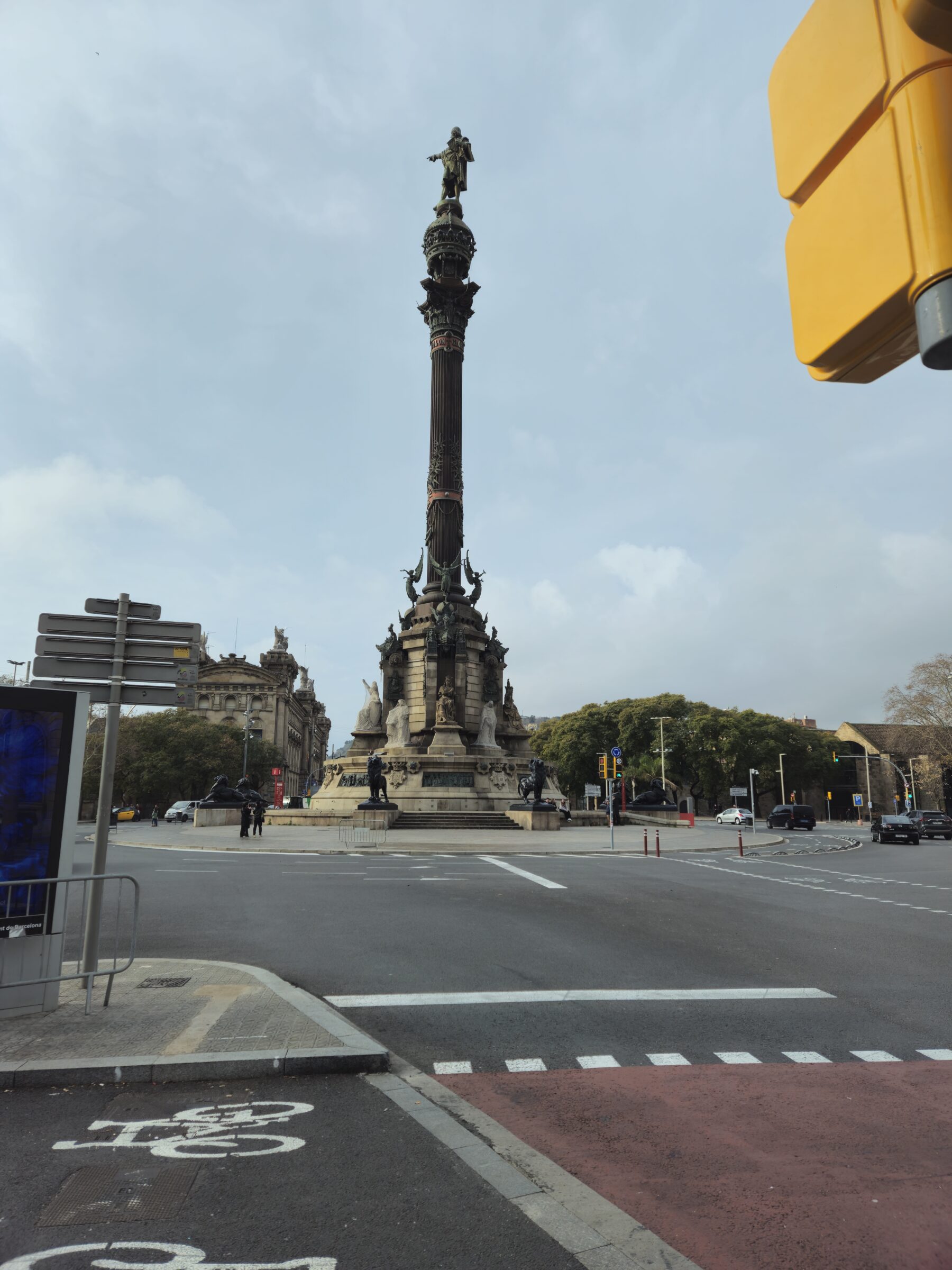
We walk the main streets, where we find Gaudí buildings, such as the iconic Casa Batlló and the whimsical Casa Milà. These unique architectural wonders, amidst the backdrop of expensive stores, never fail to amaze us.
We walk up and finish on La Rambla, a bustling street that epitomizes Barcelona’s vibrant street life. We visit the La Boqueria market, a sensory feast, a kaleidoscope of colours, and a symphony of sounds that tantalizes both the eyes and the stomach.
As we strolled through La Rambla at night, we were captivated by the living statues, a unique sight that made us feel like we were part of a magical performance. The mystery of how they managed to stay still for five minutes added to the intrigue of the experience, making us feel like we were part of a secret world.

- Churches
If we visit all the churches, I will be broke by the end of the week so that we will take pictures from outside. However, many churches offer free or discounted entry during certain times, so it’s worth checking their websites or local guides for more information.
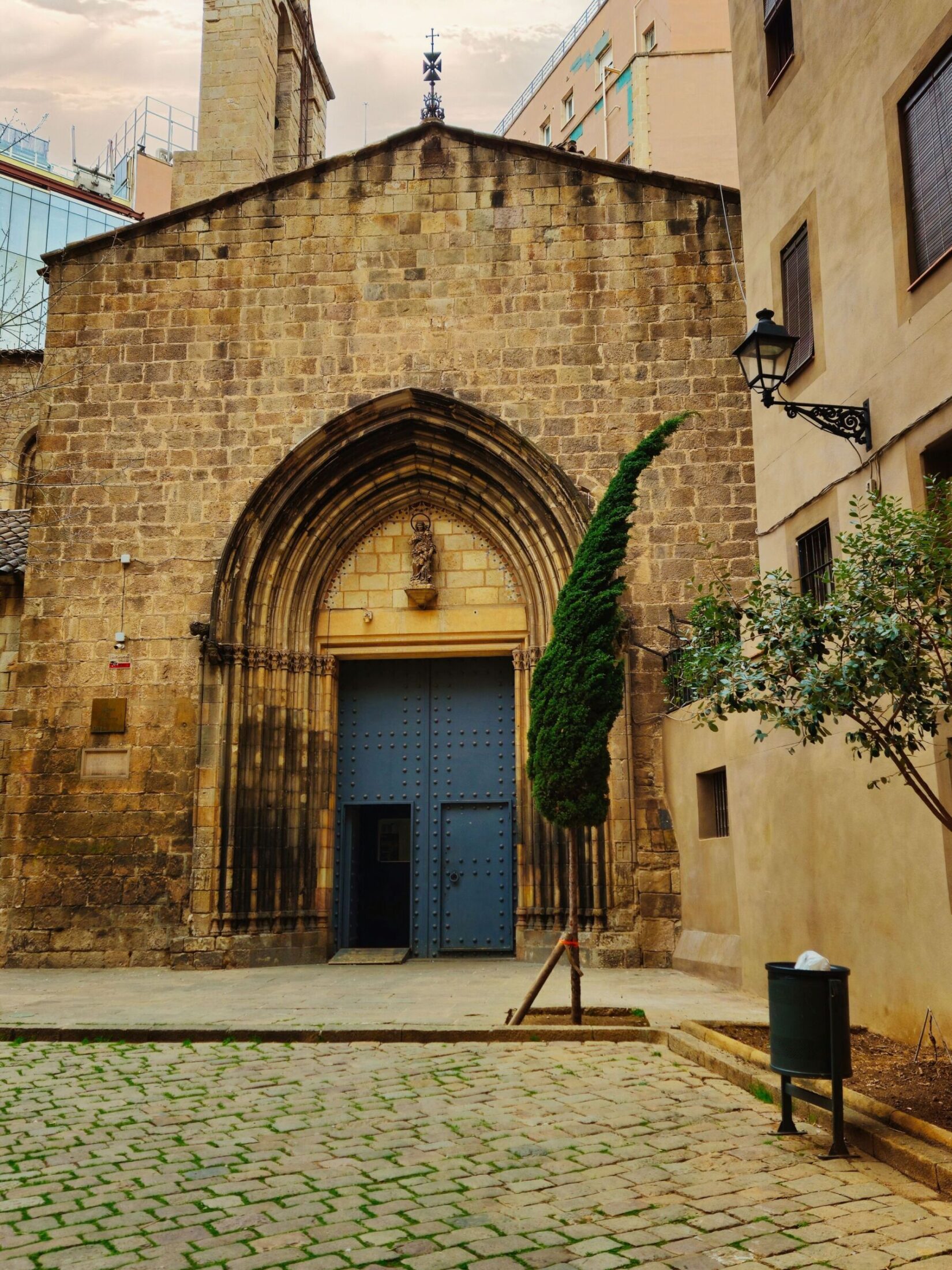
*Basilica of Sants Màrtirs Sant Just i Pastor
Legend has it that this is Barcelona’s oldest church. Whether this is true or not, what is undeniable is the unique charm of this 14th-century building, nestled in one of the Gothic Quarter’s most enchanting and least-explored corners.
It’s another testament to the city’s medieval grandeur. When you step inside and walk up the distinctive spiral staircase to the top of the bell tower, you will be treated to some of the most breathtaking views of the surrounding area, a sight that will surely leave you in awe.
*Chapel of Santa Àgata – This royal chapel was built in 1302 and is part of the Museum of the History of Barcelona. The most interesting feature inside is the beautiful altarpiece, created by Jaume Huguet, which was added in the 15th century. It features beautiful paintings of religious symbols in the medieval style.
Admission is 7 EUR.
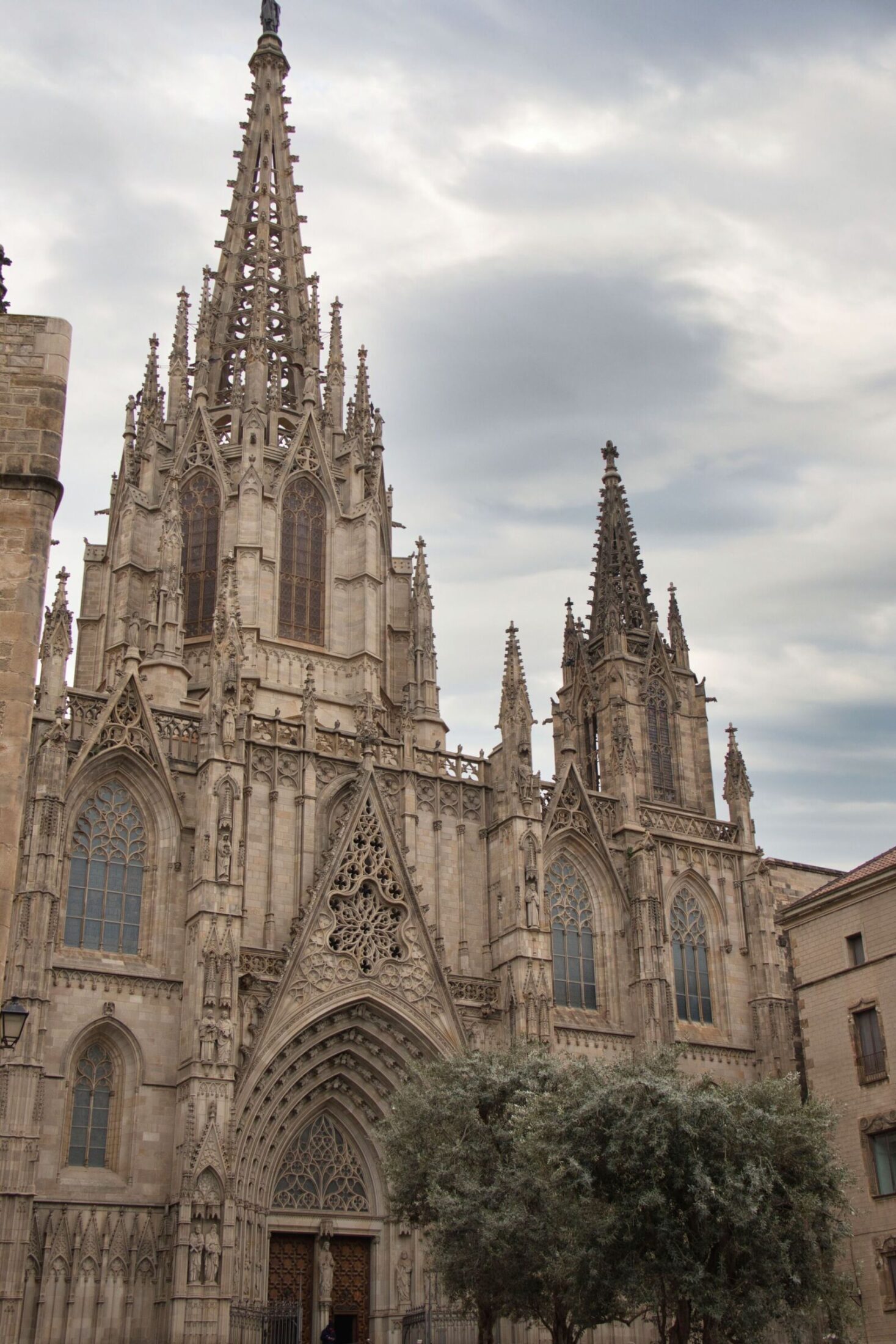
*Barcelona Cathedral-La Familia
The Barcelona Cathedral, a stunning Gothic masterpiece, left us in awe with its 500-year-old stained glass windows. Its architectural beauty and historical significance make it a must-see for any visitor, inspiring a sense of wonder and appreciation.
Sagrada Familia Ticket Prices (approximate)
*Basic Entrance: Around €26
*With Audioguide: Around €30-€33
*With Guided Tour: Around €30-€38
*With Guided Tour and Towers: Around €40
Day Three
With the rain pouring down, we found the perfect solution: a hop-on, hop-off bus (we took the red line). It was a convenient and comfortable way to reach places that were too far to walk, making our journey a breeze.
**The first stop**
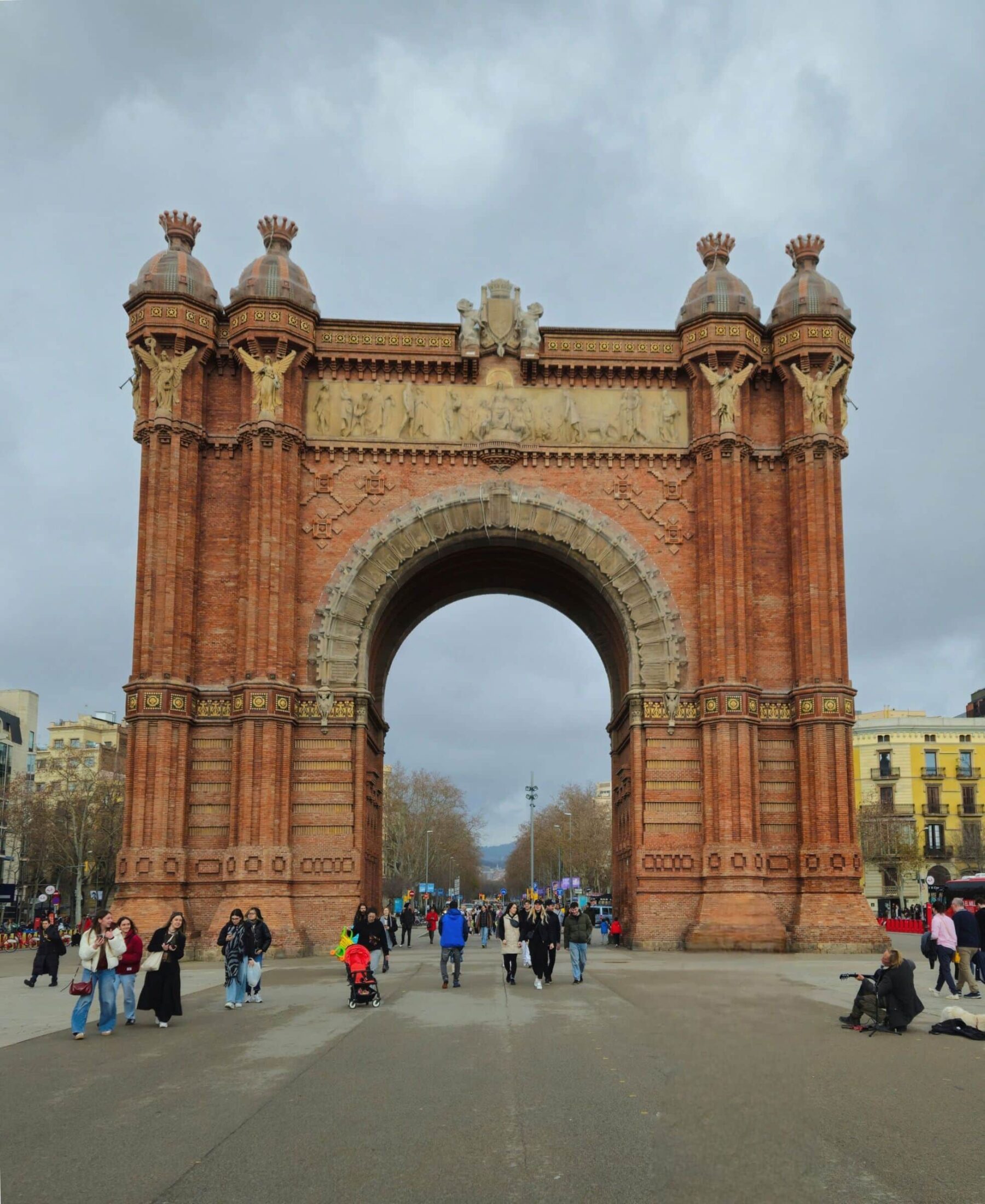
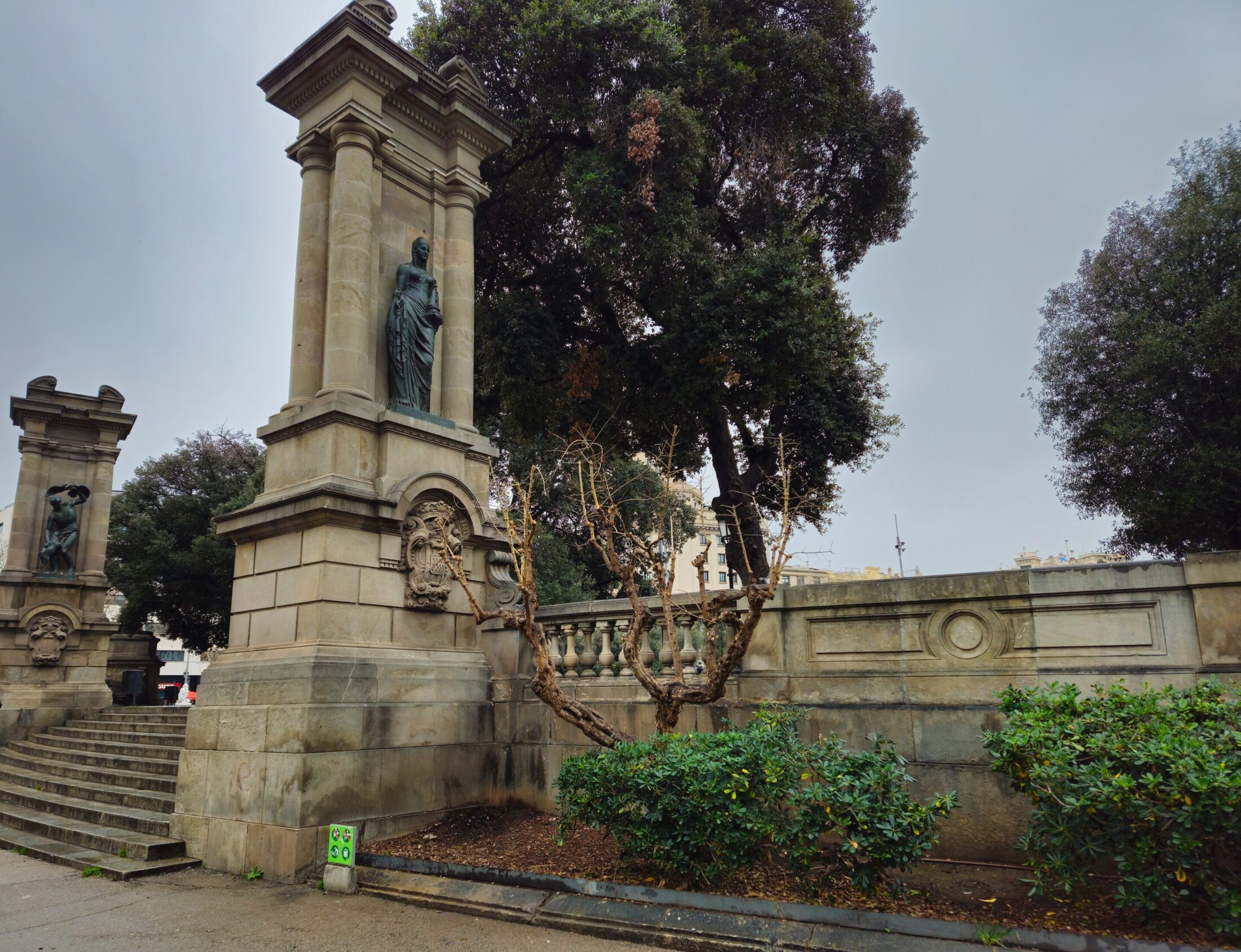
*Arc de Triomf is a memorial arch.
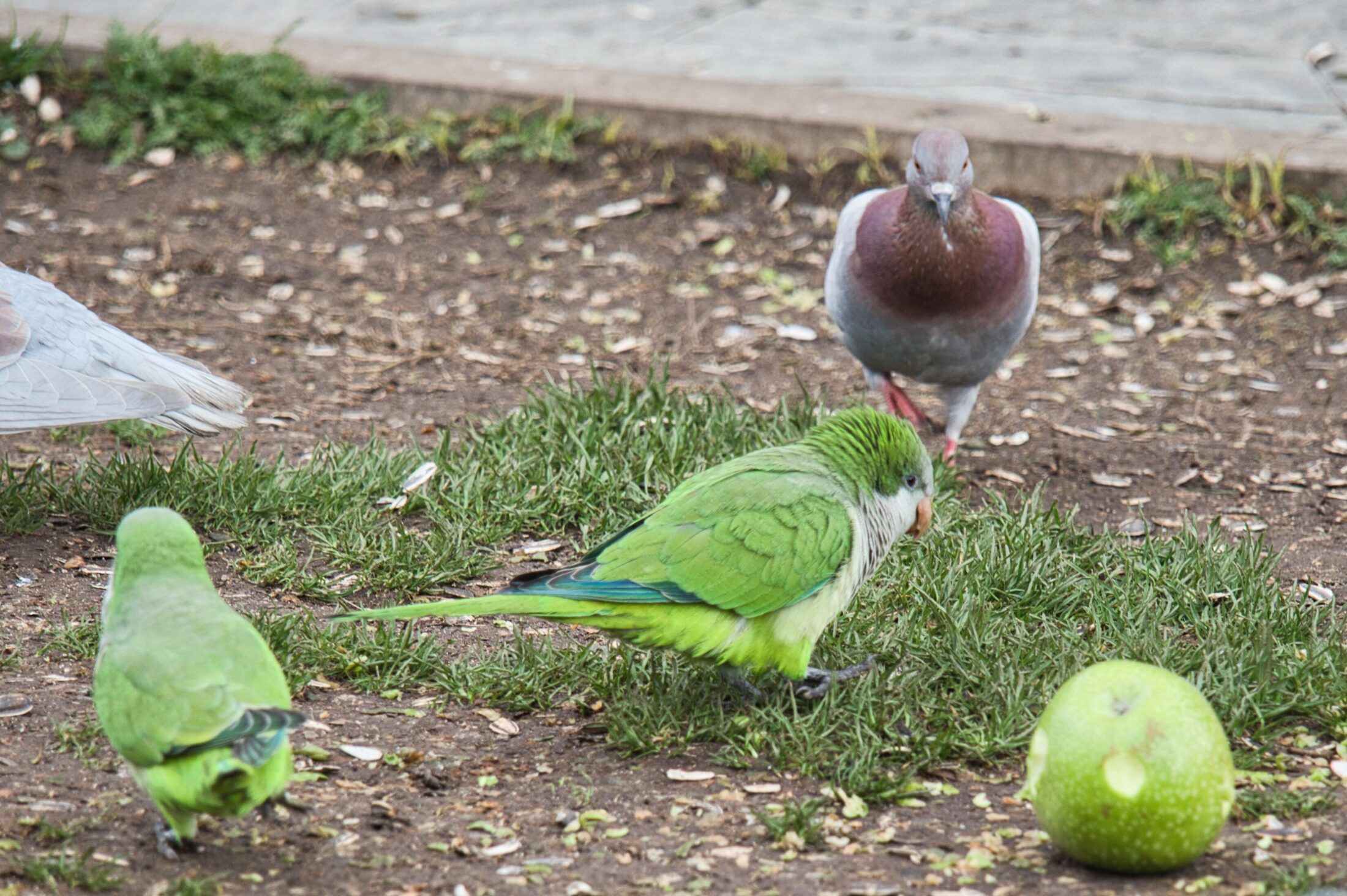
As we strolled, we were treated to a park, located near the Arc de Triomf, lively flamenco dancers, and even a street performer creating soap bubbles. The sight of small green parrots added a touch of nature to our urban adventure.
Learn about the history and symbolism of the Arc de Triomf, the gateway to the 1888 Universal Exhibition in Barcelona. Explore its unique classical architecture, neo-Mudejar decoration and sculptural motifs, and feel the wonder of your own exploration.
**Second Stop**
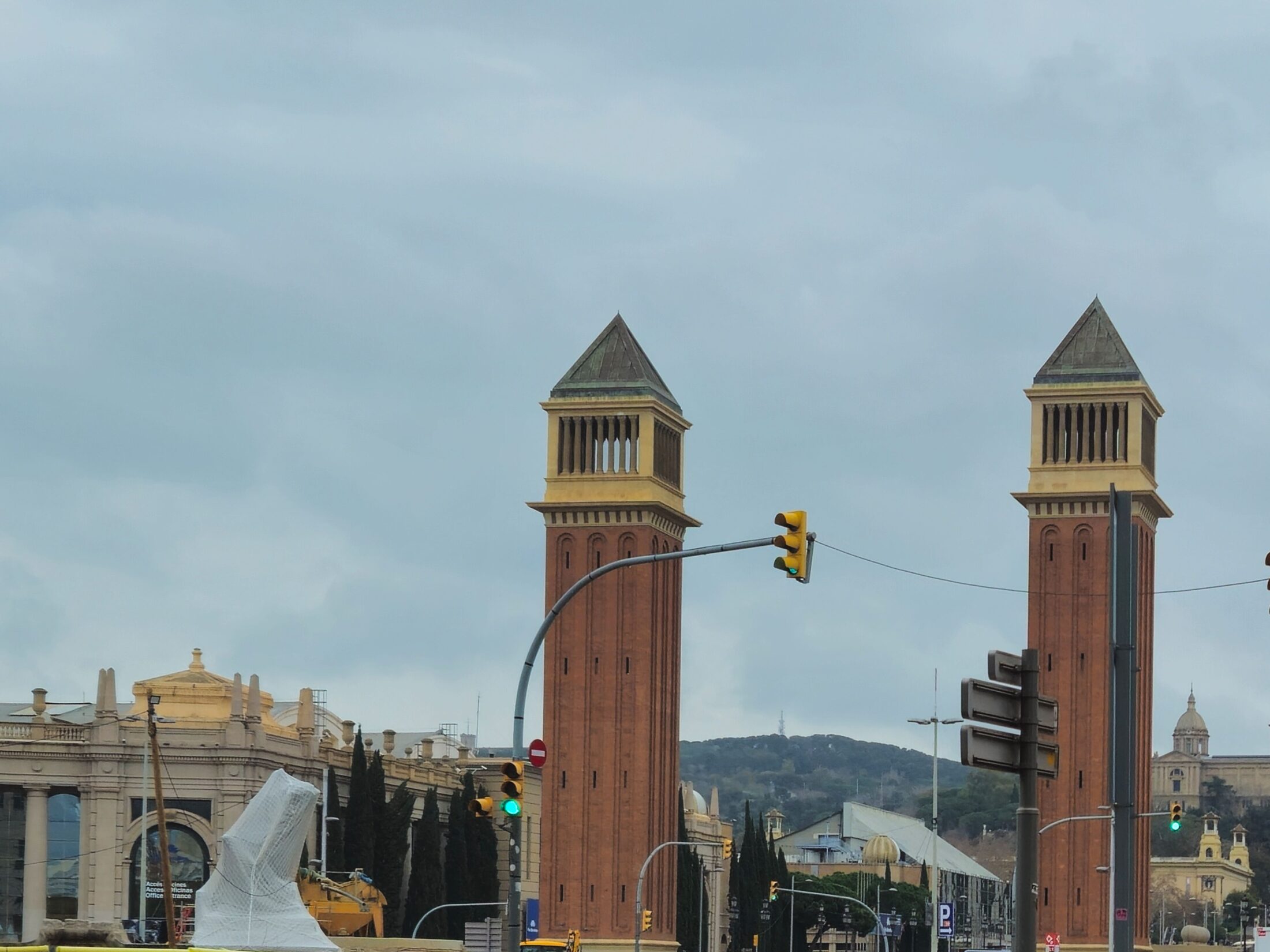
*Torres Venecianas
**The Venetian Towers (in Catalan: Torres Venecianas) is the popular name for a pair of towers on Avinguda de la Reina Maria Cristina at its junction with Plaça d’Espanya in Barcelona, Catalonia, Spain. There is one tower on either side of the street.
What’s even more exciting is that Montjuïc National Place, Poble Espanyol, and Torres Venecianas are all within a short distance of each other, making it a perfect trio of attractions to explore in one go.
Choosing to walk instead of taking the bus was a decision we made due to the convenience of the last leg of the bus ride. This empowered us to explore the area at our own pace, and we enjoyed the leisurely walk back, taking in the local sights and sounds along the way.
**** You will discover charming little streets lined with unique shops and inviting restaurants, all set against a backdrop of stunning architecture that will surely pique your interest.
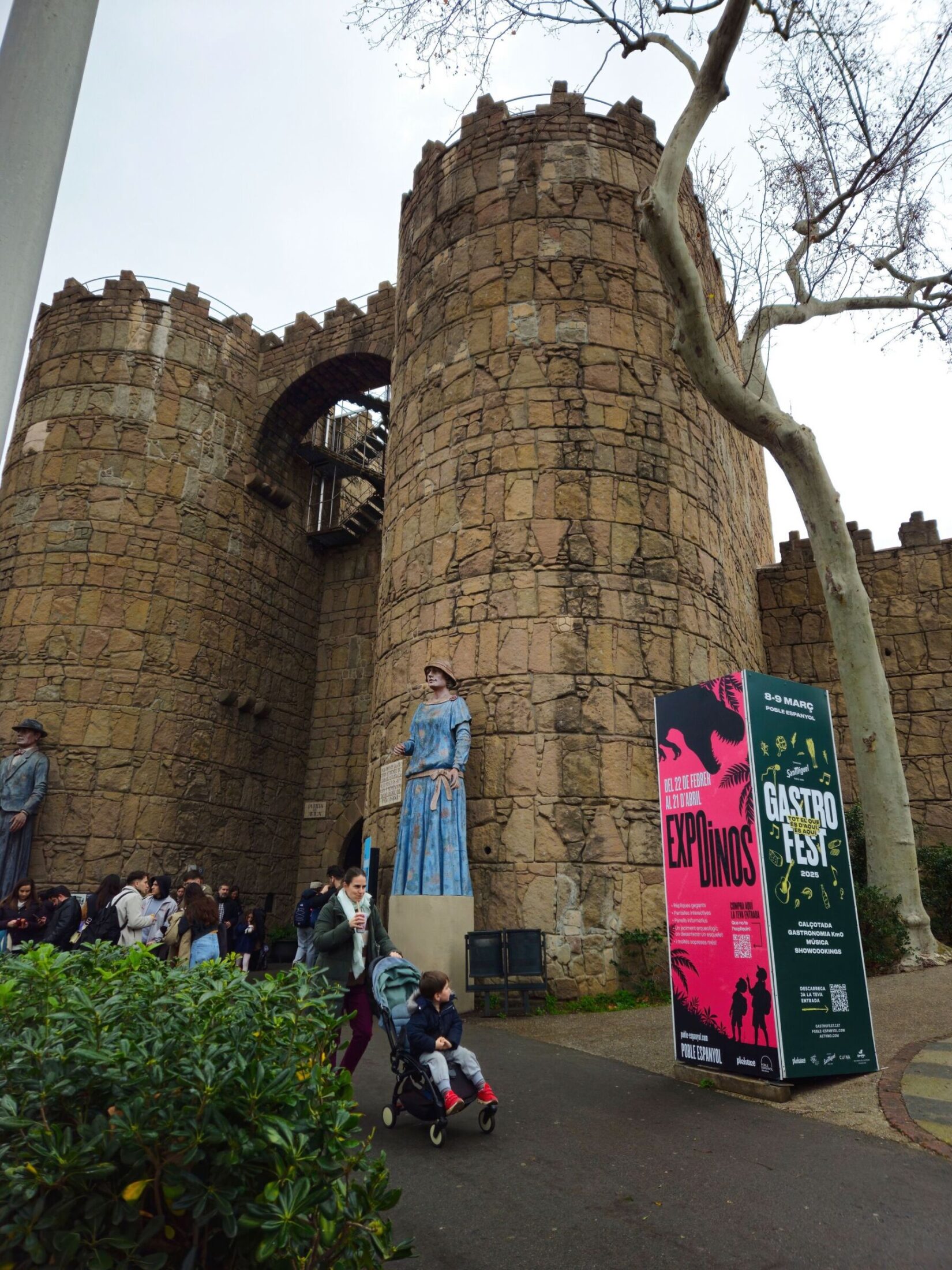
*Poble Espanyol (Spanish Village)·
Poble Espanyol (Spanish Village) is an open-air museum in Barcelona that showcases Spain’s architectural diversity. It was built for the 1929 Barcelona International Exposition and has 117 replica buildings from different regions and periods of Spain.
You will find a variety of crafts, contemporary art, shopping, and a range of gastronomic options.
Admission is 13.50 EUR in advance online (15 EUR on the same day online or at the ticket office).
It is located near the Fountains of Montjuïc, a national park.
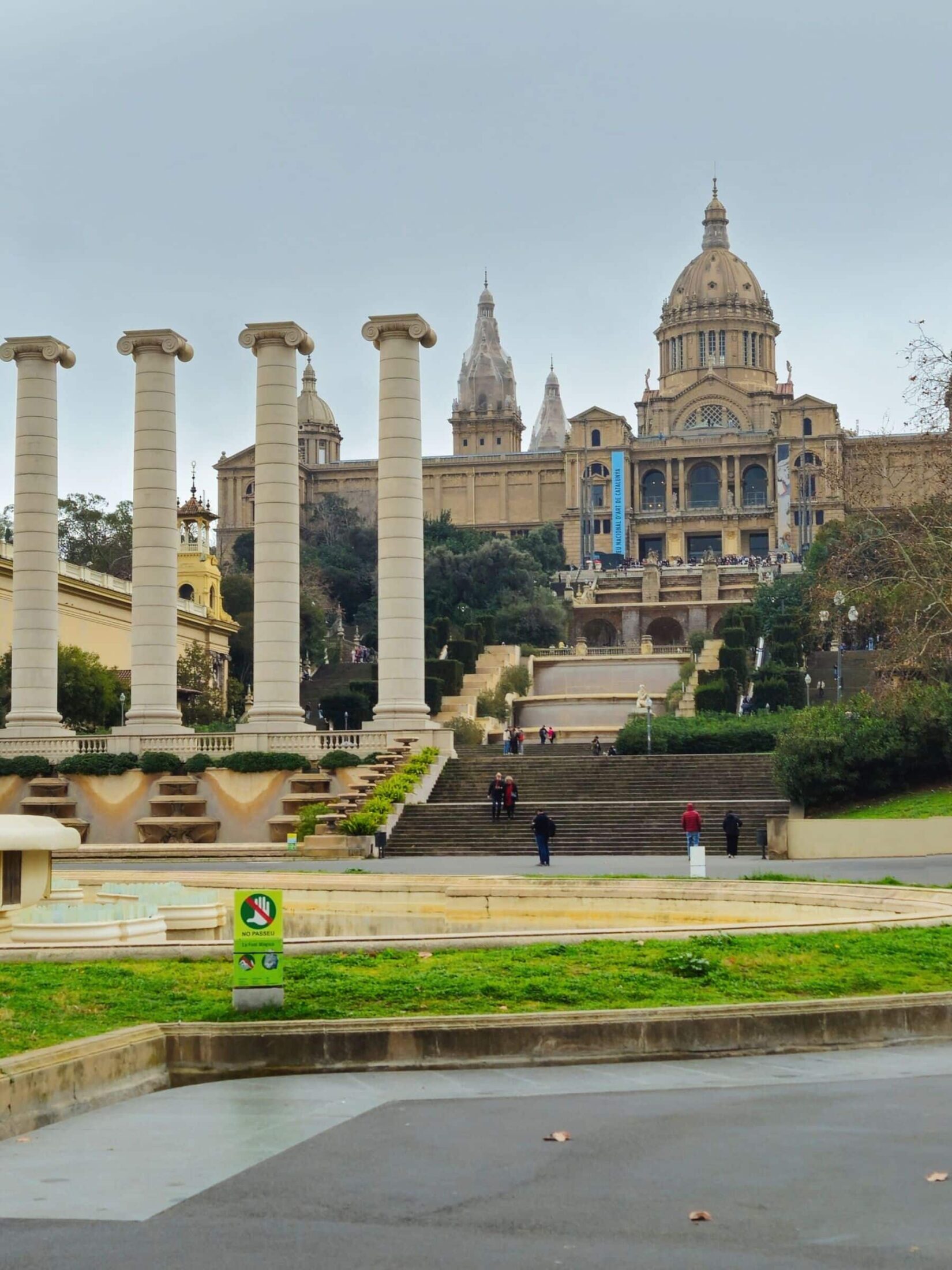
*National Art Museum of Catalonia
The Palau Nacional is a building on the hill of Montjuïc. It was the leading site of the 1929 International Exhibition.
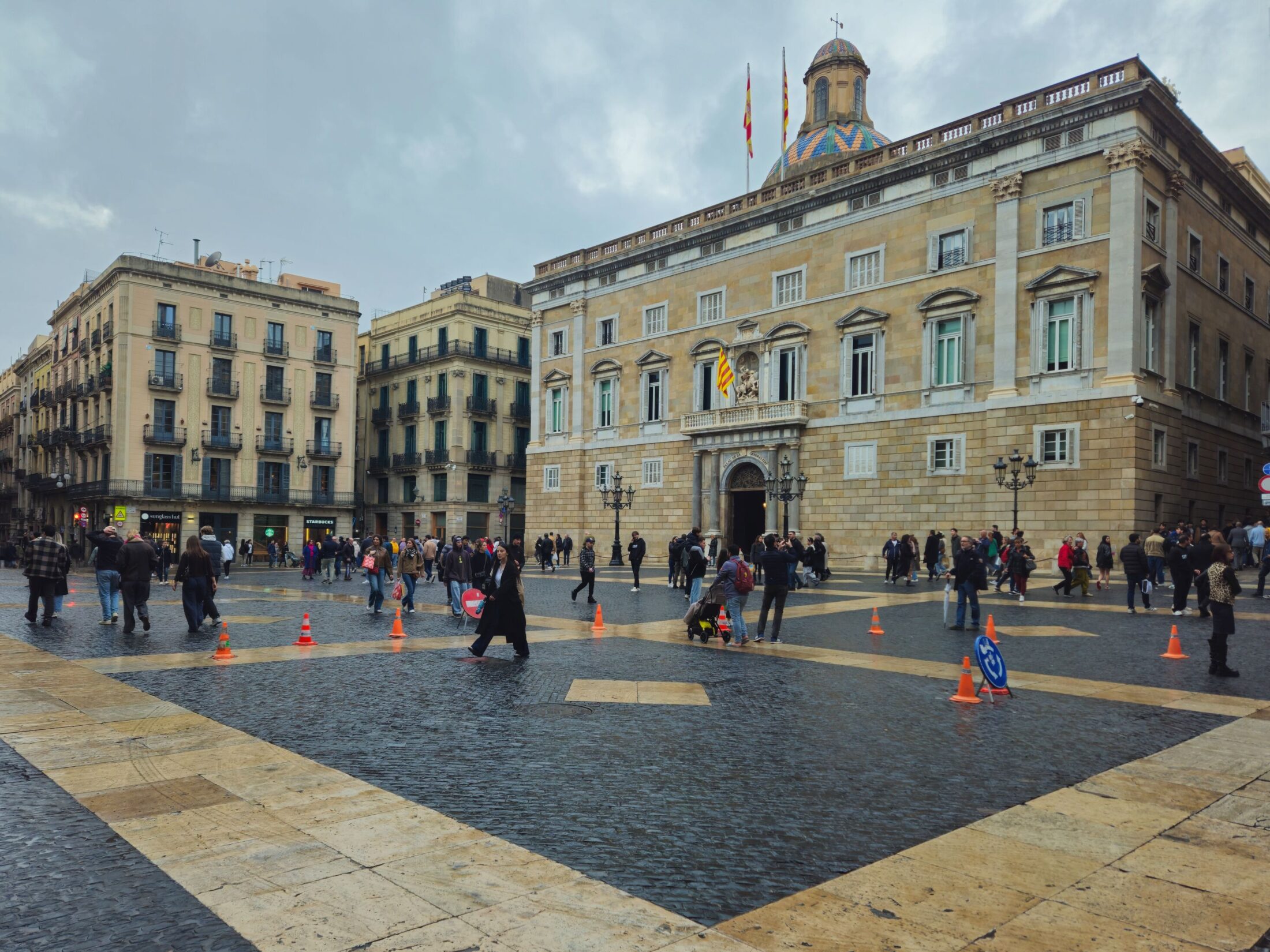
*Palau de la Generalitat de Catalunya
The Palau de la Generalitat, the seat of the Ministry of the Presidency and the Government of Catalonia, is a historic building. The main facade (1597–1619), a masterpiece by Pere Blai, is a prime example of how the Renaissance era influenced civilian Gothic architecture in Catalonia.
Day Four
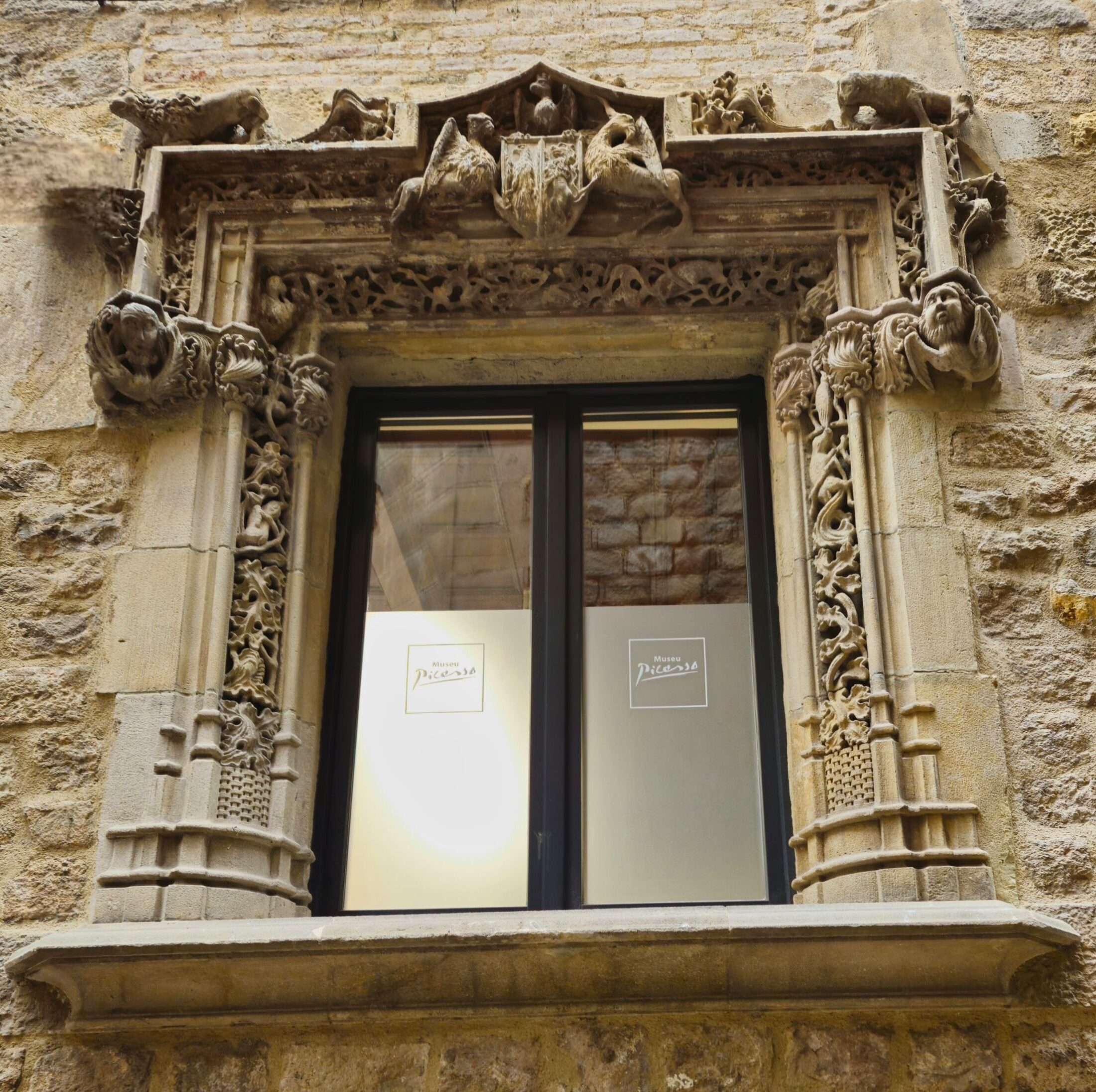
-Picasso Museum
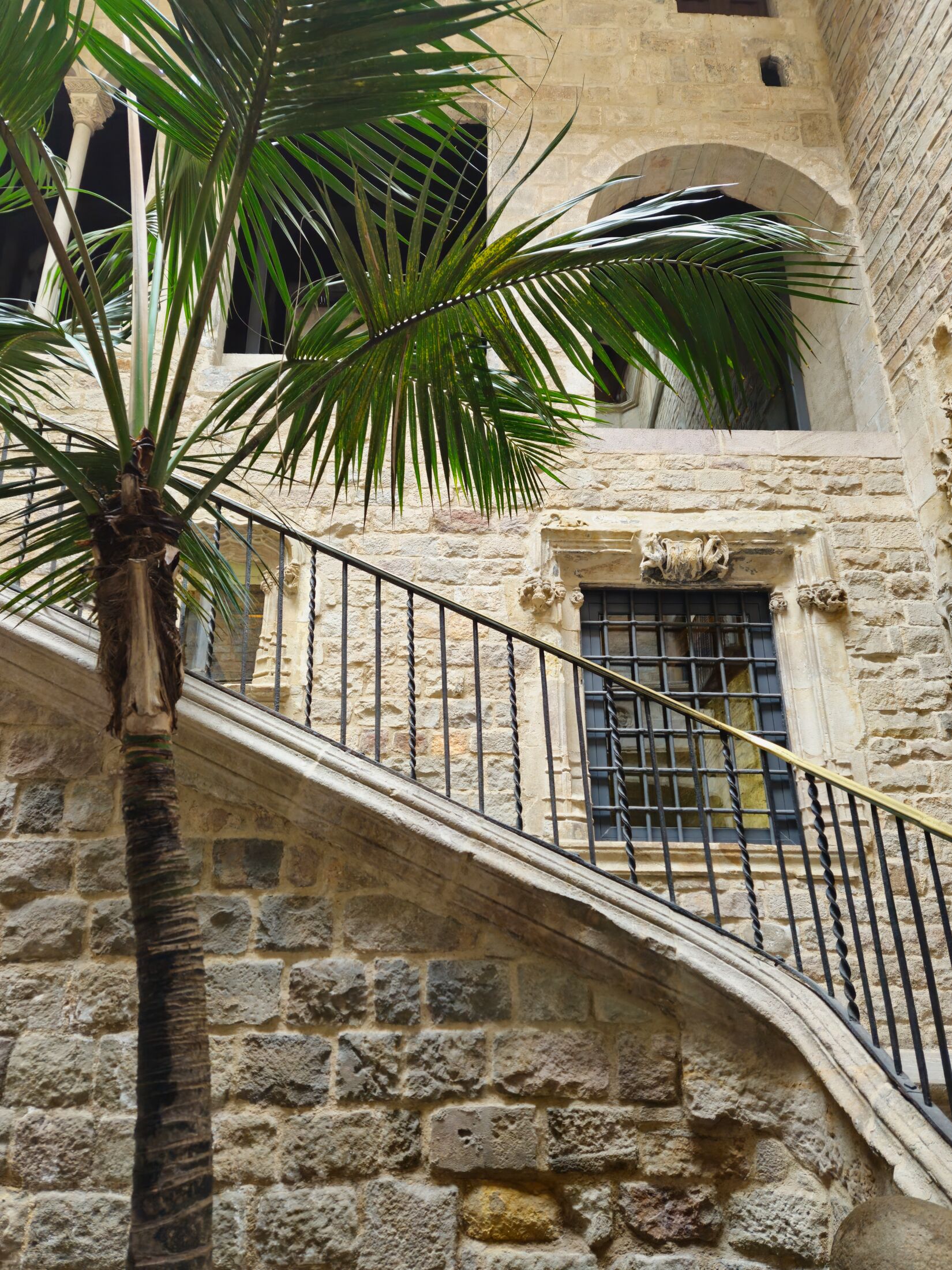
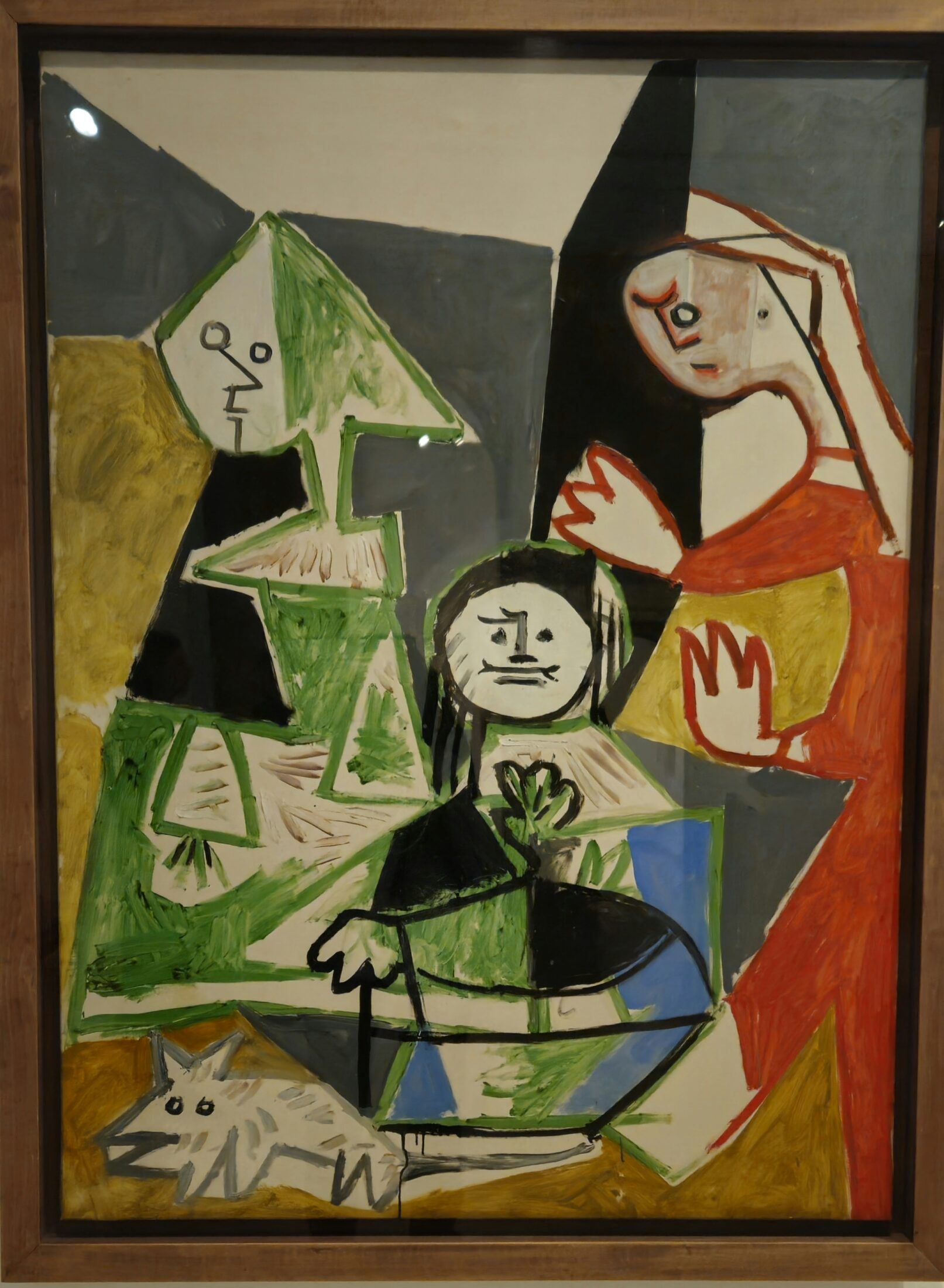
The Museu Picasso is a unique and captivating experience, the first and only Museum dedicated to Pablo Picasso’s work. The Museum boasts a collection of 4251 works by the artist, donated by him, his friends, and collectors. Its collection unveils his profound relationship with Barcelona, offering a glimpse into the life of other artists working in the same era.
Hours
Look online to make sure they open first?
First Sunday of each month (Prior reservation required*)
The Museum has a limited capacity.
Ticket price: 19 euros for seniors, 12,50 euros.
-Park Güell
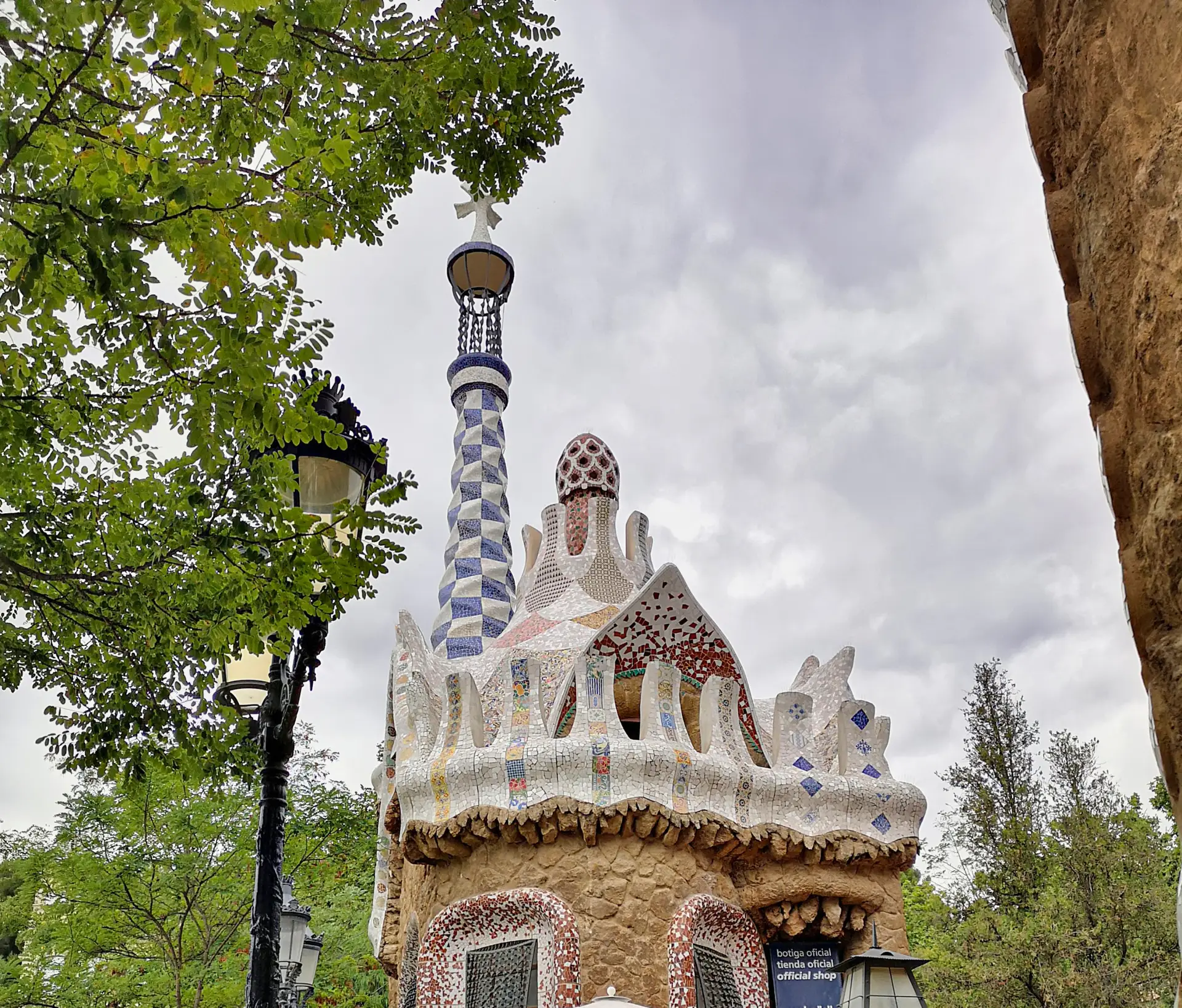
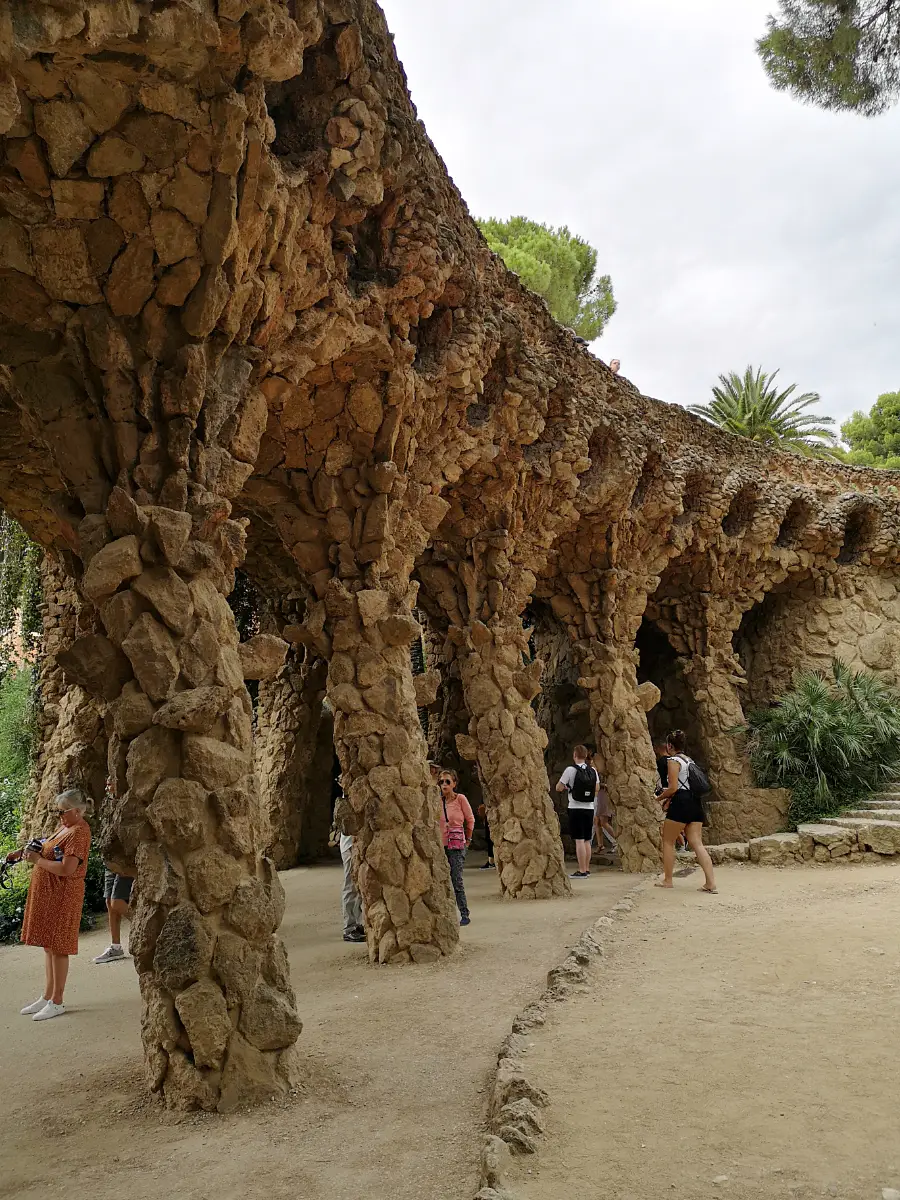
Though the entrance to Gaudí’s park was free, we discovered that the museum and other structures required admission fees. As a result, we visited the public park next door, Parc Güell, another of his masterpieces.
It took us about 1 to 2 hours to explore the park, and we took our time admiring the lush and colourful gardens, which featured unique and attractive motifs. Originally, Park Güell was designed as a luxury residential area by its architect, Antoni Gaudí, but it has since become Barcelona’s most beloved park.
We were in awe of the mosaic-adorned balconies, the famous Dragon Stairway, and the breathtaking views of the city.
Although the red bus stops near Gaudí’s park, you can also take a shuttle, metro, or city bus to get closer.
The bus stop for Sagrada Família, Gaudí’s unfinished masterpiece, was conveniently located in front.
Park Güell Ticket in Barcelona.
Every street has a surprise
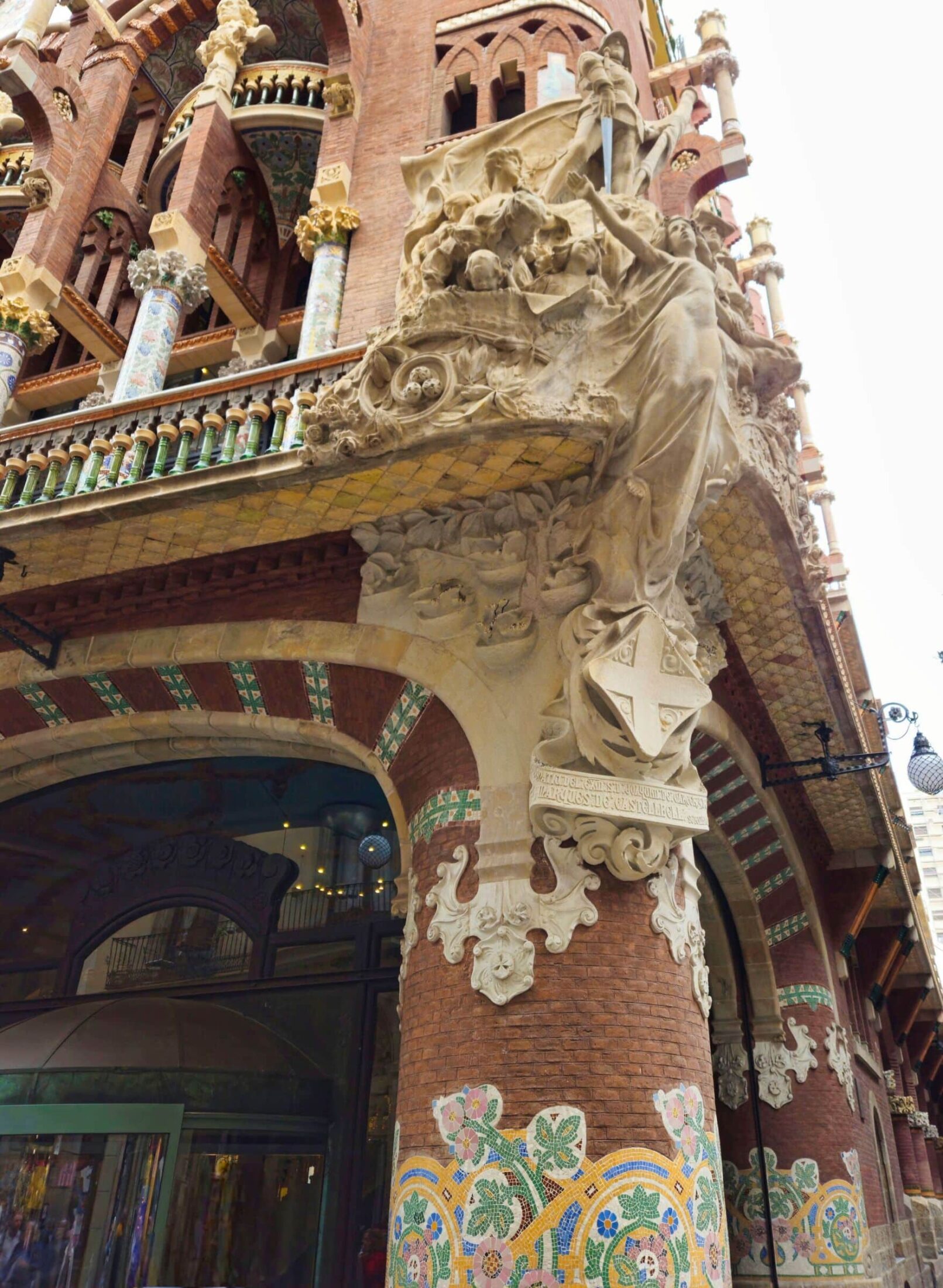
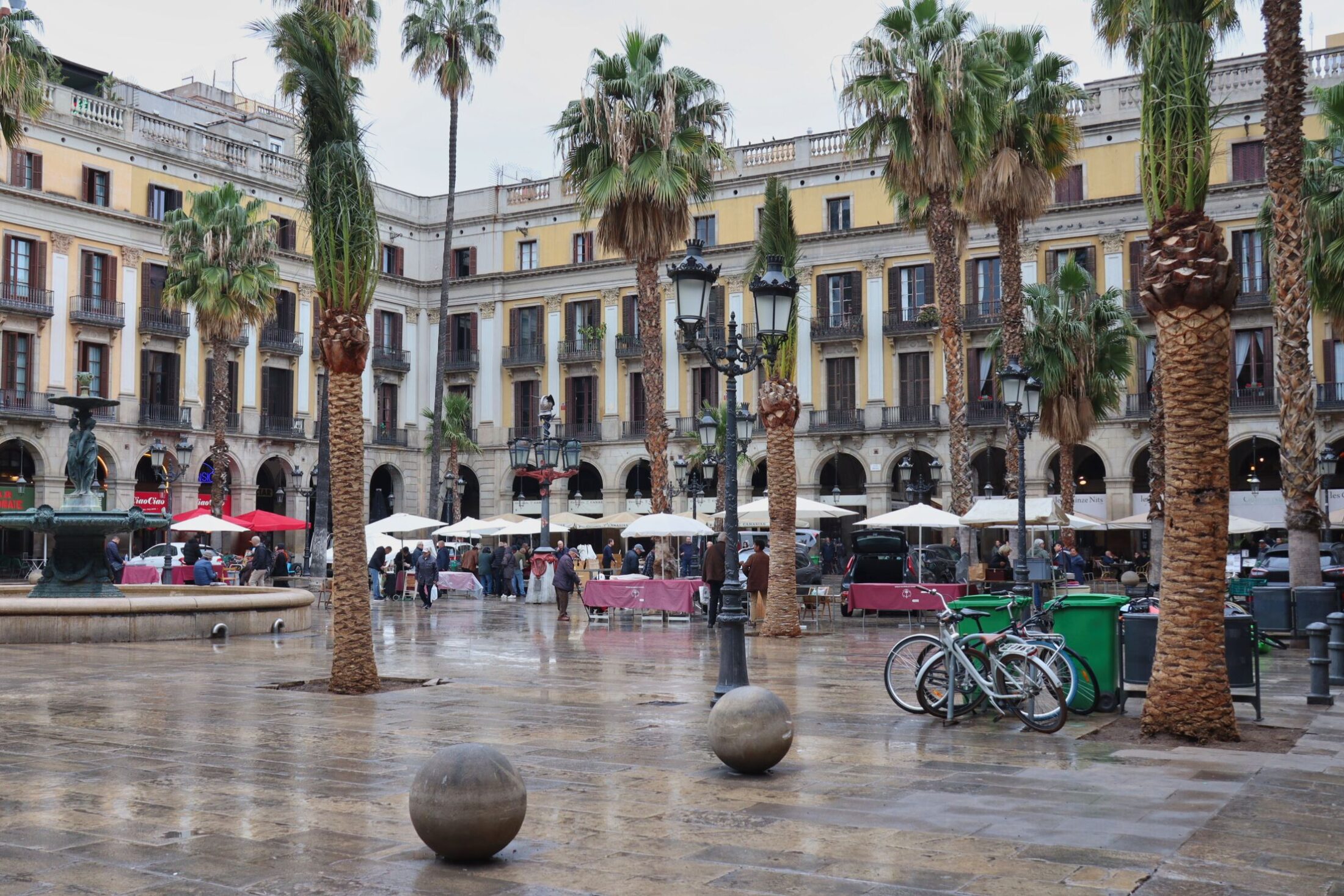
In Barcelona, take time to wander through as many of the little streets as you can—every turn reveals something new, from hidden gems to unexpected architectural treasures.
Conclusion
After immersing yourself in Barcelona’s unique energy for 4 days, you’ve likely experienced a vibrant mix of history, culture, and stunning architecture.
From the awe-inspiring Sagrada Família and the artistic wonders of Park Güell to the lively atmosphere of La Rambla and the charm of the Gothic Quarter, the city has offered a perfect balance of sightseeing and relaxation.
Whether indulging in delicious tapas, exploring the beaches, or admiring Gaudí’s masterpieces, Barcelona’s distinct energy leaves a lasting impression.
As your trip ends, you take with you the rhythm of Catalan culture, the warmth of its people, and the flavours of its cuisine
Travelling Soon? Here’s What I Use to Plan My Trips!

Where to Eat in Barcelona:
Colom Restaurant.
Someone suggested we try the restaurant!!
We waited in line for over one hour to eat there. The service was good, and the food was ok.
The Restaurant rated 4.4 out of 5 (I would rate it 4)
Tapeo – Original dishes and an expansive wine menu in an intimate Gothic Quarter space.
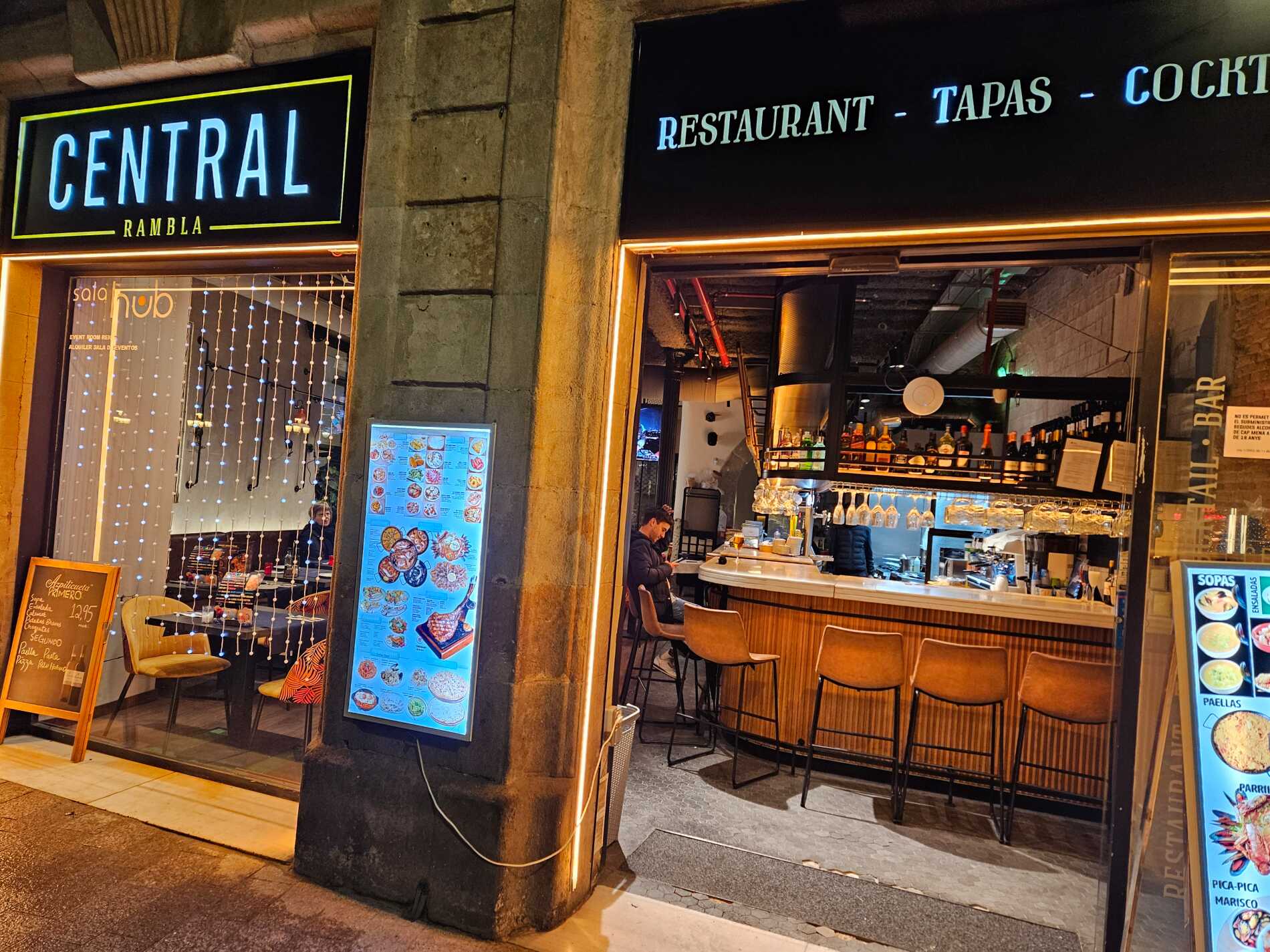
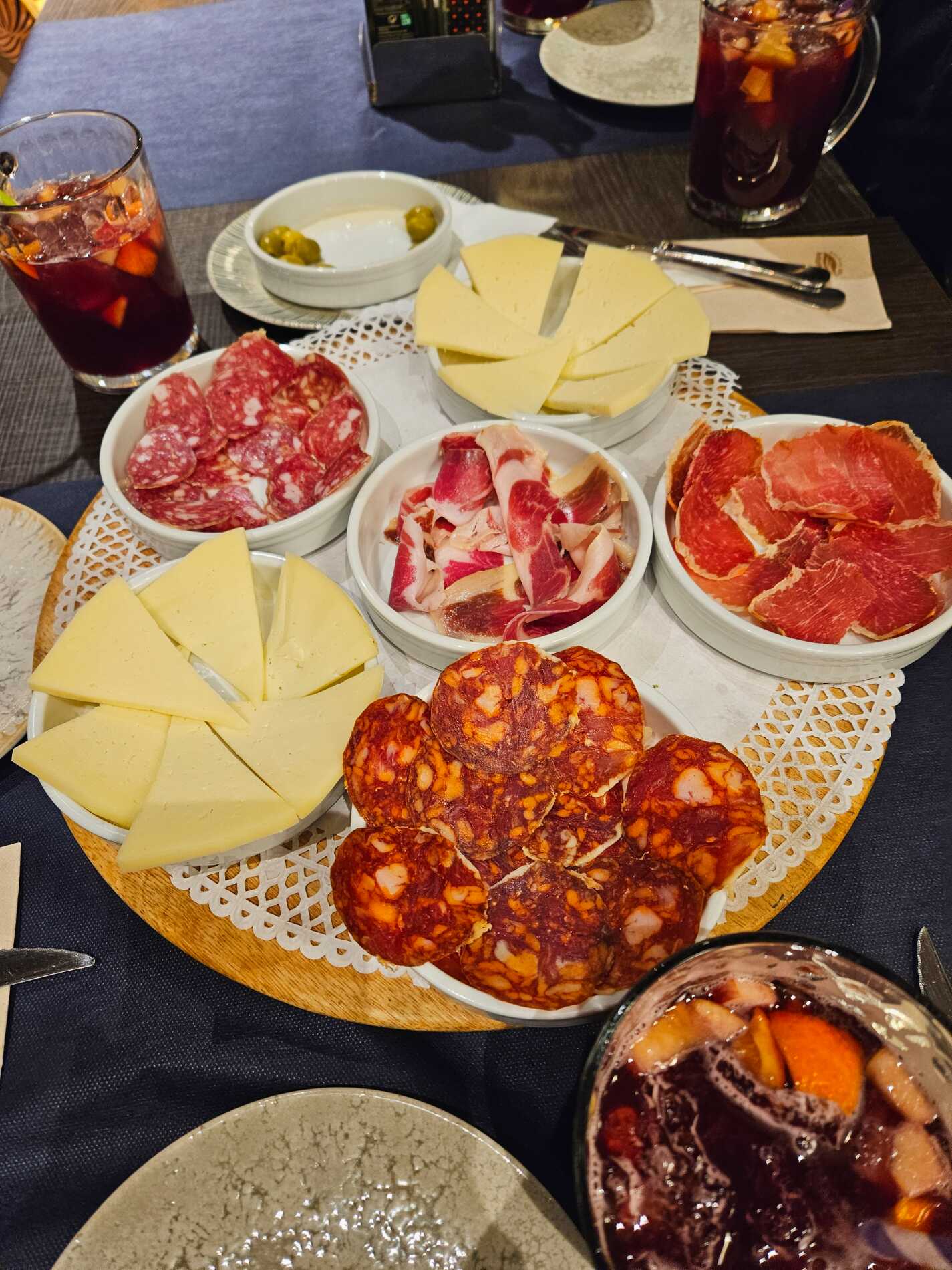
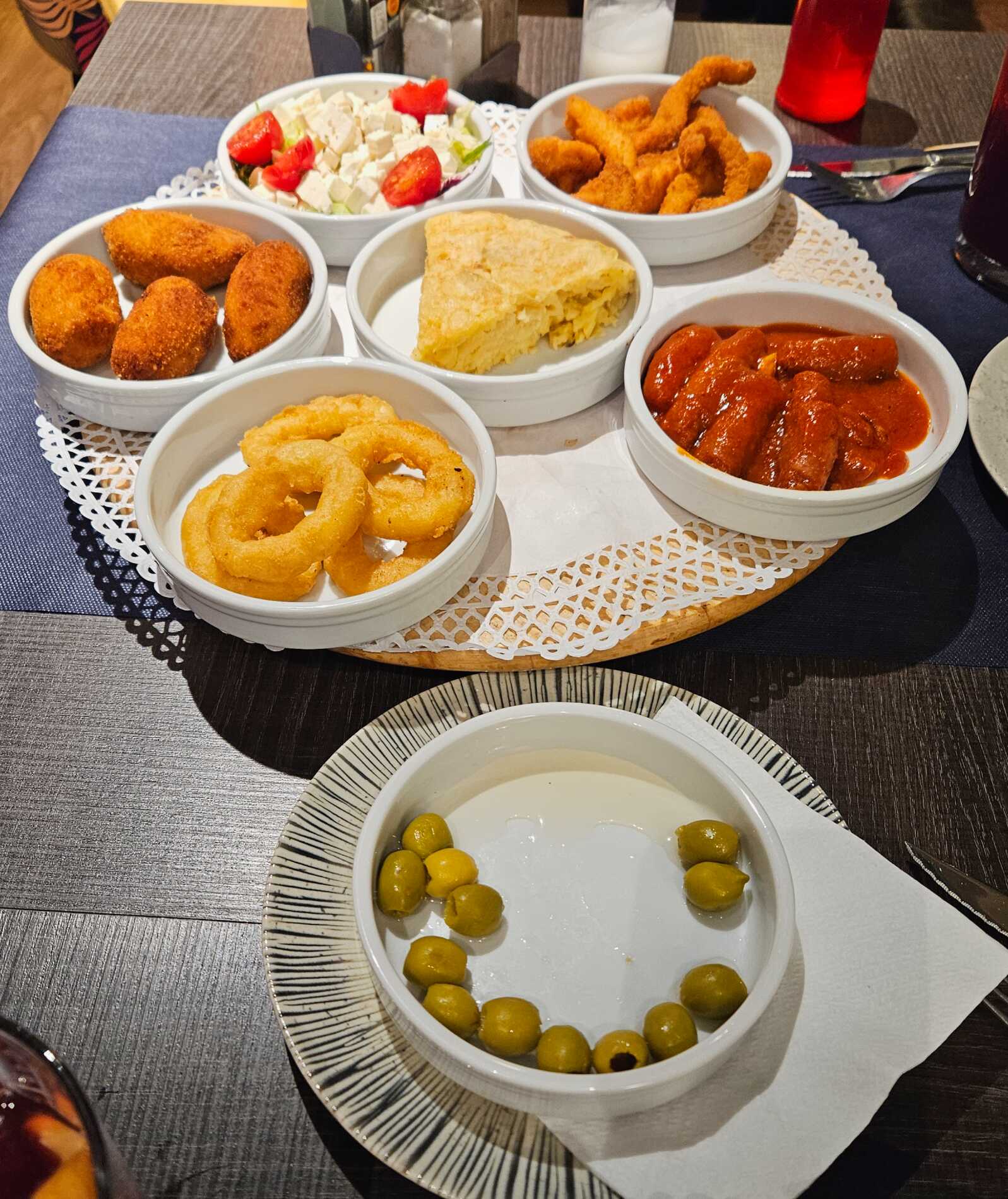
We mostly eat at Tapas restaurants…Too many to choose from. If you find a restaurant, take note of the street’s name; you might not be able to return.
Too many little streets!!
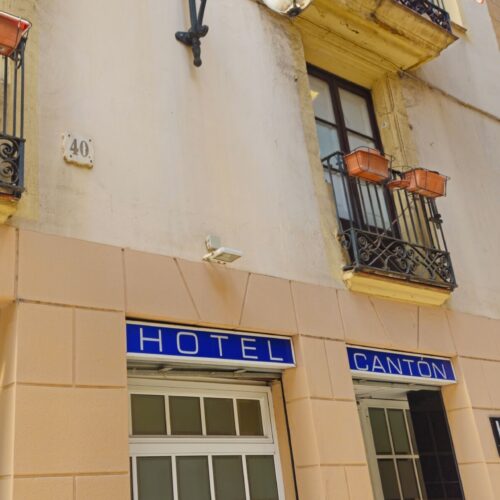
Our Hotel
Hotel Cantón is situated in central Barcelona, less than 300 metres from Las Ramblas and the city’s Old Port.
This is our favourite place to stay.
It offers 24-hour reception and rooms with satellite TV and free Wi-Fi access throughout. The room is clean and comfortable.
Personal Insight:
Both places serve great food, but they are pricey. Knowing the cost in advance can help you plan and enjoy your visit more.
Check the prices or ask before you order. This way, you’ll be prepared and won’t be caught off guard.
The restaurant on Rambla Street has excellent food, but it is expensive. Keep this in mind when you plan your visit.
Try exploring the small alleys nearby for more affordable tapas or other food options.
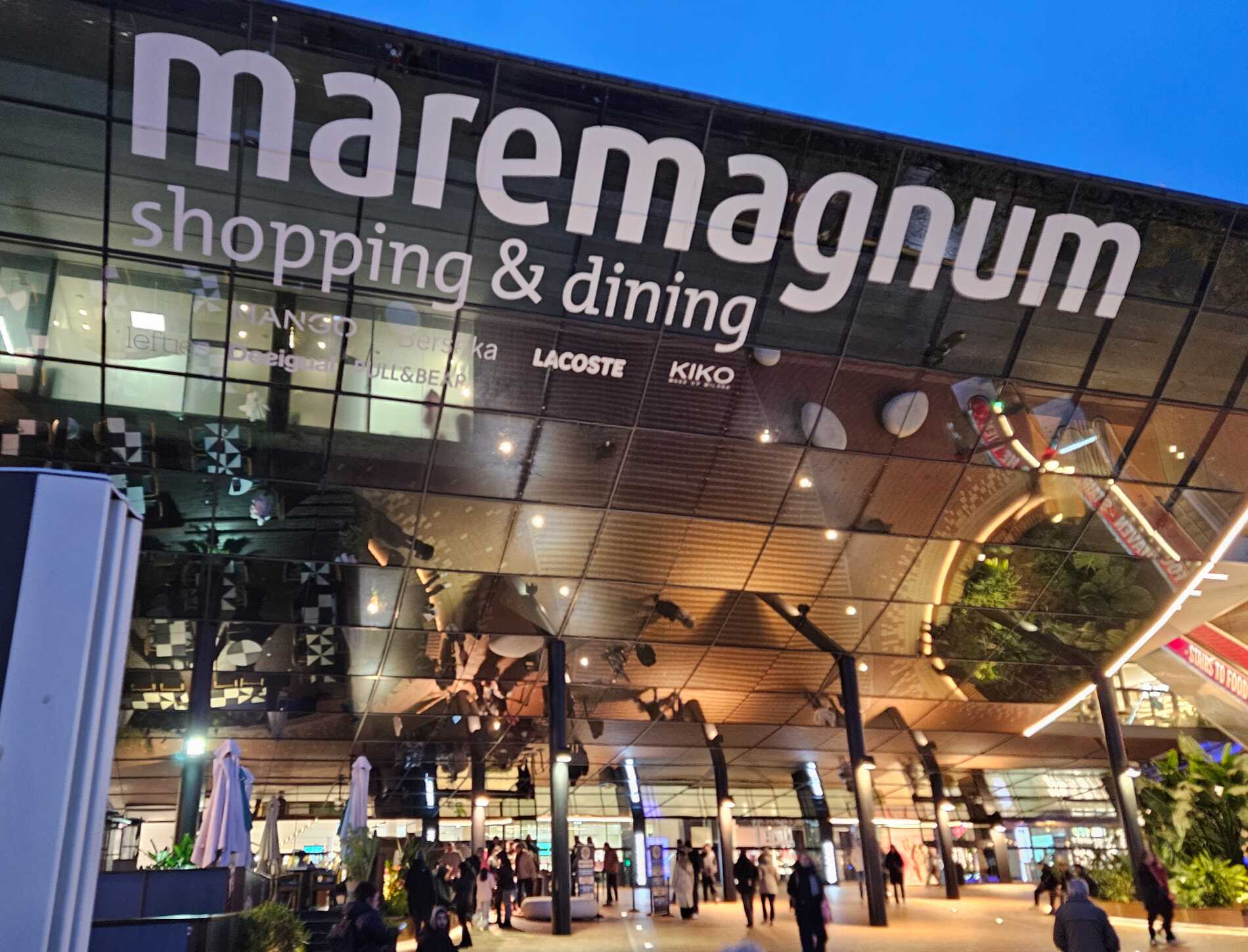
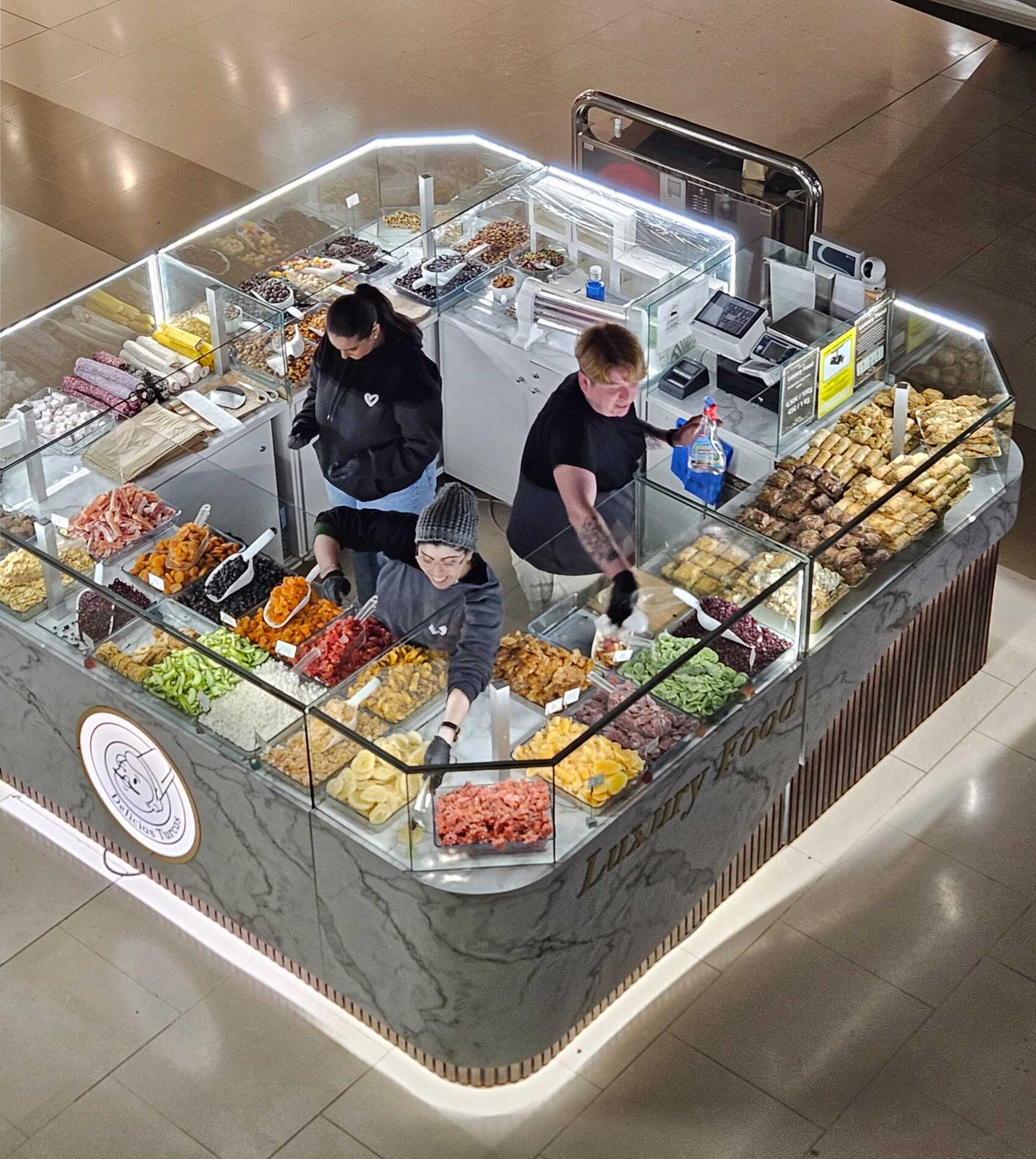
This small shopping mall by the water has delicious dried fruits, but the sellers tend to add extra items to your bill while chatting with you, making it quite expensive.
I recommend telling them exactly how much you want to buy or giving them a set amount in euros.