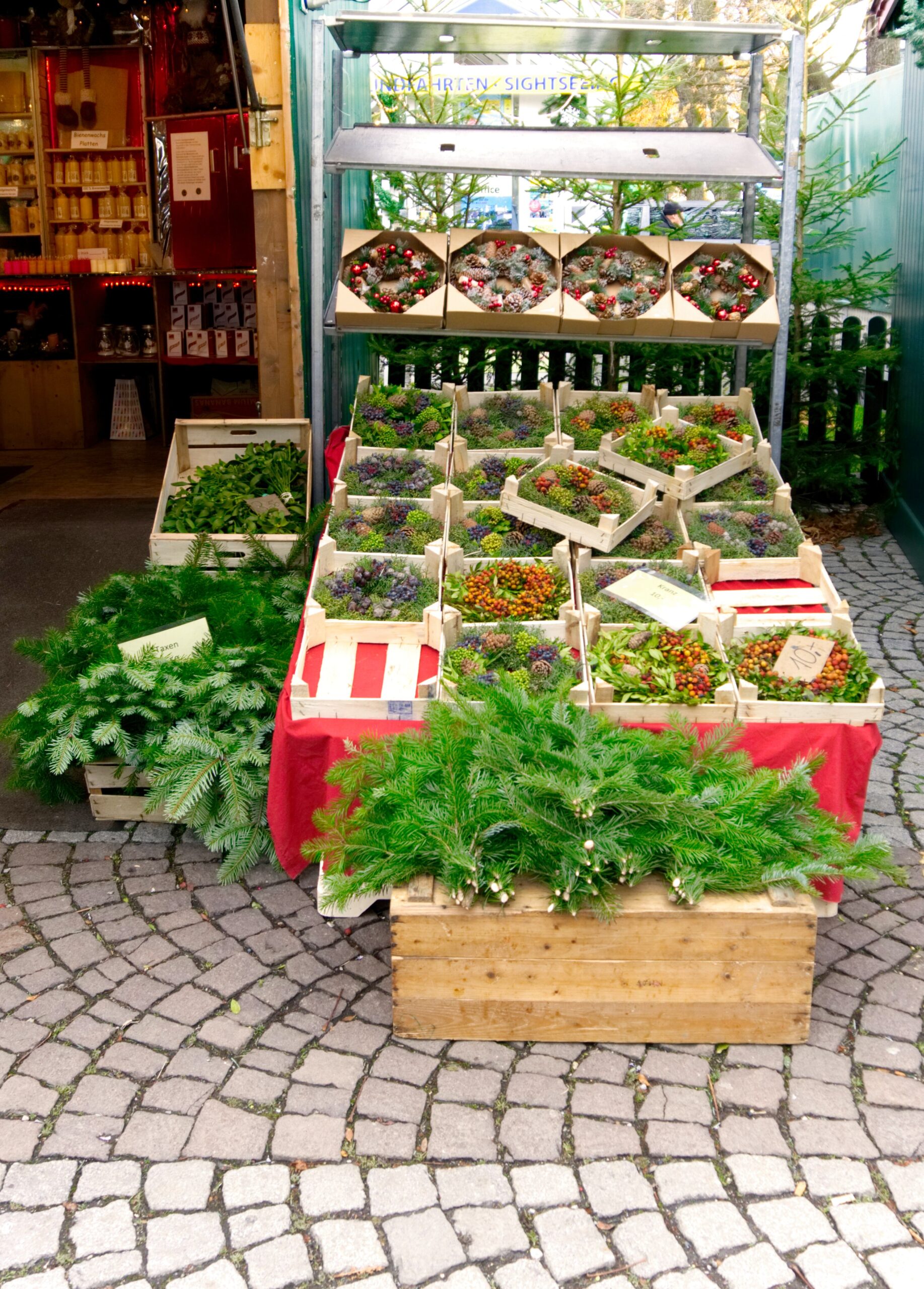
European Christmas Markets: What to expect

We are lucky enough to travel around Europe, visiting Christmas Markets….

Visiting the Christmas Markets is something you should do at least once in your life (we’ve done more than one, lol… I am addicted to them).


The European Christmas markets begin at the end of November and run until Christmas Eve, with some continuing into the New Year, such as on Boxing Day.

Most cities, towns, and villages have a Christmas market. Some are nicer than others, but they are fun to visit.


This guide features some of the top Christmas markets in Europe, providing a valuable resource to help you plan and build your upcoming vacation.

We explored some of Europe’s most renowned Christmas markets, from the iconic Strasbourg Christmas Market in France to the charming Vienna Christmas Market in Austria. Let me take you on a tour of what you will see, eat, and buy!

illustration with trees

What are Christmas Markets?

Before the Christmas markets, as we know them today, there were the December markets in Austria.

The open-air Christmas markets that we see today originated in Germany in 1384.


The first Christmas markets primarily sold meat but evolved to include other seasonal products, such as handmade gifts and treats, as well as festive singing and dancing. 


Christmas markets are also known as Christkindlmarkt.

Now it has both small and large markets with food, decorations, candies, and very festive places to visit.

What to expect at the Christmas Markets

I walk straight into a fairy tale Christmas. Visiting European Christmas markets is like stepping into a winter wonderland, where festive lights, charming traditions, and a unique atmosphere await.

1*Enchanting Decorations

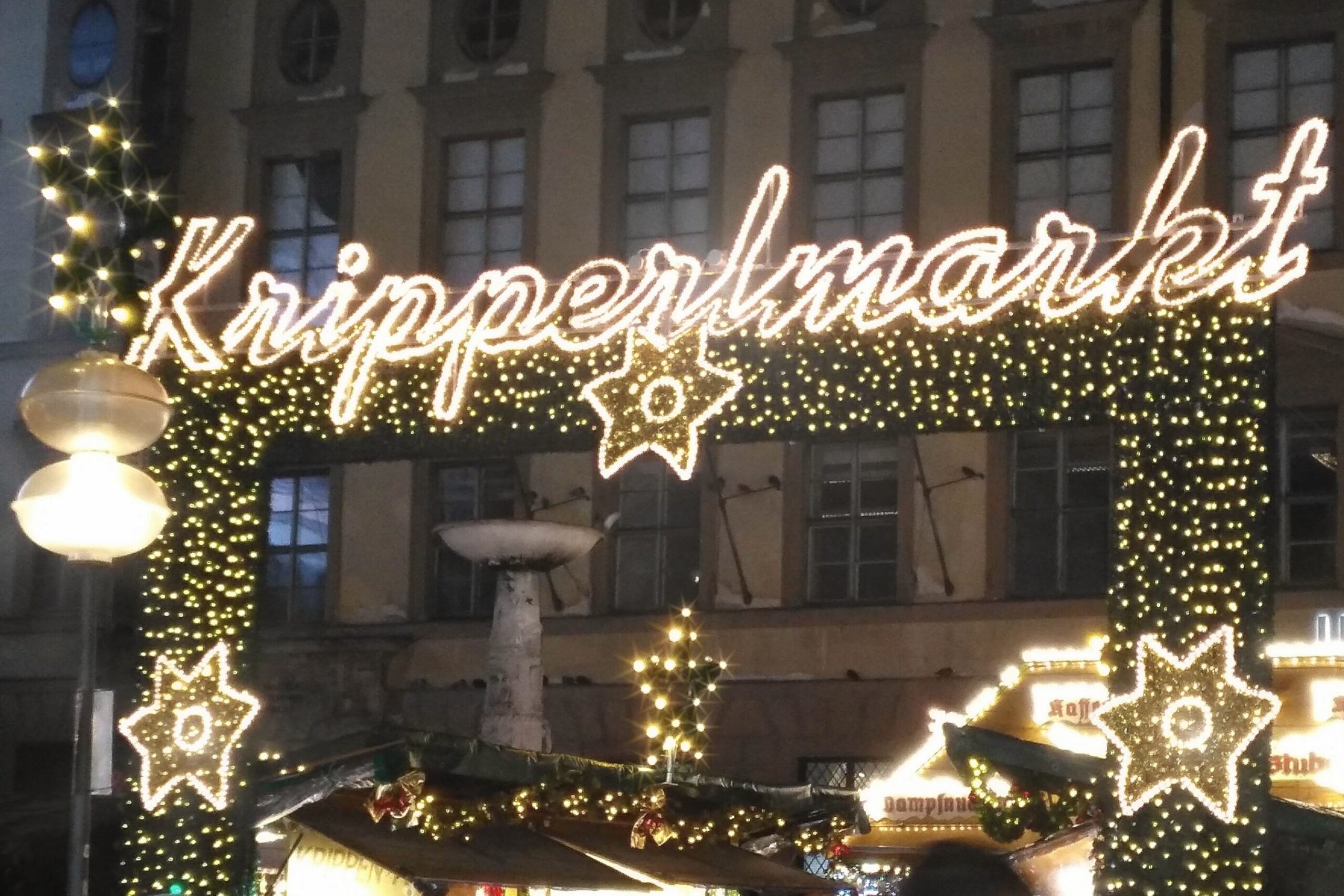
Twinkling Lights: Streets and stalls are sparkling lights.

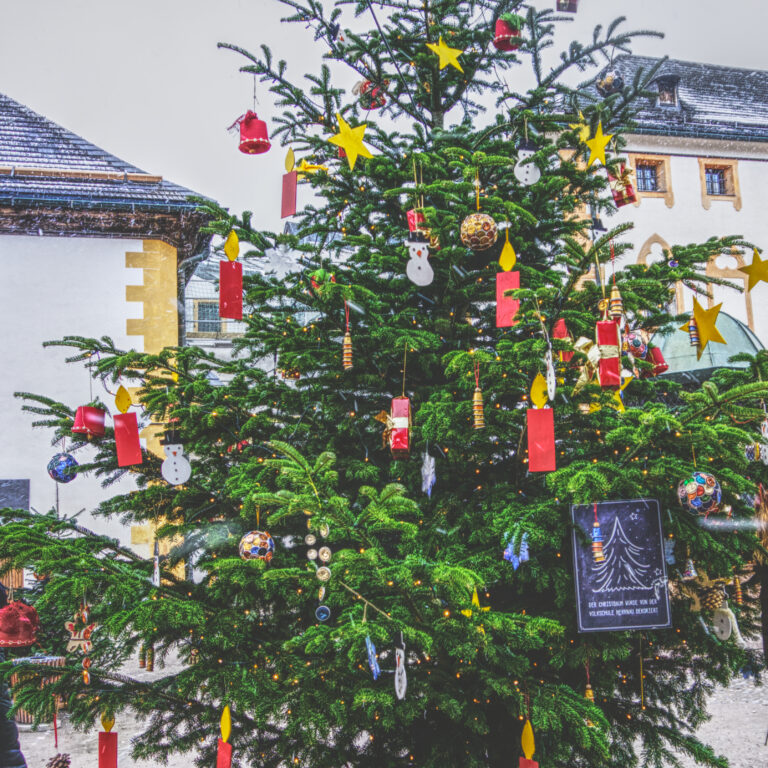
Christmas Trees: Beautifully decorated Christmas trees.
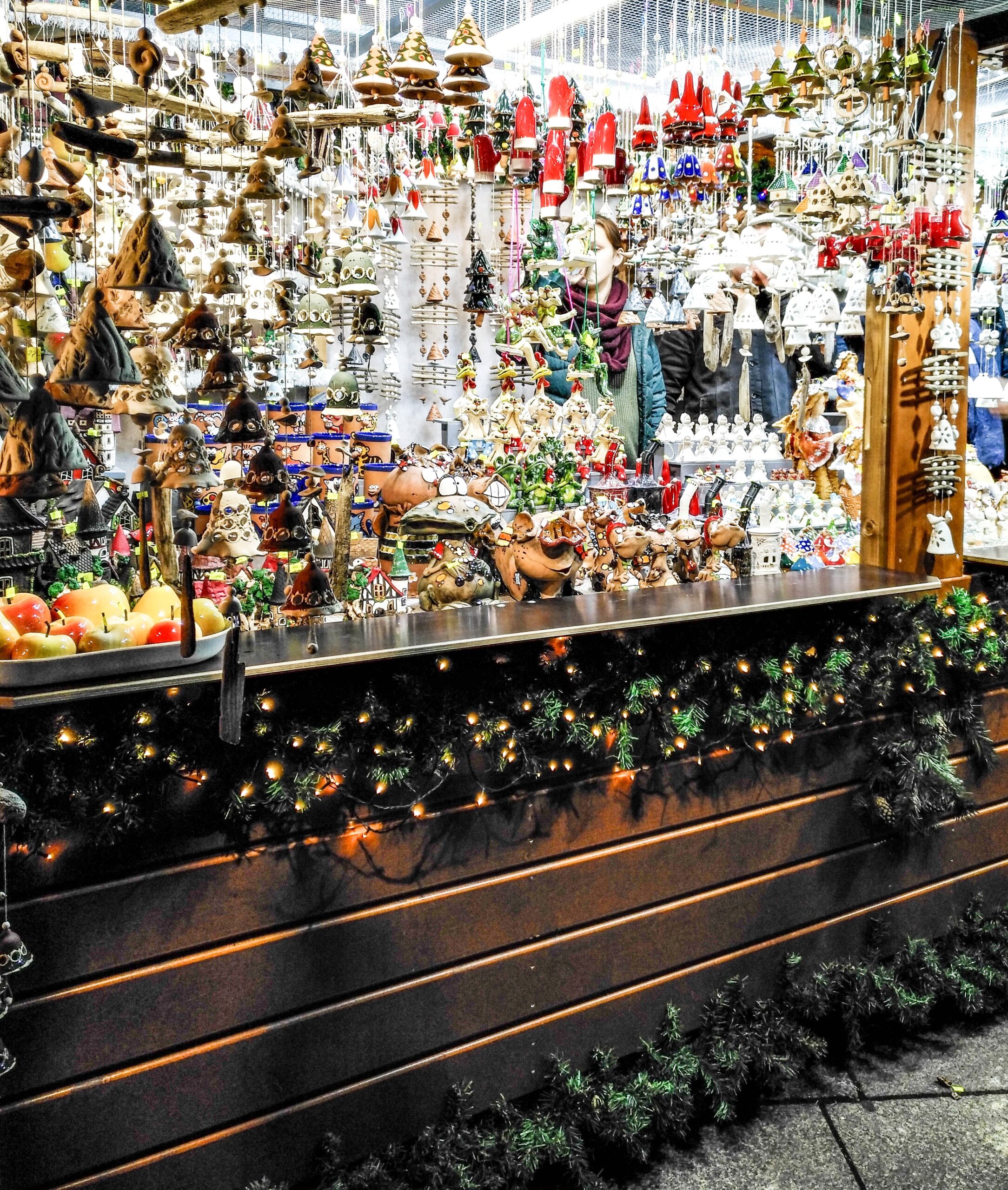
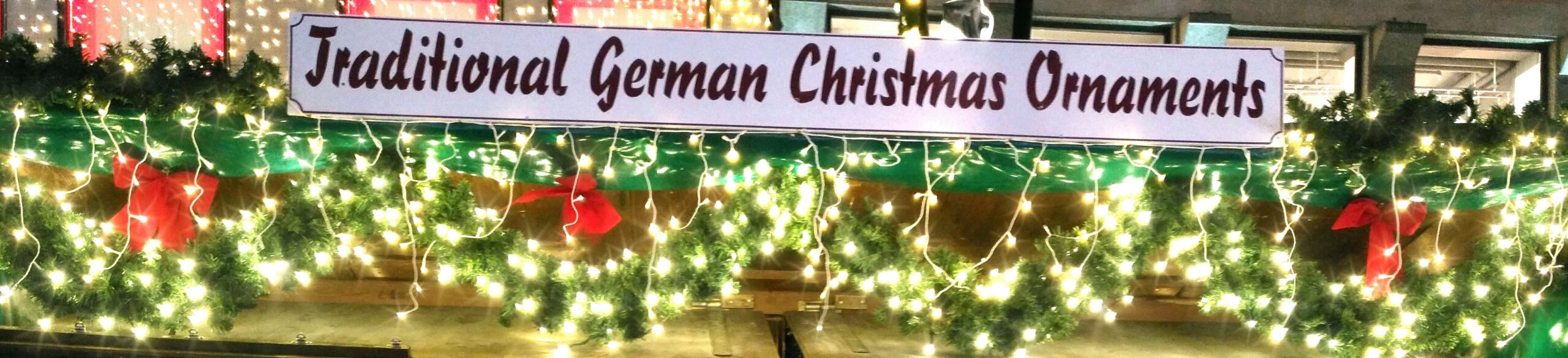
Traditional Decorations: Handcrafted ornaments.


2* Delicious Festive Food

Local Specialties: Regional delicacies like German sausages, French pastries, Austrian pretzels, or cakes.

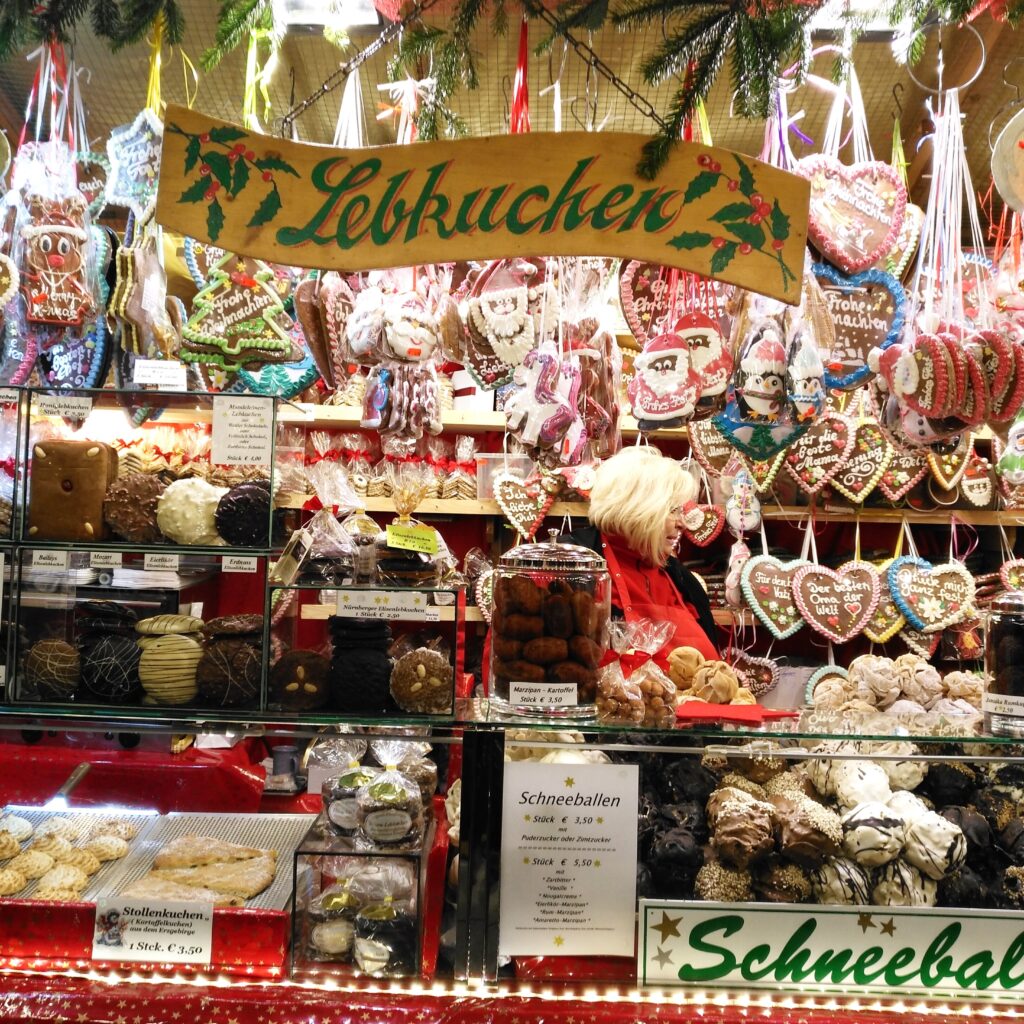
Sweet Treats: Gingerbread cookies, stollen, roasted chestnuts, and marzipan.

Hot Drinks: Mulled wine (Glühwein), hot chocolate, or spiced cider.


3*Unique Handcrafted Gifts:

Browse stalls selling unique, handcrafted gifts, leather bags, glass ornaments, wooden toys and knitwear.

Local Products: It features products unique to the region, such as Belgian chocolates, German nutcrackers, or French soaps.


4*Live Entertainment and Festivities

Music and Carols: Enjoy performances of traditional Christmas carols and classical music.

Ice Skating: Many larger markets have ice skating rinks.


5* Family-Friendly Activities

Children’s Rides: Markets often feature carousels, Ferris wheels, and other kid-friendly rides.

Santa Claus Visits: Children can meet Santa Claus.

Craft Workshops: Some markets offer workshops where kids (and adults) can create their decorations.


6*Cultural Experiences

Local Traditions: Each Christmas market has unique traditions, from the types of food to the style of decorations.

Historical Settings: Many Christmas markets are set in picturesque old towns or near historic landmarks, adding to their charm.


7*Crowds and Festive Atmosphere

Festive Buzz: The markets are more than just shopping. People come from all over the world to enjoy the atmosphere and the festive spirit that fills the air.

8. Evening Glow: The best time to visit is often in the evening, when the lights are beautiful and bright.
European Christmas Markets: what to expect

Tips for Visiting Christmas Markets:

**Dress Warmly: European winters can be chilly, so layer up to stay comfortable while exploring the markets.


**Timing: Most of Munich’s Christmas markets open in late November and run until Christmas Eve. They are generally open from late morning until evening, with extended hours on weekends.


**Weather: The end of November and December can be pretty cold, depending on where you are in Europe, so dress warmly and in layers. You will be out for most of the day.

Wear comfortable shoes for walking around the markets.

Remember, Europe is a whole of cobblestones, and when the markets are busy, it can be hard to look at your feet to see where you are going.


**Bring cash and your bag with you. Some vendors take cards, but many only accept cash.

While many vendors accept cards, having cash for small purchases is often more convenient. Stick to 10 or 20 euros in a small town; they might be light on change.

Please remember that most stalls do not have bags to hold your purchases, so I would like to bring your own bag to the market.


**Plan Ahead: Don’t let the crowds catch you off guard. Popular markets can get crowded, especially on weekends. Try during the weekdays; it will provide a more relaxed experience and make you feel more in control of your visit.


**Local Treats: Try local Christmas specialties, including mulled wine and roasted chestnuts. ** **

Usually, you will be charged when you purchase mulled wine or hot chocolate.

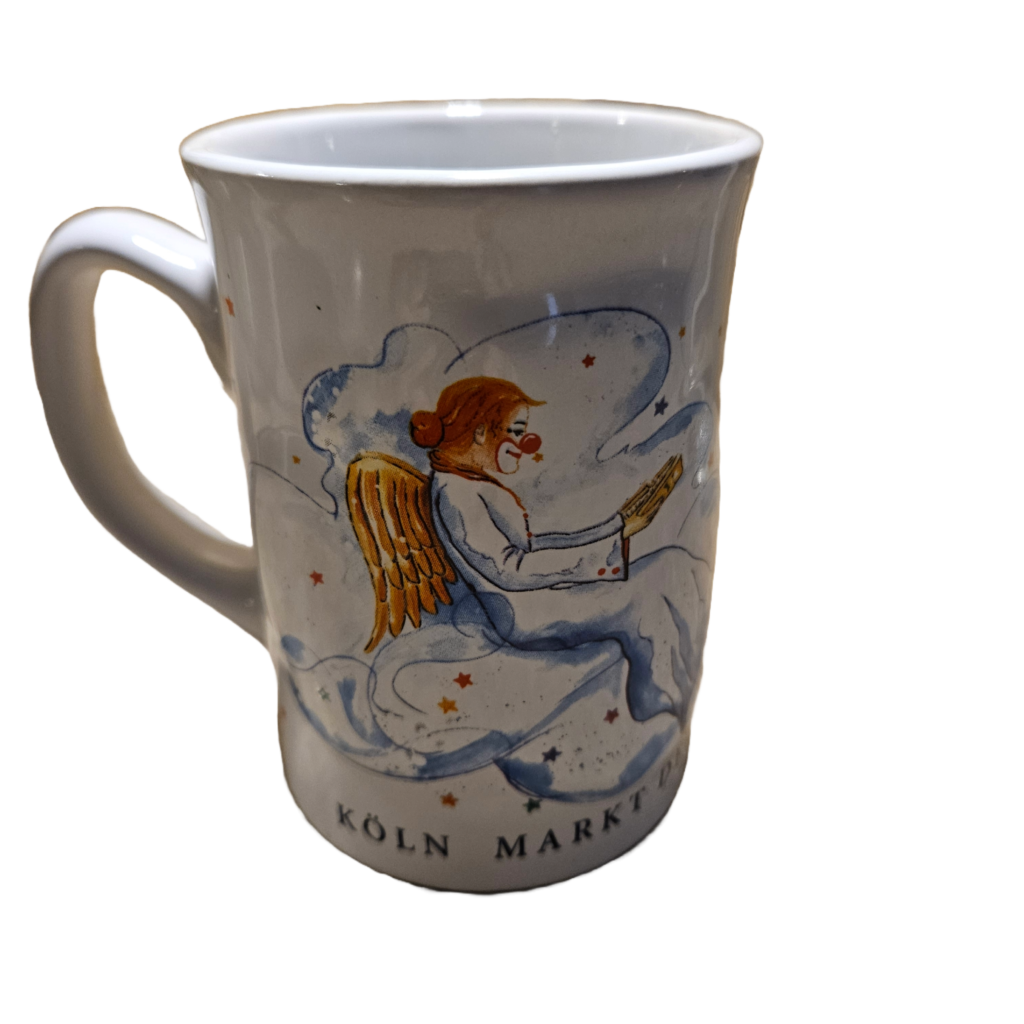
There is a deposit for your cup costing roughly 3€. You will receive a refund of 3€ when you return your items.

If you are like me and love the cups, you can keep them! But keep only some of them; you will need space in your suitcase for other souvenirs.


**Shopping: Look for unique, handmade gifts, such as ornaments, wooden toys, and locally crafted items. ** ** It’s not just about the purchase but also about the experience and the support you provide to local artisans.

Here are some of the most common drinks and foods I found at all the markets. These beverages are perfect for sipping as you stroll through the market with your nice cup.

Every place has a different specialty, and the food is festive and delicious. You can smell it when walking by.

Here are some of the most popular ones.

Drinks

**Mulled Wine (Glühwein)or Vin Chaud 

Imagine sipping a warm, spiced red wine, often flavoured with cinnamon, cloves, star anise, citrus, and sugar.

**Hot Chocolate (Heiße Schokolade)

Indulge in the richness of creamy hot chocolate topped with a generous dollop of whipped cream. This luxurious treat is often spiked with liqueurs like Baileys, rum, or peppermint schnapps. 

**Eggnog (Eierlikör)

A creamy, sweet beverage made with milk, cream, sugar, whipped egg whites, and egg yolks, typically spiked with rum, brandy, or bourbon. 

 **Hot Cider

 Warm apple cider is often spiced with cinnamon, cloves, and nutmeg and served with rum or brandy.

 **Grog

A hot beverage made by mixing rum or brandy with hot water, sugar, and sometimes lemon or spices. 

**Irish Coffee

 A hot coffee drink mixed with Irish whiskey, sugar, and topped with cream. 

European Christmas Markets: what to expect

Food

**Bratwurst

 A grilled sausage is typically made from pork, beef, or veal and served in a bun. It’s a staple at German Christmas markets and often enjoyed with mustard or sauerkraut.

 **Roasted Chestnuts (Maronen)

 Warm, roasted chestnuts are an everyday treat at Christmas markets. 

**Gingerbread (Lebkuchen)

 Traditional German gingerbread is often shaped into hearts and decorated with icing. It can be sweet, soft, chewy, or crunchy.

**Pretzels (Brezeln)

Giant, soft pretzels are typically sprinkled with coarse salt. They can be enjoyed plain, with mustard, or even with melted cheese.

**Raclette

 A Swiss dish in which melted cheese is scraped over bread, potatoes, or pickles. 

**Chimney Cake (Kürtőskalács)

A traditional Hungarian pastry is made by wrapping dough around a spit and baking it until it turns a golden colour. It’s rolled in sugar and often cinnamon, resulting in a crispy, sweet exterior.

**Crêpes

Thin, French-style pancakes are often filled with sweet ingredients, such as Nutella, jam, sugar, and lemon. 

**Roasted Almonds (Gebrannte Mandeln)

 Sugared and spiced almonds roasted until crunchy, often served in a paper cone. 

 **Potato Pancakes (Reibekuchen or Latkes)

Crispy, fried potato pancakes are often served with applesauce or sour cream. 

 **Stollen

A traditional German fruit bread, it is typically made with dried fruits, nuts, and marzipan, and is dusted with powdered sugar. 

 **Pierogi

 Polish dumplings are filled with various ingredients, such as potatoes, cheese, meat, or sauerkraut. They’re often served with sour cream and onions.

 **Waffles

Belgian-style waffles. They are often topped with whipped cream, chocolate sauce, or fresh fruit.

 **Schnitzel

 A breaded and fried meat cutlet, typically pork or chicken. It’s a savoury option often served with bread or potato salad.

 **Glazed Apples

Whole apples coated in a shiny, sweet glaze, often red or caramel. 

**Fried Fish

 Fried fish is often served with tartar sauce or on a sandwich.

 **Apple Strudel

A Viennese pastry filled with spiced apples, raisins, and often nuts, rolled in thin layers of dough and baked until golden.

 **Christmas Cookies

 Step into the festive spirit with traditional holiday cookies, such as Vanillekipferl (vanilla crescents), Zimtsterne (cinnamon stars), and butter biscuits. 

**Grilled Meats

In addition to sausages, you’ll find a variety of grilled meats, including pork knuckles, steaks, and chicken skewers, often served with hearty accompaniments.

cup of hot wine-Stall with Goodies
European Christmas Markets: What to expect

"Visit these blog posts to explore what you’ll see and do at European Christmas markets."

Leave a Reply

Your email address will not be published. Required fields are marked *